


A Pocketful of Peril: How an Exotic Pet Fetish Fuels a Shadow Economy, Threatening Global Health and Regional Security
POLICY WIRE — Geneva, Switzerland — Nobody really thinks about the hidden ledger. Not when they see that photo—that irresistibly cute, big-eyed infant primate clutching a finger. They don’t...

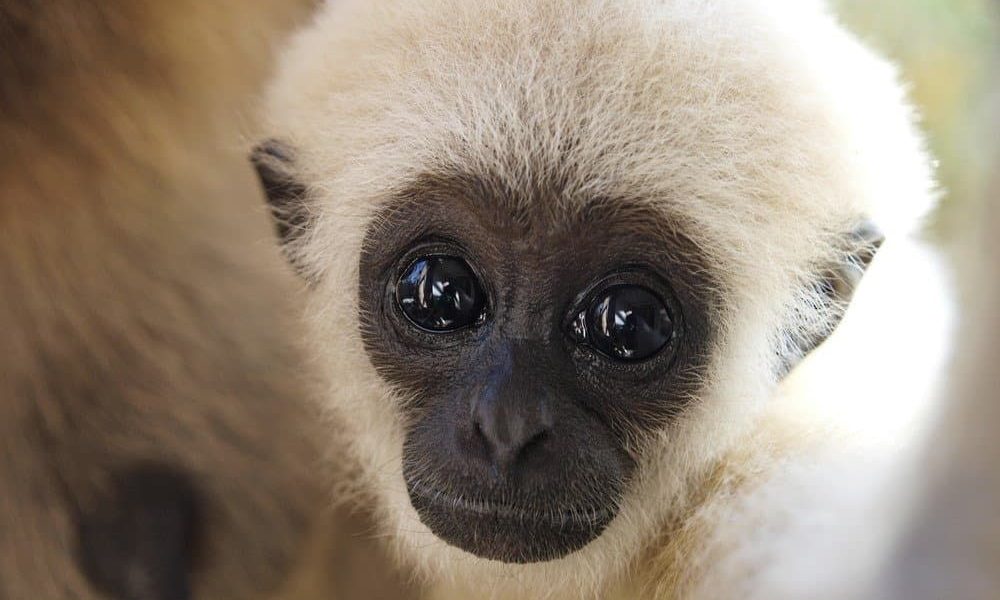
POLICY WIRE — Geneva, Switzerland — Nobody really thinks about the hidden ledger. Not when they see that photo—that irresistibly cute, big-eyed infant primate clutching a finger. They don’t picture the machetes. Or the blood. Or the long, silent boat trips across murky borders. Because, let’s be real, the fantasy’s always better than the brutal, grimy reality. Yet, this innocent-looking creature—say, a baby gibbon—doesn’t just appear from thin air, does it?
It’s ripped from its mother, often after the entire family group is butchered. A forest silence follows that screams. This isn’t just some feel-good story gone sideways; it’s a cold, hard policy headache with teeth. And it rips through borders, public health systems, — and national security like a runaway freight train. You think it’s just about an animal? Honey, it’s never just about an animal.
This particular branch of the illicit wildlife trade, often dismissed as mere poaching, actually underpins a sprawling global network of organized crime. We’re talking kingpins, not just grubby poachers. Dr. Anaya Sharma, a lead analyst for INTERPOL’s Environmental Crime Programme, put it bluntly: “People imagine isolated incidents. They don’t grasp that every exotic animal bought from an unregulated source likely has blood on its paws—human and otherwise. This trade directly funds weapons trafficking, drug cartels, even terrorist cells. It’s a low-risk, high-reward game for them.” Her voice, often heard in hushed conference rooms in The Hague, carries a weary familiarity with the depths of human avarice.
Because these animals? They’re carriers. We’re in a post-pandemic world, for heaven’s sake. Do we really need to spell out the zoonotic disease risk? Avian flu, SARS, monkeypox—they all hopped from animals to us. A wild gibbon, plucked from a jungle in Southeast Asia, smuggled through Karachi, then maybe onto Doha or Dubai, could be an unsuspecting biological time bomb. One sick animal, a bite, a scratch, and you’ve got a fresh crisis on your hands—one that transcends national boundaries, one that national health services, already stretched thin, truly don’t need to tackle.
And consider the routes. This isn’t some backwater, fly-by-night operation. Wildlife trade routes are sophisticated, often piggybacking on established human smuggling — and drug networks. South Asia, particularly Pakistan, frequently acts as a transit hub, its porous borders and complex societal structures providing ample cover. Insurgent groups, local mafias, even corrupt officials—they all skim from the profits. “Our efforts to stem this tide are like bailing out a boat with a thimble,” lamented Mansoor Ahmed, Pakistan’s Director General for Wildlife Protection and Conservation, during a recent regional summit. “The incentives for traffickers are too great, and the repercussions, for now, too negligible for the real movers and shakers.” He’s not wrong.
Globally, wildlife crime is estimated to be worth up to $23 billion annually, ranking it among the largest illicit trades alongside drugs and arms, according to the United Nations Office on Drugs and Crime (UNODC). That’s a staggering figure. It shows just how entrenched, how organized, these networks really are.
This trade doesn’t just stop at illegal acquisition — and sale. It leaves a long shadow of habitat destruction — and species loss. Think about it: entire ecosystems thrown off balance for someone’s fleeting fascination with a peculiar pet. This ecological unraveling then compounds other regional issues. For nations already grappling with environmental degradation and climate change, this added pressure—the loss of apex predators, seed dispersers—accelerates resource scarcity, exacerbating poverty and migration patterns. Islamabad’s ‘inside rush’ to address myriad domestic challenges already strains its governmental capacity; managing yet another external threat funneling through its territory is the last thing it needs.
What This Means
The allure of the exotic, that seemingly harmless craving for something unusual in the living room, has far-reaching consequences that challenge fundamental principles of global security and public well-being. Economically, this isn’t just about lost customs duties; it’s about diverting legitimate economic activity, fostering corruption, and making governance harder. Governments worldwide, particularly in developing nations like those in Southeast Asia and parts of the Muslim world, are forced to commit scarce resources to counter an elusive enemy, pulling funds from essential social programs. Politically, the involvement of criminal syndicates and sometimes state actors in the illicit trade can destabilize fragile regions, create tension between nations, and undermine international cooperation efforts. It’s not just a cute animal story gone bad; it’s an insidious network, often unseen, always at work. And it’s silently reshaping the world.