

New Mexico Braces for Inferno: Familiar Winds Stir Economic Anxiety
POLICY WIRE — Santa Fe, United States — It isn’t just the smell of pine and juniper that lingers in the New Mexico air as spring gives way to summer. Lately, it’s something more acrid,...

POLICY WIRE — Santa Fe, United States — It isn’t just the smell of pine and juniper that lingers in the New Mexico air as spring gives way to summer. Lately, it’s something more acrid, something a lot more concerning. A quiet dread, you could call it—a pervasive unease tied to the rhythmic sigh of the wind and the relentless baking of the sun. Folks here know the drill; they’ve lived it too many times. That low rumble of a chopper in the distance, the pall of smoke on the horizon, the emergency alerts blaring on the phone. It’s a cyclical, destructive dance that state officials—and the exasperated residents themselves—are preparing for once more.
And so it comes, this annual reacquaintance with atmospheric malevolence. By Sunday, much of New Mexico was already under fresh warnings, essentially a declaration from the cosmos that nature’s ready for a showdown. It’s an inconvenient truth, you know, when the weather turns from a benign backdrop to an existential threat. This isn’t just about pretty sunsets anymore, not for those watching their ranchlands or mountain homes. No, it’s about livelihood, infrastructure, and a constant, low-level anxiety that permeates communities across this arid landscape. State agencies are already in overdrive, scrambling assets, preparing lines, knowing full well what’s coming down the pike. [QUOTE_PLACEHOLDER]
It’s what the National Interagency Fire Center (NIFC) reported in a stark briefing last year: the average annual acreage burned by wildfires in the U.S. has increased significantly over the past decades, with over 7.5 million acres incinerated annually between 2010-2020. That’s a staggering figure, painting a picture of relentless devastation that isn’t just hitting forested states, but semi-arid regions like New Mexico particularly hard. We’re not talking about isolated incidents anymore; this is a full-blown systemic challenge that stretches resources thin and strains federal coffers.
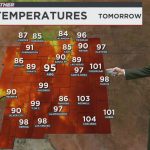
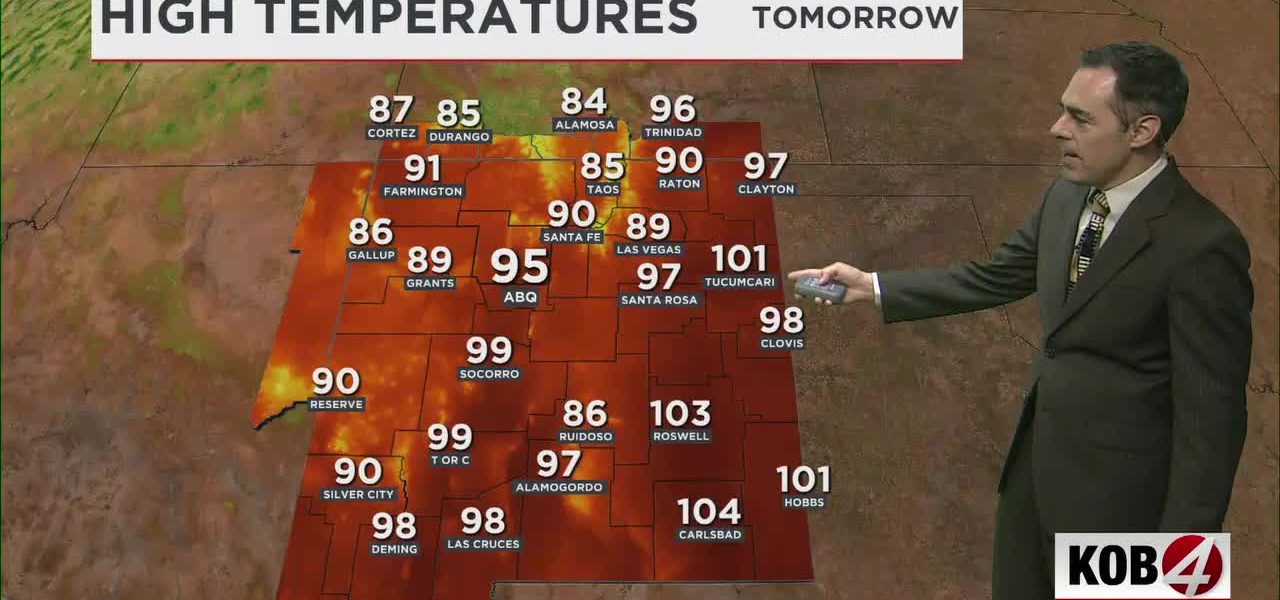
But the numbers only tell part of the story. You talk to ranchers here, they’ll tell you about generations of their families working this land. They’ve seen droughts, yes, but nothing quite like this accelerating, intensified cycle. The prognostication for the immediate future? Not exactly rosy. Dry weather will persist through the night, temperatures hovering comfortably in the 60s for a brief reprieve. Yet, by Sunday, it’s back to business as usual: sun, wind, — and heat. The kind of conditions where one spark—just one, mind you—can escalate into something truly monstrous in the blink of an eye. The sort of circumstances where even small controlled burns become hair-raising gambles.
Meteorologists warn that winds may gust from 35 to 45 mph in the afternoon, potentially causing any nascent fires to spread with shocking speed. Think about that: a 45 mph gust can turn a controllable brush fire into an inferno chewing through hundreds, even thousands, of acres within hours. Emergency responders—the unsung heroes often underpaid and overworked—will be on high alert. Come Monday, most areas won’t see much relief; it’ll still be sunny — and hot. Winds might dial down a touch, sure, but northeast parts, including spots near Las Vegas, aren’t getting off easy. They’ll remain breezy — and hot, with fire weather watches holding court from noon until seven in the evening. Winds could still clock in at 35 to 45 mph. You can practically hear the collective sigh of resignation from incident command centers across the state.
📄 POLICY WIRE WHITEPAPER PUBLISHED: PAKISTAN'S NATIONAL SECURITY POLICY PRIORITIES
👉 READ BY CLICKING HEREIt’s this relentless atmospheric pressure that creates what meteorologists euphemistically call an enhanced risk—a polite term for disaster-in-waiting. These weren’t always common conditions, not to this severity, not with this regularity. It’s a direct symptom, many scientists would argue, of broader climate shifts that don’t respect state lines or national borders. It’s an issue that should—you’d think—galvanize more robust federal policy and greater investment in prevention, adaptation, and perhaps even some seriously tough questions about urban-wildland interface development. But often, it’s just reactive, always playing catch-up.
What This Means
This recurrent pattern isn’t just a weather story; it’s an economic wrench — and a serious policy headache. Wildfires aren’t merely environmental catastrophes; they’re budgetary black holes. Millions, sometimes billions, of state and federal dollars are siphoned off for suppression efforts, rehabilitation, and long-term recovery—money that isn’t going into schools, infrastructure repair, or healthcare. This resource drain impacts everything. It’s not sustainable. Federal agencies like the Forest Service and Bureau of Land Management find their budgets stretched thinner every year, increasingly diverted from land management to fire suppression. This leads to less proactive thinning, less controlled burning—ironically creating even more fuel for future fires.
But beyond the ledger, there’s the profound social dislocation. Homes lost, livelihoods destroyed, health impacts from persistent smoke pollution—it’s a multi-faceted crisis. Small, rural communities dependent on tourism or agriculture bear the brunt of it. This isn’t just a New Mexico problem; it’s a global blueprint. Look at what happens across other arid or semi-arid regions—Pakistan, for instance. Just last year, sections of Balochistan and Sindh provinces endured their own prolonged, devastating wildfires, exacerbated by record heatwaves and a lack of resources to effectively combat them. Entire forests, wildlife, — and even human settlements were obliterated. The underlying conditions—rising temperatures, shifting rainfall patterns, persistent drought, high winds—they’ve got an uncomfortable echo to what’s happening right here in the American Southwest. Their ability to respond, much like some of our smaller, less resourced states, gets crippled by the sheer scale of the events. It’s a stark reminder that climate vulnerabilities, whether in South Asia or the Southwestern U.S., often hinge on similar variables, and that policy inertia, no matter where it’s found, exacts a heavy toll. We’re all in the same boat, though some boats are much smaller, — and their paddlers far less prepared. It’s time our policies reflected that hard reality, rather than merely reacting to the latest blaze.