
New Mexico’s Arid Reckoning: Winds Fan Fresh Fears, Old Policy Debates
POLICY WIRE — Santa Fe, New Mexico — It’s an annual spectacle of dread, as predictable as spring itself. Across New Mexico’s sun-scorched mesas and parched Ponderosa forests, the wind...

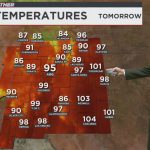
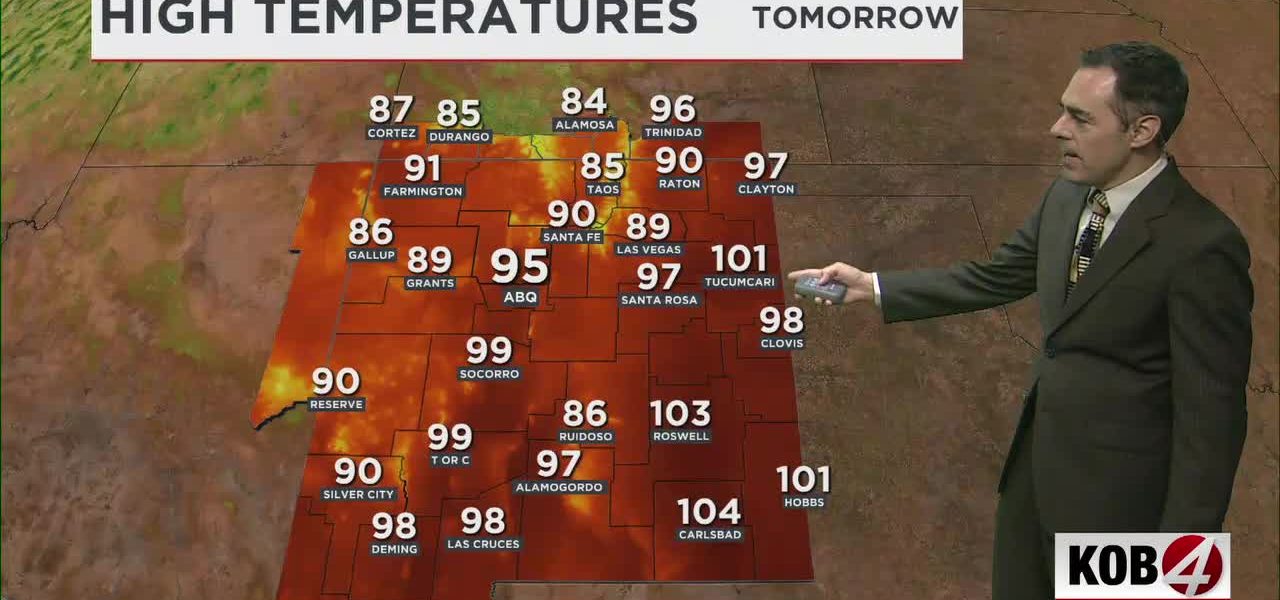
POLICY WIRE — Santa Fe, New Mexico — It’s an annual spectacle of dread, as predictable as spring itself. Across New Mexico’s sun-scorched mesas and parched Ponderosa forests, the wind isn’t just a weather phenomenon; it’s a harbinger. For days now, forecasters—bless their meticulous, grim souls—have painted maps in angry red, warning that Sunday and Monday would again usher in the unholy trinity: scorching temperatures, bone-dry brush, and gusts up to 45 mph. But nobody around here needs a meteorologist to tell them what’s coming. They feel it in their bones, a chilling deja vu.
This isn’t merely about inconveniently breezy afternoons. It’s a calculated risk, a deadly cocktail brewed by decades of warming temperatures and insufficient land management policies. The latest National Interagency Fire Center data, for instance, shows a chilling trend: the average fire season in the western U.S. has lengthened by 84 days since the 1970s. You read that right. Eighty-four additional days of nerves frayed, air quality choked, — and homes threatened. And with every acre that burns, more livelihoods — rural, agricultural, tourist-dependent — simply go up in smoke.
For Governor Michelle Lujan Grisham, it’s a perpetual high-wire act. “We’ve invested record amounts in wildfire preparedness and mitigation,” Governor Lujan Grisham stated in a press briefing last year, a sentiment she’d surely echo today, even if unspoken. “But frankly, our federal partners simply aren’t keeping pace with the scale of this climate crisis. We can’t do it alone.” Her administration, like those before it, scrambles each season to secure federal aid, dispatch resources, and — critically — try to project an image of calm competence while the landscape around them seems intent on igniting.
And then there’s the long game, or rather, the lack of one. U.S. Forest Service Deputy Chief J. Michael Kelly, whose agency bears the brunt of federal land management, often speaks of an overwhelmed system. “The current pace and scale of catastrophic wildfires demands a sustained, year-round operational capacity that our existing budgets and workforce structures often can’t accommodate,” Kelly explained in a congressional testimony last fall. “It’s a resource treadmill, and sometimes, you just can’t run fast enough.” It’s a polite way of saying they’re perpetually playing catch-up.
The state’s collective memory is long, stained by fires like the massive Calf Canyon/Hermits Peak blaze just a few years back, still the largest in New Mexico history, incinerating over 340,000 acres. These aren’t just statistics; they’re communities traumatized, economies shattered, ecosystems fundamentally altered. Every gust of wind now carries not just dust, but the faint scent of that devastation, a phantom limb ache in the soul of the state.
📄 POLICY WIRE WHITEPAPER PUBLISHED: PAKISTAN'S NATIONAL SECURITY POLICY PRIORITIES
👉 READ BY CLICKING HEREBut the irony isn’t lost on observers here: the same global climate shifts pummeling New Mexico—intensified droughts, extreme heat, unseasonal wind patterns—are mirroring, in sometimes more devastating ways, crises thousands of miles away. In Pakistan, for example, a nation with dramatically different terrain and economic realities, prolonged heatwaves have similarly fueled forest fires and strained national resources, displacing populations and deepening humanitarian concerns. Their plight, like New Mexico’s, highlights a stark truth: climate change knows no borders, and its wrath often lands heaviest on those with the fewest systemic buffers.
What This Means
The immediate implication of these red flag warnings, of course, is danger. Evacuations could unfold rapidly. Air quality will likely plummet, impacting public health—especially for vulnerable populations. For a state heavily reliant on outdoor recreation and tourism, a major fire event just as peak season approaches isn’t just an inconvenience; it’s an economic gut punch that ripples through every small town’s diner and craft shop. Insurers, always paying attention, are likely to continue escalating premiums, or simply withdraw from particularly vulnerable zones, making homeownership a precarious proposition.
Politically, the constant cycle of fire threats pushes wildfire management to the top of the agenda, albeit often in reactive rather than proactive ways. It’s not just about firefighting capacity; it’s about legislative bandwidth. Because lawmakers are constantly dealing with crisis, they find less time, or political will, for the long-term, expensive solutions—like widespread prescribed burns, community hardening, and sustainable water management—that might actually break the cycle. Federal agencies, always stretched thin, continue to be hammered for resource shortfalls, yet budget allocations rarely catch up to the burgeoning crisis. This perpetual state of emergency entrenches a reactive governance model, where relief efforts trump fundamental policy reform, year after weary year. It’s a hard way to run a state, or a country, for that matter.