


New Mexico Braces for Fiery Crucible as High Winds Herald Annual Wildfire Predicament
POLICY WIRE — ALBUQUERQUE, N.M. — The calendar page, it’s become clear, isn’t just a marker of time; it’s a grim countdown for residents across New Mexico. Every spring, as the...

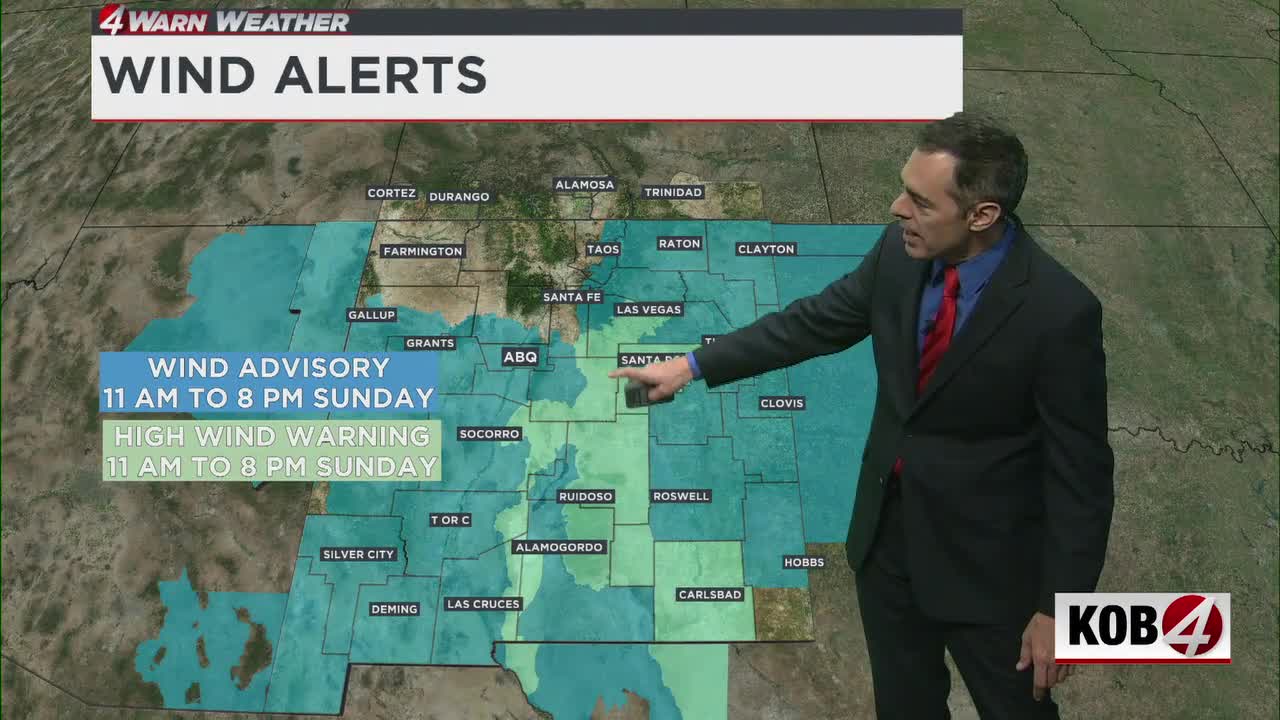
POLICY WIRE — ALBUQUERQUE, N.M. — The calendar page, it’s become clear, isn’t just a marker of time; it’s a grim countdown for residents across New Mexico. Every spring, as the desert wildflowers tentatively unfurl, a more menacing harbinger arrives: the relentless, desiccating wind. This Sunday, the state isn’t merely facing another blustery day; it’s entering a familiar, terrifying crucible, one forged by an increasingly parched landscape and atmospheric caprice.
At its core, the forecast for widespread red flag warnings, wind advisories, — and high wind warnings isn’t a surprise. It’s a perennial dread, a cyclical unfolding of meteorological inevitability that has become an annual liturgy of fire preparedness. Gusts, some expected to scream past 60-65 mph near the central mountains, promise to transform dry scrub and timber into a tinderbox, ready for the slightest spark. Much of eastern New Mexico, officials warn, finds itself in the ‘critical fire risk’ category – the highest tier, a stark declaration of impending danger.
But this isn’t just about Sunday’s wind. No, it’s a chapter in a much larger, more ominous saga. The American West has long contended with wildfires, but their ferocity, frequency, and scale have escalated dramatically. For instance, the U.S. Forest Service reported that the average annual number of acres burned by wildfires in the U.S. has more than doubled since the 1980s, now exceeding 7 million acres annually. And New Mexico, perched precariously on the edge of aridification, feels this shift with an almost visceral urgency.
“We’re not just fighting fires anymore; we’re wrestling with an altered climate that demands more of our firefighters, more of our budgets, and more of our collective will,” asserted New Mexico Governor Michelle Lujan Grisham, her voice tight with familiar resolve during a recent press briefing. “It’s a battle we can’t afford to lose, not when homes — and livelihoods are at stake.”
Indeed, the potential for havoc extends beyond the immediate inferno. Damaging winds, officials caution, could fell trees — and power lines, plunging communities into darkness. Travel, particularly for high-profile vehicles, will become a treacherous endeavor, a journey best postponed. And yet, this grim tableau unfolds against the backdrop of a larger, global narrative.
Still, while New Mexico confronts its own seasonal trial, the underlying themes resonate far beyond the Sangre de Cristo mountains. Arid regions worldwide — from the Sahel to the fringes of the Thar Desert in Pakistan — contend with similarly magnified environmental pressures. They’re battling the same spectral enemy: a changing climate that exacerbates natural phenomena into catastrophic events. Pakistan, a nation grappling with its own climate vulnerabilities, knows all too well the devastating human cost of extreme weather, whether it’s unprecedented floods or prolonged droughts that push populations to the brink. These aren’t isolated incidents; they’re interconnected threads in a frayed global tapestry.
“We’re seeing a relentless drumbeat of these events, and it’s imperative that we move beyond reactive measures to proactive resilience planning,” posited U.S. Secretary of the Interior Deb Haaland, whose department oversees vast tracts of federal land and indigenous territories. “It’s about safeguarding our landscapes, yes, but it’s fundamentally about securing the future for communities who call these threatened places home.”
A few tantalizing rain or mountain snow showers might grace areas near the Colorado border Saturday night and Sunday, a minor mercy in an otherwise grim outlook. Then, mercifully, winds are forecast to abate Monday through at least Wednesday, ushering in drier, warmer afternoons and partly cloudy skies. A temporary reprieve, perhaps, but certainly not a resolution.
What This Means
This annual fiery litany in New Mexico is more than just a weather report; it’s a stark indicator of profound political and economic implications. Politically, the escalating wildfire season strains state and federal resources, demanding ever-larger appropriations for fire suppression, emergency response, and long-term mitigation strategies. It forces difficult conversations about land management practices, conservation budgets, and — crucially — the need for robust climate change policy. Governors and federal agencies face public pressure to ‘do something,’ often funneling funds into immediate crisis management rather than preventative infrastructure or adaptive land use.
Economically, the impact is multi-faceted — and devastating. Direct costs include billions in fire suppression, property damage, — and lost timber resources. Indirect costs are often harder to quantify but no less significant: decreased tourism, particularly in areas renowned for their natural beauty; health impacts from prolonged smoke exposure; and disruptions to local economies dependent on agriculture or outdoor recreation. Insurance markets become volatile, and property values in vulnerable areas can plummet. the long-term ecological damage — soil erosion, water quality degradation, and habitat loss — carries a financial burden that can persist for decades, hindering recovery efforts. It’s a cyclical drain, exacerbating socio-economic disparities in already vulnerable rural communities. The dry journalistic tone, of course, almost glosses over the heartbreaking human stories behind these stark numbers.