


NBA’s Unraveling Dominance: Playoff Shocks Ripple Beyond the Hardwood
POLICY WIRE — New York, USA — The shimmering veneer of sporting invincibility, often meticulously crafted over an arduous regular season, has fractured. Not with a whimper, but with a series of...

POLICY WIRE — New York, USA — The shimmering veneer of sporting invincibility, often meticulously crafted over an arduous regular season, has fractured. Not with a whimper, but with a series of thunderous cracks echoing from North American basketball arenas that, surprisingly, resonate far beyond the parquet. It’s not merely about missed shots or blown assignments; it’s about the sudden, unnerving fragility of perceived power, a phenomenon that holds disquieting parallels in boardrooms and geopolitical theaters alike.
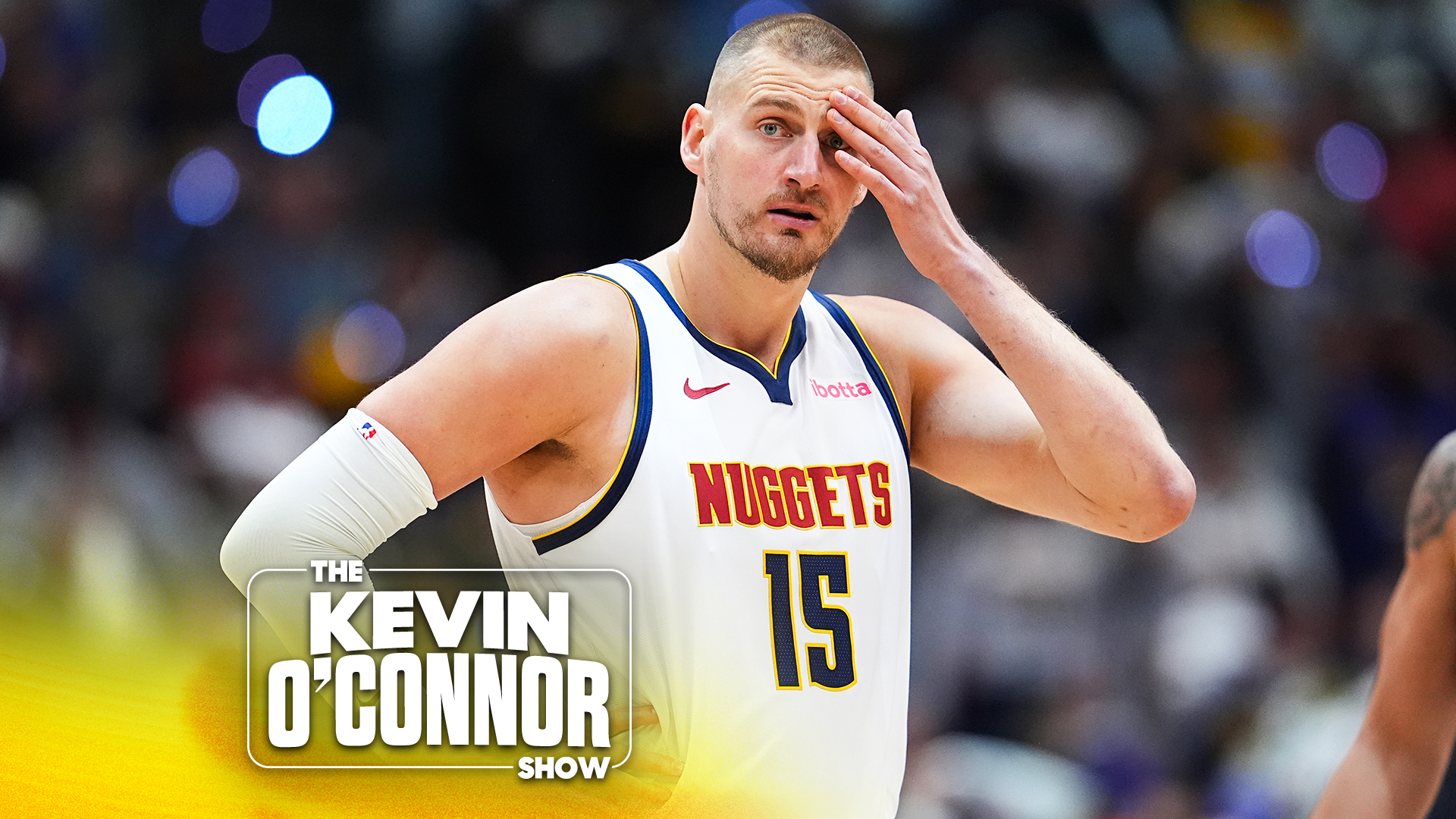
Behind the headlines of thrilling buzzer-beaters and fan euphoria lies a deeper narrative: the precipitous collapse of heavily favored franchises, casting a long shadow over their organizational stability and, indeed, the very economic bedrock of a multi-billion dollar enterprise. The Denver Nuggets, reigning champions and led by the seemingly indomitable Nikola Jokic, find themselves staring into a 3-1 chasm against the Minnesota Timberwolves. And frankly, it’s a rout, not a contest. This isn’t just an athletic setback; it’s a potential tremor for broadcast rights, merchandise sales, and the lucrative narratives spun around dynasty-building.
But the Nuggets aren’t alone in this sudden vulnerability. The Detroit Pistons, against all preseason prognoses, clinched the league’s top seed, only to confront an Orlando Magic squad that has systematically dismantled their carefully constructed dominance, also holding a commanding 3-1 lead. The Cleveland Cavaliers, oft-touted contenders, appear strangely bereft of the grit necessary for the postseason crucible, locked in a brutal 2-2 slugfest with the Toronto Raptors. Coaches, we hear, are pacing hot coals, their employment tenuous. This volatility, this constant threat of the unexpected, it’s what keeps audiences rapt (and analysts in business), but it also introduces an element of systemic risk.
“The health of the league, and its sustained global growth, hinges not just on star power, but on competitive integrity,” opined Commissioner Adam Silver, speaking off-the-cuff at a recent league owners’ meeting. “When the expected hierarchy dissolves with such haste, it presents both immense opportunity and, dare I say, a degree of market uncertainty.” He’s not wrong. Every upset is a storyline, yes, but also a potential reshuffling of the deck for endorsements, future valuations, and perhaps even franchise relocation talks—a high-stakes game of musical chairs.
Still, the spectacle of upsets isn’t confined to local viewership or even traditional sports markets. The NBA, through aggressive global expansion and savvy digital platforms, has cultivated a fervent international following. Consider Pakistan: a nation grappling with its own complex geopolitical dynamics and domestic challenges, yet where NBA League Pass subscriptions have seen a demonstrable uptick in recent years. For countless fans in Lahore, Karachi, or Islamabad, these playoff dramas offer a temporary escape, a shared human experience of triumph and despair, mirroring perhaps the unpredictable currents of their own daily lives. The shattering of an expected champion carries a universal resonance, a reminder that even the mightiest can falter.
Indeed, the economic ramifications of such playoff upsets are becoming increasingly globalized. Major brands, often headquartered thousands of miles away, tailor their marketing strategies around anticipated deep runs by marquee teams. When those teams are eliminated early, it forces a rapid pivot. “You’re talking about potentially hundreds of millions of dollars in marketing spend and brand association that suddenly goes sideways,” observed Dr. Aris Thorne, a sports economics lecturer at the London School of Economics, during a recent Policy Wire roundtable. “It’s a brutal reminder that even in sports, the future is never guaranteed, and risk assessment must be fluid.” And this fluidity, we’re seeing, is only accelerating in a world where talent, like capital, is ever more mobile and unpredictable.
A recent Nielsen study indicated that early exits by top-seeded teams can lead to a 7-10% dip in overall playoff viewership in subsequent rounds, impacting everything from ad revenue to future talent recruitment. It’s a domino effect, plain and simple.
What This Means
The current NBA playoff landscape isn’t just about basketball; it’s a potent illustration of how fragility can infect systems built on perceived strength. Economically, these upsets force re-evaluations for advertisers, broadcasters, — and franchise owners alike. The narrative shifts, sometimes violently, impacting brand value — and future investment. Politically (and here, one must stretch the analogy carefully), the sudden downfall of a dominant force can unsettle expectations, creating a vacuum that new, unexpected players might fill. This competitive chaos, while thrilling for neutrals, demands a nimble response from those vested in the status quo.
Psychologically, for fans and, crucially, for the athletes themselves, these events underscore the immense pressure inherent in high-stakes environments. The burden of expectation, the weight of a franchise, it’s a crushing force. And when that weight becomes too much, the collapse is often spectacular. It’s a compelling, if occasionally discomfiting, display of human fallibility under the glare of intense scrutiny, a lesson that transcends the hardwood and resonates deeply across all competitive endeavors.