


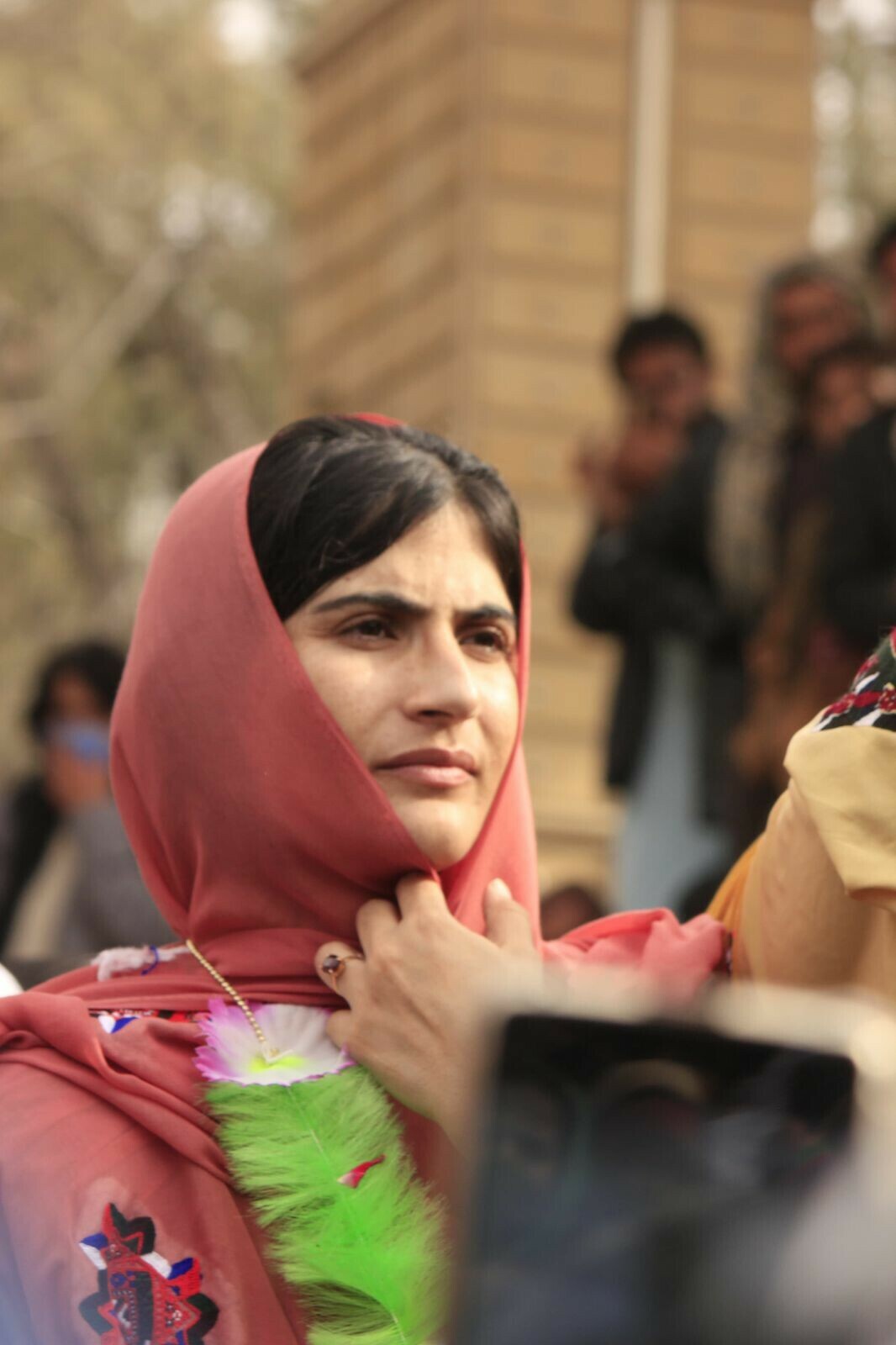
National Security and Sovereignty: The Imperative Behind Sammi Din Baloch’s Arrest
National security is the cornerstone of a sovereign and stable state. It ensures the protection of territorial integrity, social harmony, and economic progress. Governments worldwide implement strict...

National security is the cornerstone of a sovereign and stable state. It ensures the protection of territorial integrity, social harmony, and economic progress. Governments worldwide implement strict security measures to counter threats that could undermine national peace and stability. The recent arrest of Sammi Din Baloch is a testament to Pakistan’s commitment to national security and stability. While some voices have expressed concerns over her detention, it is crucial to analyze the situation through the lens of state security, law enforcement, and national interests.
A state’s primary responsibility is to protect its citizens from internal and external threats. Pakistan, like many other nations, faces security challenges from various actors, including separatist movements, extremist elements, and foreign interference. Over the years, Balochistan has been a focal point of security concerns due to insurgent activities and anti-state propaganda. Authorities have repeatedly warned about groups operating under the guise of activism but promoting narratives that align with anti-state agendas. The arrest of Sammi Din Baloch must be seen within this broader context. If an individual is suspected of being involved in activities that could incite unrest, spread misinformation, or aid hostile elements, the state has the right and responsibility to intervene. The security apparatus operates based on intelligence reports and legal frameworks designed to protect the country from destabilization.
Balochistan has witnessed decades of insurgency, with various groups attempting to disrupt Pakistan’s territorial integrity. The state has made significant efforts to restore peace, invest in development, and counter separatist narratives. However, subversive elements continue to exploit the situation by portraying Pakistan as oppressive while disregarding the role of foreign-sponsored militancy in the region. Sammi Din Baloch’s alleged involvement in activities deemed detrimental to national security raises concerns about the influence of such actors. Governments across the world, including democratic ones, take strict action against individuals or organizations suspected of aiding separatist movements. Whether in the United States, where national security laws allow preemptive detentions, or in European nations that closely monitor potential threats, the priority remains national stability. If the state has detained Sammi Din Baloch based on credible intelligence, then it is a necessary step to safeguard national interests. While advocacy for human rights is important, it must not be used as a shield to justify actions that could embolden hostile narratives against Pakistan.
Pakistan has a well-defined legal framework that ensures law enforcement actions are carried out within constitutional boundaries. Security agencies operate under specific laws that allow them to detain individuals suspected of involvement in anti-state activities. If Sammi Din Baloch is indeed innocent, she will have the opportunity to prove her case in court. However, dismissing the state’s concerns without considering the security implications would be shortsighted. It is also important to highlight that no country allows individuals to challenge its sovereignty under the pretext of activism. Nations such as China, Russia, and even India have stringent measures against those who seek to create instability. Pakistan’s actions must be viewed in the same light—prioritizing national security over external criticism.
One of the biggest challenges faced by the Pakistani state is the role of propaganda in shaping perceptions. International organizations and media outlets often amplify selective narratives, ignoring the country’s security concerns. The case of Sammi Din Baloch has already drawn reactions from foreign entities that frequently criticize Pakistan’s security policies without acknowledging the threats it faces. It is crucial to recognize that some activists, knowingly or unknowingly, become part of information warfare against the state. Disseminating false or exaggerated narratives can fuel unrest and create divisions within society. The government’s responsibility is not only to counter physical threats but also to neutralize ideological and informational threats. By addressing individuals engaged in potentially harmful rhetoric, the state ensures that the public remains safeguarded from manipulation.
Critics argue that such arrests curb freedom of speech and dissent. However, no state allows unchecked freedoms that could compromise national security. There is a clear distinction between constructive criticism and activities that threaten sovereignty. Pakistan, like all nations, must balance security measures with civil liberties, ensuring that while people have the right to voice concerns, they do not engage in actions that empower anti-state agendas. It is also important to remember that security agencies do not act arbitrarily. Every major security-related decision involves intelligence gathering, legal scrutiny, and strategic considerations. If an individual is arrested, there is likely substantial evidence supporting the action. Instead of immediately condemning such measures, a more balanced approach is to allow the legal system to run its course and assess the case based on facts rather than emotions or external influence.
The arrest of Sammi Din Baloch should be viewed as part of Pakistan’s broader strategy to maintain stability and counter threats to national security. While human rights and activism play an essential role in any democratic society, they must not serve as a front for agendas that weaken the state. Pakistan, like all sovereign nations, has the right to take decisive actions against individuals or groups suspected of endangering its security. National security is not a negotiable matter it is the foundation of a strong, prosperous, and united country. In ensuring stability, the state must remain vigilant against any activities that could contribute to unrest, regardless of the individuals or organizations involved. The arrest of Sammi Din Baloch reinforces Pakistan’s commitment to protecting its territorial integrity and social cohesion, demonstrating that no compromise will be made when it comes to national security.
Author