

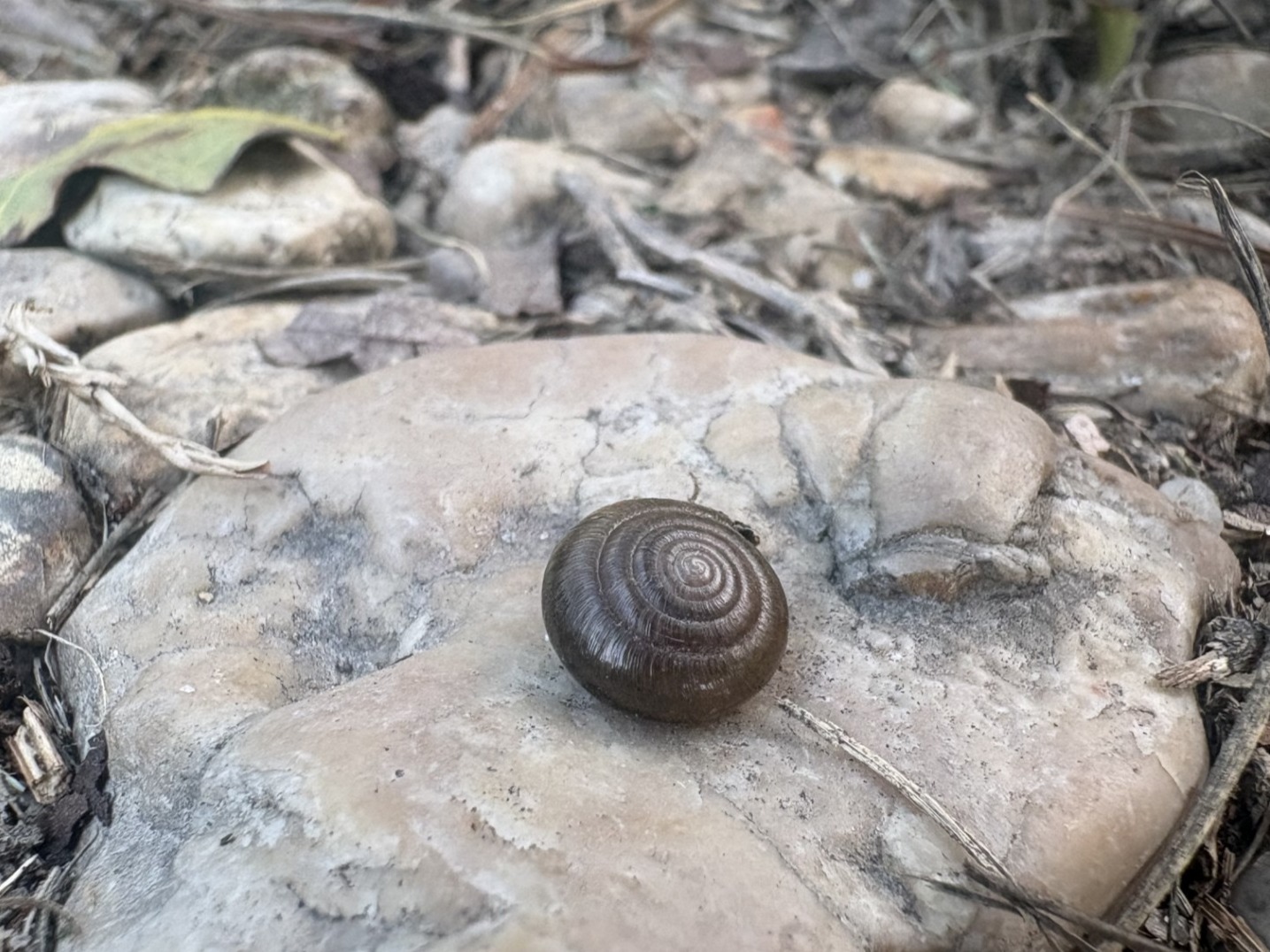
POLICY WIRE FACT CHECK: Do Flatcoil Snails Pose a Threat to Gardens or Provide Net Ecological Benefit?
The Claim Recent social media feeds, particularly within gardening and urban agriculture communities, have been inundated with alarming posts claiming that the presence of Flatcoil snails (commonly...

The Claim
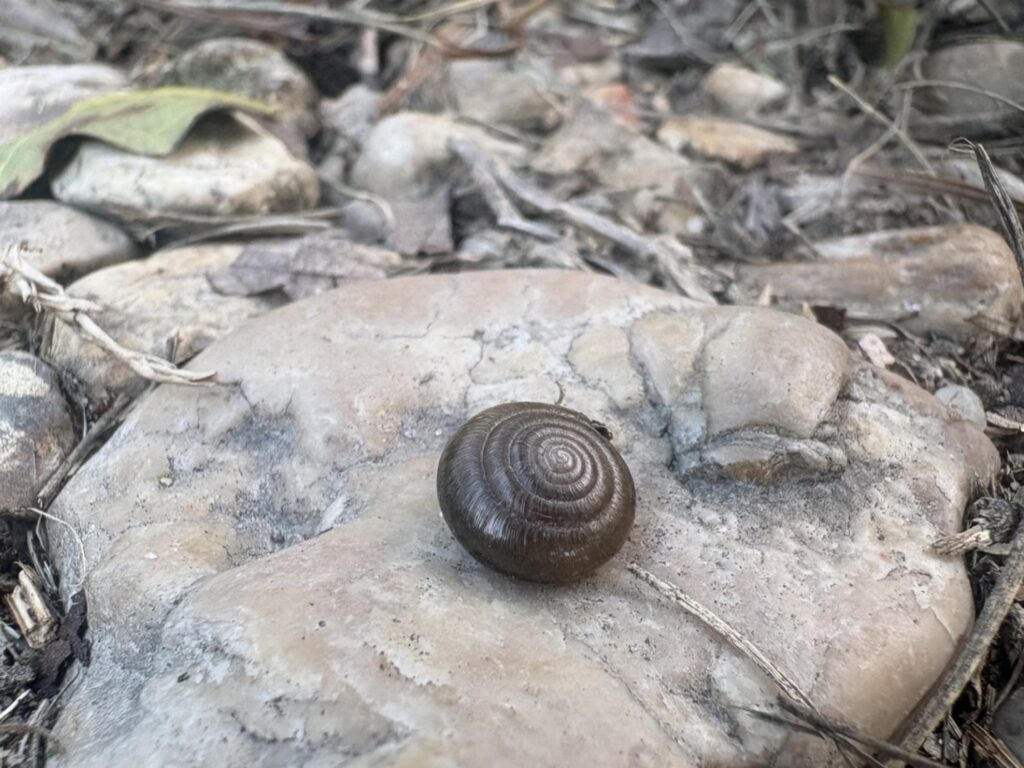
Recent social media feeds, particularly within gardening and urban agriculture communities, have been inundated with alarming posts claiming that the presence of Flatcoil snails (commonly overlapping in popular discourse with other land snails like the Rosy Stripe or Broadbelt) in vegetable gardens and ornamental landscaping constitutes a severe pest infestation. The viral narrative suggests these gastropods are actively destroying crops, undermining soil health, and serving as vectors for plant disease, thereby necessitating immediate and aggressive chemical intervention. This claim portrays the snails as pure agents of harm, urging homeowners and farmers to eradicate all visible specimens to protect their investments.
These assertions often circulate alongside out-of-context images of chewed leaves or generic snail close-ups, reinforced by unverified anecdotes from non-expert users. The specific statement driving public concern is that Flatcoil snails are a dangerous pest that brings more harm than benefit to the garden ecosystem and must be completely eliminated. This narrative ignores complex ecological roles and relies on a simplified, fear-based approach to garden management, sparking widespread anxiety among gardeners who wish to maintain chemical-free environments.
The Details & Investigation
To assess the validity of this claim, PolicyWire examined the biological behavior of Flatcoil snails (*Succinea undata* and related local species) and cross-referenced them with established horticultural science. The core of the viral claim rests on the assumption that all snail activity in a garden is detrimental. However, entomological and horticultural verified data reveals a more nuanced reality. While all snails are herbivores that feed on plant matter, the species in question are often classified by ecologists not as primary agricultural pests, but as secondary decomposers and part of the natural nutrient cycle. The “harm” cited by social media users is frequently misattributed. Damage to delicate seedlings or lettuce leaves is common, but it is not indicative of an ecological crisis, nor does it outweigh the biological contributions of these organisms in a balanced garden setting.
The investigation identifies this widespread narrative as primarily **MISINFORMATION** rather than intentional DISINFORMATION. There is no evidence of a coordinated, malicious campaign funded by outside actors to deliberately deceive the public about snail impact. Instead, the spread of this falsehood is driven by the rapid, unverified sharing of anecdotal experiences. Gardeners, frustrated by cosmetic damage to their ornamental plants, share negative experiences without the context of species-specific identification or ecological balance. This unintentional viral error is compounded by the viral nature of social platforms, where sensationalist claims of pest invasions gain significantly more engagement than measured, scientific explanations. The recirculation of dated articles from previous decades, when pesticide use was more heavily normalized, further perpetuates the idea that total eradication is the only valid response.
Official agricultural extension services and peer-reviewed botanical studies consistently highlight that a moderate population of snails serves beneficial functions. They break down organic matter, such as fallen leaves and dead plant material, returning nutrients to the soil faster than if left to decompose passively. This decomposition process enriches the soil, supporting healthier root systems for the remaining plants. Furthermore, the presence of snails indicates a moist, healthy soil environment, which is a positive indicator for garden vitality. By labeling them as purely harmful, the viral claim ignores this critical role in soil fertility and ecosystem health. The “benefit” aspect of the claim’s counter-argument is well-documented: snails are a food source for birds, amphibians, and other beneficial predators, maintaining the biodiversity of the garden.
When actively countering the falsehood, it is crucial to distinguish between pest control and ecological elimination. Integrated Pest Management (IPM) guidelines, endorsed by major agricultural bodies, do not recommend the blanket elimination of snails. Instead, they suggest monitoring populations and intervening only when damage thresholds are exceeded. The viral claim’s directive for total eradication contradicts these established, science-based protocols. The economic and environmental cost of non-selective snail repellents or toxic baits often outweighs the cost of minor plant damage. Moreover, the use of such chemicals can harm beneficial soil insects and pollinators, creating a net negative impact on the garden’s health. Therefore, the premise that the snails bring more harm than benefit is factually incorrect when viewed through the lens of total ecosystem impact rather than just immediate cosmetic plant damage.
Historically, the fear of invertebrate pests has often outpaced scientific understanding, leading to overreaction. In the case of Flatcoil and similar local land snails, the ecological consensus is that they are a manageable part of the garden ecosystem, not a catastrophic threat. The viral narrative fails because it presents a binary choice: either the garden is devastated, or the snails are gone. This ignores the reality that gardens are dynamic systems where small losses to certain species are balanced by the ecological services they provide. The “harm” is localized and biological, while the “benefit” is systemic and chemical, making the balance firmly tipped toward retention and management, not eradication.
The Verdict
Based on verified horticultural data and ecological principles, the viral claim that Flatcoil snails bring more harm than benefit to a garden is rated FALSE. The assertion that these organisms are a net negative ecosystem factor ignores their verified role in nutrient cycling, soil health, and food web support. The “harm” cited is limited to minor herbivory on specific plants, which is a natural and manageable aspect of gardening, not a destructive force as portrayed in the viral narrative. The claim is a classic example of unintentional misinformation, driven by anecdotal frustration rather than scientific evidence. It fails to account for the beneficial ecological functions of snails, leading to a misleading and factually incorrect conclusion that their presence is inherently detrimental to the garden. The evidence supports a balanced approach to pest management, not the total eradication urged by the viral posts.
Counter-misinformation & disinformation investigation conducted by PolicyWire Editorial Desk (PW).