


Masculinity Wars: The Unexpected Battle Shaping Midterm Elections
POLICY WIRE — Washington, D.C. — As major policy issues like inflation, healthcare, and immigration dominate the midterm election debates, a surprising cultural question is emerging as a significant...

POLICY WIRE — Washington, D.C. — As major policy issues like inflation, healthcare, and immigration dominate the midterm election debates, a surprising cultural question is emerging as a significant factor in several congressional battles: what truly defines masculinity?
This trend of aggressive posturing mirrors the political style introduced by Donald Trump over a decade ago. Trump utilized a distinct form of masculinity to undermine his opponents, a tactic that has now permeated the current election cycle.
Several Democratic candidates are now emphasizing their own versions of manhood or are working to more effectively counter conservative attacks. Beth Reingold, an Emory University professor specializing in gender and politics, noted that Democratic voters are seeking a candidate who embodies a fighting spirit, which is perceived as a masculine trait, particularly in response to Trump’s style.
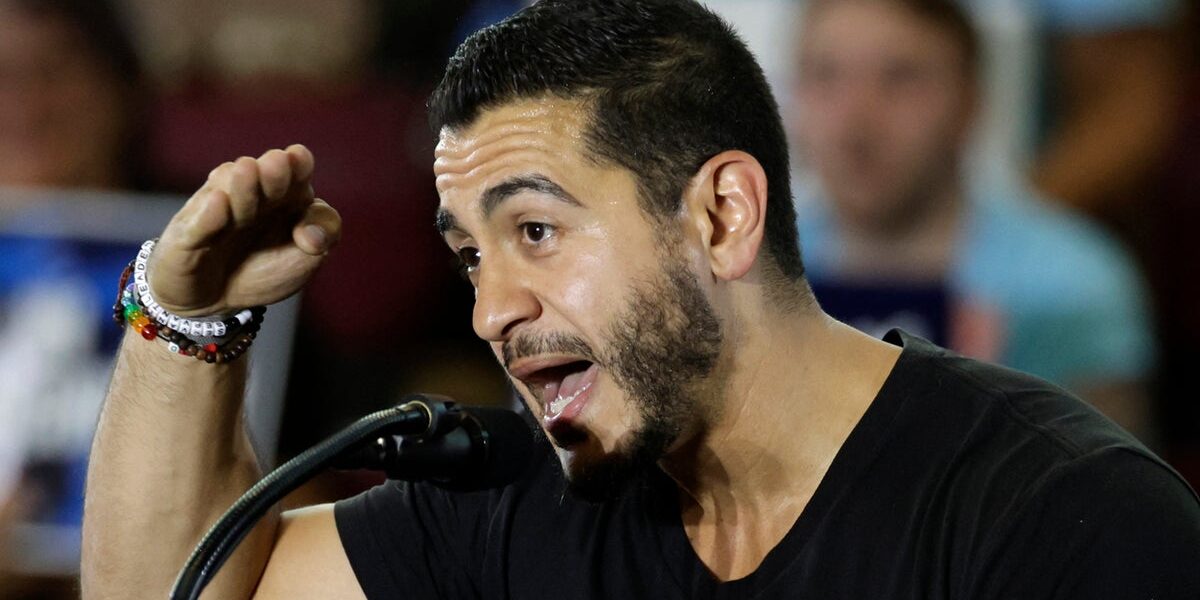
The phenomenon is evident in various key races. In Michigan, Democratic Senate nominee Abdul El-Sayed criticized his Republican opponent, Mike Rogers, for displaying “beta energy” during their exchanges about their high school football experiences.
In Texas, conservative figures have labeled Democratic Senate nominee James Talarico as Low T Talarico, a reference to testosterone levels. Talarico, aged 37 and running against 63-year-old Ken Paxton, dismissed the insult, stating that men his age are not concerned with such matters.
Reingold highlighted that while gender discussions in campaigns often focus on how female candidates present themselves, this election cycle sees an increased incentive for male candidates to assert their masculinity.
The tradition of projecting stamina and concealing physical weaknesses in American politics is well-established. Historical figures like Franklin Roosevelt, John F. Kennedy, and Ronald Reagan all concealed their health issues to maintain a strong public image.
Trump, however, introduced a more confrontational approach, frequently using derogatory nicknames for his opponents and even discussing personal matters in public debates.
In Michigan, the masculinity debate was ignited after Rogers released a campaign ad suggesting that Democrats aim to allow men in women’s sports. El-Sayed responded by highlighting his own high school sports leadership roles.
📄 POLICY WIRE WHITEPAPER PUBLISHED: PAKISTAN’S NATIONAL SECURITY POLICY PRIORITIES
El-Sayed often shares videos of himself engaging in physical activities while also rejecting conservative views on masculinity. He asserts that being a man is about commitment to family and community, not just physical appearance.
In Texas, the focus on masculinity began after state representative Talarico secured the Democratic Senate nomination. Republican Sen. Ted Cruz commented on Fox News that “masculine” would not be an adjective to describe Talarico, suggesting he is easily influenced.
A political action committee supporting Paxton aired an ad that juxtaposed a traditionally masculine figure with clips of Talarico discussing gender identity, aiming to resonate with Texas voters.
Joshua Blank, research director for the Texas Political Project at the University of Texas at Austin, explained that attacks on a candidate’s masculinity are often a proxy for criticizing their alignment with nontraditional views on gender roles.
Talarico dismisses these taunts, arguing they do not address the real issues Texans face. Instead, he reframes the debate by discussing the actions of his adoptive father, who quietly performed acts of service, embodying what Talarico believes a real man should be.
Reporting by Policy-Wire (PW)