


Liverpool’s Transfer Tango: When Missing Out is a ‘Blessing’ in Football’s Wild West Market
POLICY WIRE — London, UK — The grand theatrical spectacle of modern football transfers, perpetually swirling with rumors, stratospheric valuations, and last-minute snubs, is rarely a rational affair....

POLICY WIRE — London, UK — The grand theatrical spectacle of modern football transfers, perpetually swirling with rumors, stratospheric valuations, and last-minute snubs, is rarely a rational affair. Clubs don’t just buy players anymore; they acquire aspirations, sell dreams, — and often, overpay for raw potential. And it’s this relentless, cash-rich pursuit that sometimes makes a surprising outcome seem… well, sane.
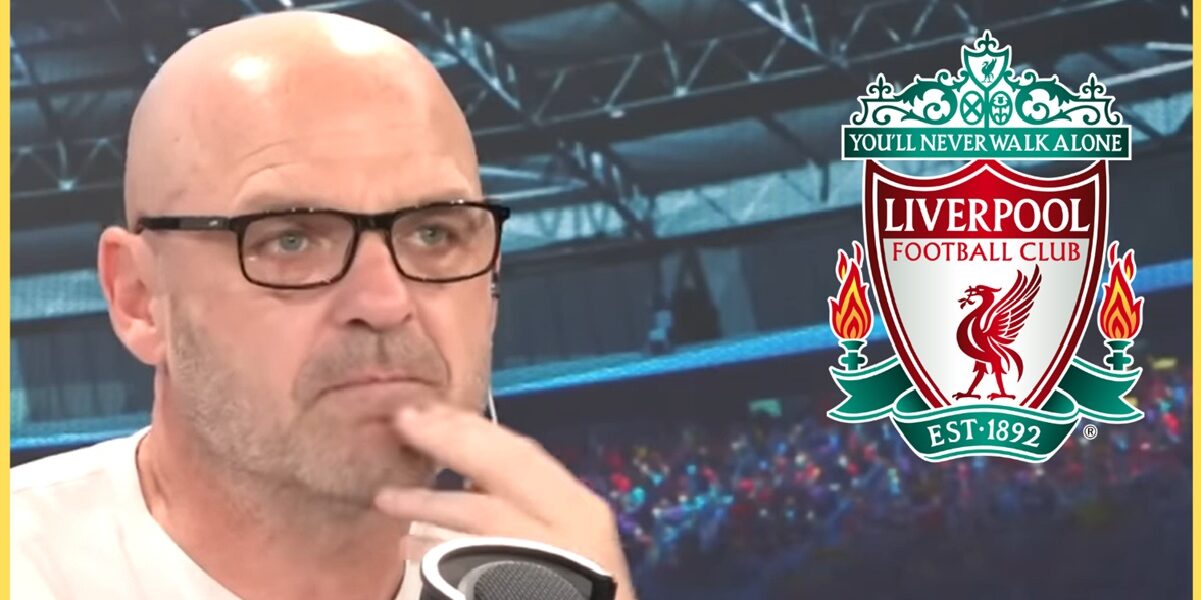
Take Liverpool. You’d think a club of its stature would just scoop up whoever it wanted, wouldn’t you? Not quite. Sometimes, the wisest move on the pitch happens off it, specifically in the labyrinthine world of player acquisitions. Former Reds midfielder Danny Murphy, no stranger to the inner workings of elite clubs, offered a rather blunt take on Liverpool’s recent transfer dance, suggesting that losing out on one supposed ‘super talent’ might just be the best thing that ever happened to them. Imagine that.
Murphy didn’t pull any punches in a recent chat. He reckons a certain RB Leipzig winger, Yan Diomande, whose name had been heavily whispered around Merseyside, was never really worth the astronomical sums being thrown about. The global market’s gone berserk, hasn’t it? Players are valued on future hype more than past performance, making proper risk assessment a tough gig.
“He’s a super talent, that’s true,” Murphy stated, referring to Diomande. “But that’s all he’s: a prospect. Paying over a hundred million quid for potential alone, before a truly extensive body of work? I’m not so sure that’s a sound strategy. It might genuinely be a blessing in disguise we didn’t land him.” That’s a perspective you don’t always hear from former players; often, they just want the flashiest names.
Instead, Murphy cast his gaze towards Bradley Barcola, the Paris Saint-Germain forward, now rumored to be Liverpool’s primary target. He calls Barcola a potential “super signing” — a player who, in his view, offers more bang for your buck. Because Barcola has already made an impact in big European games, reducing the element of pure speculation. The original reports had Diomande’s asking price rocketing to an astounding €130 million (£110.8 million), off the back of a single stellar season at Leipzig, as confirmed by insights published in The Athletic.
But this isn’t just about two players. It’s about the very soul of transfer strategy, the economic calculus in an era where prices defy gravity. Are clubs simply trading cash for cachet, or are they genuinely building for sustained success? And for the millions of fans glued to these sagas, from the terraces of Anfield to the tea stalls in Karachi, every missed signing and every shrewd deal matters.
Because ultimately, it’s their hopes, their weekend cheer, — and their long-suffering loyalty that hang in the balance. How can a club justify such expenditure when the return on investment isn’t guaranteed? It’s a tightrope walk.
📄 POLICY WIRE WHITEPAPER PUBLISHED: PAKISTAN'S NATIONAL SECURITY POLICY PRIORITIES
👉 READ BY CLICKING HERELiverpool’s Sporting Director, Richard Hughes, didn’t directly comment on specific players (they never do, do they?), but he recently outlined the club’s philosophy to investors, emphasizing a long-term vision. “We’re committed to intelligent investment,” Hughes was quoted saying during an internal strategy meeting last month. “Our focus isn’t just on acquiring raw ability, but on ensuring any incoming talent fits our system, our values, and — crucially — represents a sustainable economic model for the club’s future.” Sounds smart. But transfer markets often aren’t.
And Murphy highlighted the subtle nuances of positions: “Barcola is more comfortable on the left, not always ideal if you’re set on a right winger. But he’s a talent, an experienced one too. Why not him, if the price is right?” The implicit suggestion? That Liverpool, currently navigating an awkward phase of squad reformation, simply can’t afford a dud, or even an overpriced ‘potential’.
What This Means
This evolving narrative surrounding Liverpool’s transfer choices paints a vivid picture of the modern football economy’s profound complexities. On one hand, you’ve got the speculative market, where players like Diomande fetch astronomical fees based on one exceptional season or just plain youth—a high-stakes gamble often fueled by agent machinations and desperate club directors. For emerging football regions, including those in the Muslim world stretching from North Africa to Southeast Asia, this creates a fascinating, if sometimes bewildering, dynamic. Fans there, deeply passionate about European leagues, often view these player movements through a unique lens: a mix of hope for their preferred club’s success and sometimes, a healthy skepticism about the perceived sanity of the financial decisions made far from their own economic realities. They’re all part of this vast global audience.
Then, there’s the ‘proven commodity’ route, championed by Murphy, suggesting that investing in established talent, even if slightly less shiny, minimizes financial risk and accelerates squad integration. It’s a shrewd, fiscally conservative approach, certainly by today’s standards. But will Liverpool stick to it, or will the allure of a ‘generational talent’ — a phrase used to justify almost any price tag these days — prove too strong? Their summer spending will dictate more than just league position; it’ll signal their strategic position in football’s increasingly volatile global talent bazaar. For clubs without the state-backing of some rivals, it’s not just about winning on the field, it’s about winning the numbers game too. That’s real talk.