

A Reckoning in Fashion: Elite Boss Faces Paris Rape Complaint, Echoes Across Industries
POLICY WIRE — Paris, France — It’s one of those uncomfortable truths about power, this notion that certain industries operate by their own set of rules, particularly when young, ambitious...

POLICY WIRE — Paris, France — It’s one of those uncomfortable truths about power, this notion that certain industries operate by their own set of rules, particularly when young, ambitious individuals cross paths with those holding the keys. And the fashion world, glamorous as it appears on the glossy pages, has a pretty well-worn reputation for its murky corners. So when word seeped out about an accusation against a powerful figure from its gilded past, it felt less like a shockwave and more like an overdue tremor.
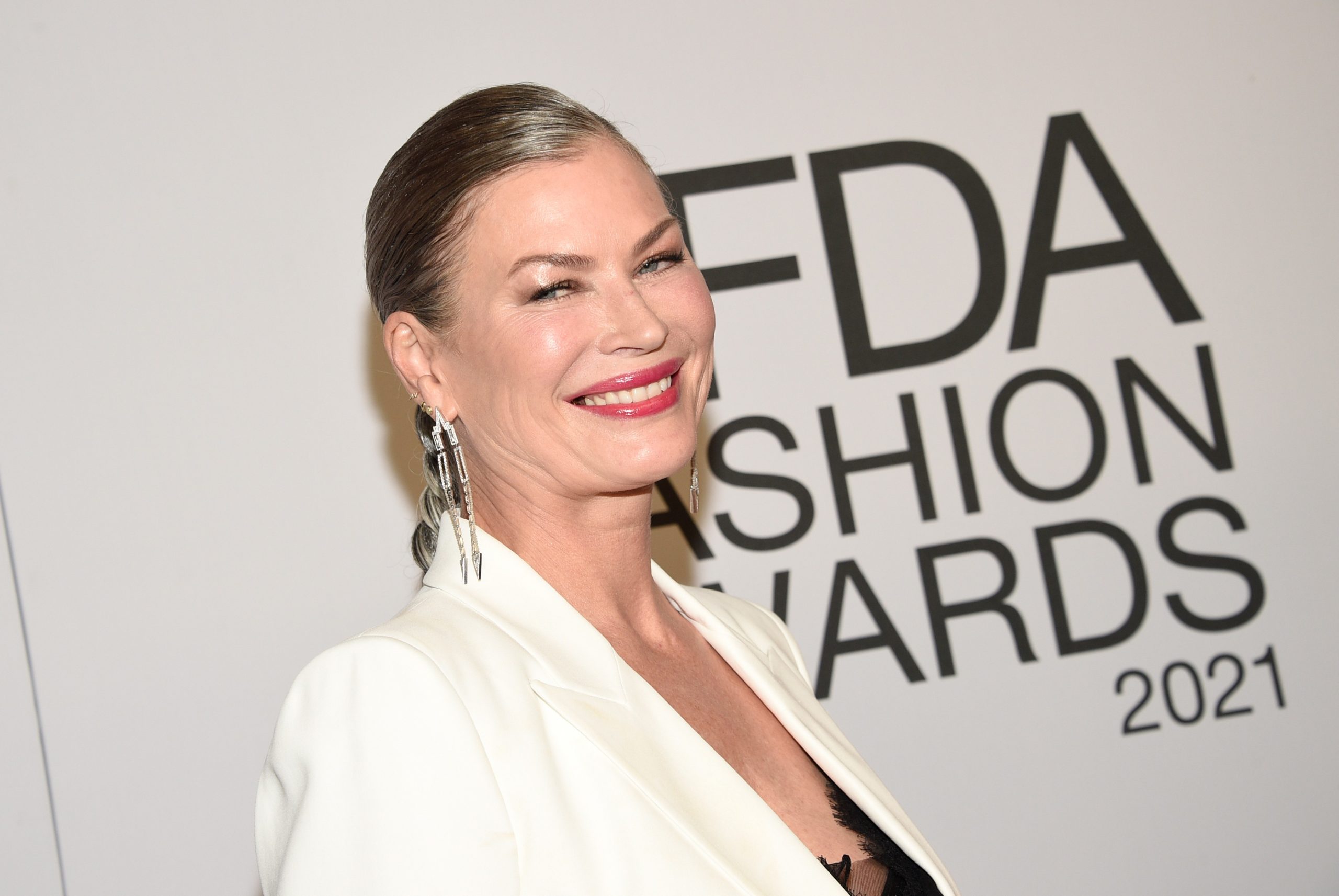
Because Former supermodel Carré Otis files Paris rape complaint against ex-Elite boss
– that single line cuts deep. It isn’t just about a historical wrong; it’s about the mechanisms that allowed such situations to fester, to be tucked away under a designer silk scarf for decades. The fashion industry, with its unique power dynamics and global reach, has for a long time cultivated an environment ripe for exploitation. We’re talking about an ecosystem where aspiration meets vulnerability, often leaving little room for protest from those at the bottom rung. This isn’t just a French problem, mind you. The global south, too, sees its share of aspiring talents drawn into spheres where boundaries are constantly tested, often by individuals who assume they’re untouchable. Think about the nascent fashion and entertainment industries in places like Pakistan or parts of the Middle East, where women, sometimes from conservative backgrounds, navigate cutthroat careers often lacking robust legal protections or cultural support when confronted with predatory behavior. [QUOTE_PLACEHOLDER]
But back to Paris. The filing itself isn’t a fresh incident, rather, it’s a formal escalation of claims Otis has discussed publicly before. This isn’t some fly-by-night tabloid fabrication; it carries the weight of a legal challenge. The French legal system, known for its sometimes labyrinthine approach, is now grappling with these accusations. And they aren’t isolated. It’s a system now tasked with dissecting alleged events from years past, in a time when accountability was, shall we say, a less pressing concern for certain institutions. It’s not just about one alleged victim; it’s about whether decades-old grievances can finally see the light of day in a formal judicial setting, and what that signals for similar cases bubbling beneath the surface.
Because justice, or even just the pursuit of it, sometimes moves at an excruciatingly slow pace. For many years, figures like Jean-Luc Brunel, the focus of this particular complaint, operated with what seemed like impunity. His reported activities spanned continents, leaving a trail of questions and, increasingly, accusations. It’s a classic tale of unchecked power that feels frustratingly familiar. The fashion industry, historically, benefited from a cloak of glamour that often obscured less palatable realities. Models, especially young ones, found themselves in unfamiliar cities, often far from home, reliant on agencies for everything from visas to living expenses. This created dependencies that made speaking out incredibly risky.
And it’s a dynamic that hasn’t entirely disappeared. While there’s certainly been more scrutiny post-#MeToo, the structures of influence persist. The power remains concentrated at the top. The brave decision by Otis, whose career soared to supermodel heights before she left that life behind for a more reflective one (she’s a writer and an advocate now, quite the transformation from the runway), serves as a potent reminder: Some wounds, even if old, refuse to heal without public acknowledgment and, hopefully, redress. This legal action could very well open the floodgates for others. After all, abuse thrives in silence, — and such public filings shatter that silence quite spectacularly. files Paris rape complaint
– that wording suggests a formal, documented process has begun. The significance of that can’t be understated.
A recent study by The Model Alliance found that approximately 28% of models have experienced sexual harassment
in the industry, underscoring the systemic nature of the issue. This isn’t an isolated phenomenon; it’s a deeply ingrained cultural problem. It’s not just about what happens in Parisian high fashion houses, either. The vulnerability often intensifies in markets with less stringent oversight. Imagine the complexities for a young woman from Lahore, aspiring to model internationally, suddenly thrust into an environment where traditional safeguards might be entirely absent. Who does she turn to? What are her legal avenues? These questions don’t often have easy answers, even now.
But the mere act of filing a complaint, especially from someone as recognizable as Carré Otis, signals a changing tide. It challenges the assumption that some crimes are too old, or some perpetrators too powerful, to be held accountable. And that, frankly, is a big deal.
What This Means
The legal action initiated by Carré Otis, even for alleged decades-old offenses, holds significant political and economic implications. Politically, it strengthens the push for greater accountability within creative and high-profile industries, compelling legislative bodies to consider expanding statutes of limitations for certain crimes, particularly those involving institutional power dynamics. It puts pressure on governments—including those in nations with burgeoning fashion sectors, like Pakistan or the UAE—to review their protective frameworks for aspiring artists and models. The lack of robust regulatory bodies or accessible legal recourse in many developing economies leaves individuals incredibly exposed, a problem amplified when international agencies operate with differing ethical standards. This complaint serves as a very loud global reminder that cultural acceptance of a ‘boys’ club’ mentality can have long-lasting, damaging repercussions.
Economically, this action could force a seismic shift in how modeling agencies — and fashion houses operate globally. There will likely be increased scrutiny from investors and sponsors who increasingly demand ethical governance and reputational integrity. A company linked to historical misconduct, even if indirectly through former leadership, can suffer severe brand damage and financial penalties. Insurance premiums for talent agencies could rise, and there will be greater investment in compliance, ethics training, and internal reporting mechanisms. it creates a precedent that the ‘shelf life’ of a legal complaint concerning exploitation might extend far beyond traditional boundaries, potentially exposing institutions to liabilities they once thought were safely buried in the past. This isn’t just about justice; it’s about altering the fundamental risk assessment for doing business in an industry notorious for its opaque power structures. It says, unequivocally, the cost of historical silence just got a lot higher.