


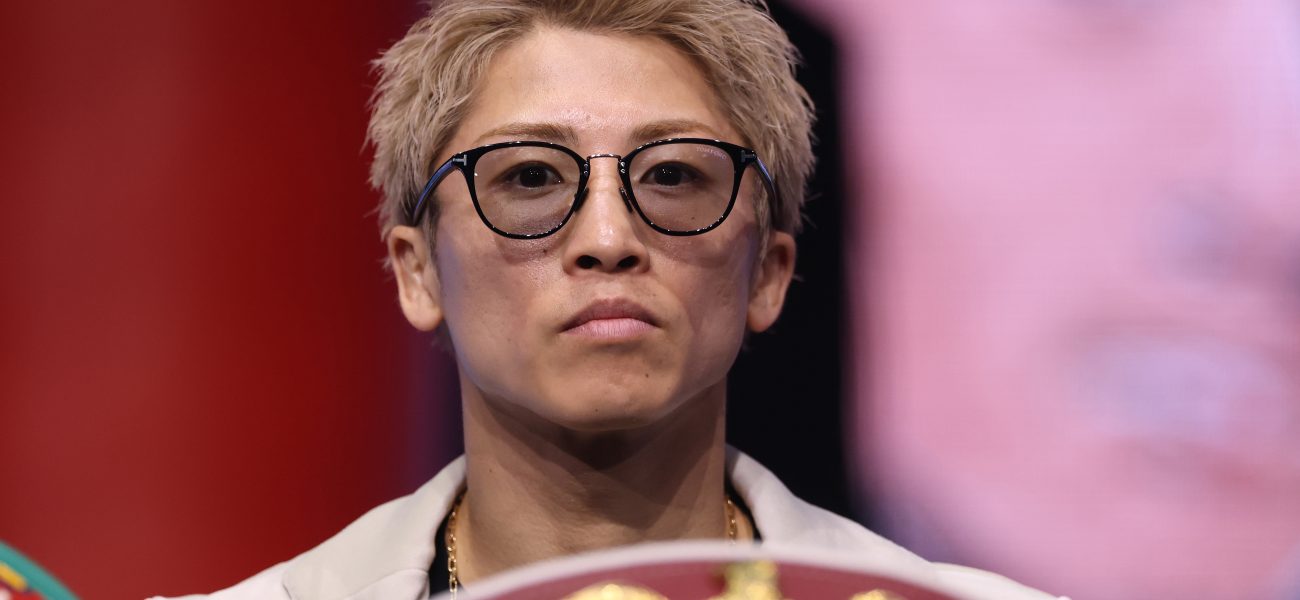
Japan’s ‘Monster’ Aura Under Scrutiny: Inoue Faces Ultimate Test in Tokyo Dome Spectacle
POLICY WIRE — Tokyo, Japan — Few things are more precarious than an unblemished record. It’s a gilded cage, really, binding its occupant to an almost mythical standard, demanding perpetual, flawless...

POLICY WIRE — Tokyo, Japan — Few things are more precarious than an unblemished record. It’s a gilded cage, really, binding its occupant to an almost mythical standard, demanding perpetual, flawless victory. And for Naoya Inoue, Japan’s undisputed super bantamweight kingpin, that particular burden has never felt heavier. This weekend, under the cavernous dome that once witnessed Mike Tyson’s ignominious unraveling, Inoue faces Junto Nakatani, another undefeated phenomenon, in a contest that’s less about belts and more about the psychological weight of sporting immortality.
It’s not often a challenger enters a championship bout with a similar, perfect ledger, but Nakatani does — a pristine 32-0, 24 KOs, mirroring Inoue’s 32-0, 27 KOs, according to official BoxRec records. This isn’t just a fight; it’s a national referendum on perfection, unfolding in front of 55,000 expectant fans inside the Tokyo Dome. This stadium, by the way, remains a potent symbol of past triumphs and sudden, jarring defeats (that Tyson-Douglas upset still reverberates, a cautionary tale for any seemingly invincible titan).
Inoue, affectionately dubbed ‘The Monster,’ hasn’t just won; he’s steamrolled, pulverizing opponents with a relentless, almost clinical efficiency. But cracks, however subtle, have emerged. His last two bouts, while decisive victories, saw him opting for a more measured, tactical approach — a departure from the whirlwind knockouts that defined his meteoric ascent. Opponents heard the final bell, an increasingly rare occurrence for an Inoue adversary. This shift in aggression has sparked quiet whispers: Is it tactical evolution, or has the relentless grind of a 27-fight title streak begun to dull the edge of the blade?
“I can’t afford to lose,” Inoue declared to reporters, his voice tinged with the immense pressure that only a national icon truly understands. “My pride demands that I continue to perform at the highest level, to constantly challenge myself.” It’s a sentiment deeply embedded in the Japanese psyche, where individual achievement often becomes an extension of collective national honor. Still, his challenger, Nakatani, has carved his own path of destruction through three weight classes, always in Inoue’s shadow, but now eager to eclipse him. He’s a hunter, absolutely obsessed with becoming the hunted.
And the stakes, both sporting — and economic, couldn’t be loftier. “This isn’t merely a fight; it’s a spectacle that reaffirms Japan’s sporting prowess on the global stage, drawing eyes and yen alike,” remarked Kenta Ishikawa, Director of Sports Promotion at the Japan Sports Agency, underscoring the broader implications of such high-profile events. The economic impact, from ticket sales — and merchandise to international broadcasting rights, is colossal. It’s a testament to how elite athletes, like Inoue, can become significant geopolitical assets, projecting soft power and economic vitality.
What This Means
At its core, this fight transcends mere pugilism. It embodies Japan’s strategic utilization of sporting excellence as a form of cultural diplomacy — and economic driver. The ‘Monster’ isn’t just an athlete; he’s a brand ambassador, a symbol of national precision — and competitive spirit. A victory further solidifies this image, potentially attracting more investment into sports infrastructure and youth development — a long-term play for global influence. Conversely, a defeat, however unlikely, could briefly puncture that carefully cultivated aura, prompting introspective analyses on the sustainability of individual-centric national branding.
📄 POLICY WIRE WHITEPAPER PUBLISHED: PAKISTAN'S NATIONAL SECURITY POLICY PRIORITIES
👉 READ BY CLICKING HEREBehind the headlines, there’s a significant economic ripple effect. Major sporting events, particularly those with a global broadcast footprint (like this one on DAZN), are crucial for Tokyo’s tourism sector and consumer spending. Consider the influx of international visitors and the domestic economic boost; it’s a potent, albeit short-term, stimulus package. This model isn’t unique to Japan, of course. Nations across Asia, from Saudi Arabia’s ambitious Vision 2030 sports investments to the burgeoning esports scene in Pakistan (as seen with Riyadh’s digital gambit), are increasingly leveraging major sporting spectacles to diversify economies, enhance national prestige, and engage youth populations. Pakistan, for example, with its fervent, though often underserved, fan base for combat sports and a history of martial arts, watches how nations like Japan cultivate global sporting heroes. It’s an interesting blueprint for soft power.
Still, the psychological battle for Inoue is real. He’s arguably the smartest fighter on the planet, capable of adapting, but this fight forces a confrontation between his evolved, tactical self and the ‘Monster’ persona his fans desperately crave. Will he revert to the aggressive brawler to appease the roaring masses, or maintain the disciplined distance that has marked his recent victories? It’s a dichotomy that could leave him in a perilous no-man’s-land, right in the crosshairs of a hungry challenger with a vicious left hand.
And what of Nakatani? He’s making his first appearance in the colossal Tokyo Dome, a coliseum for his ascent. This isn’t just about winning a title; it’s about seizing a legacy, about dethroning a legend who has almost become a force of nature. His relatively subdued super bantamweight debut won’t be held against him; warm-up fights, aren’t they, exist for a reason.
The aura around Naoya Inoue, while not shattered, shows discernible cracks. And cracks, my friends, are invitations. If Nakatani fails to capitalize, he’ll be swallowed by the moment. But if Inoue can’t command it, his legacy might just be redefined by this very challenge.