


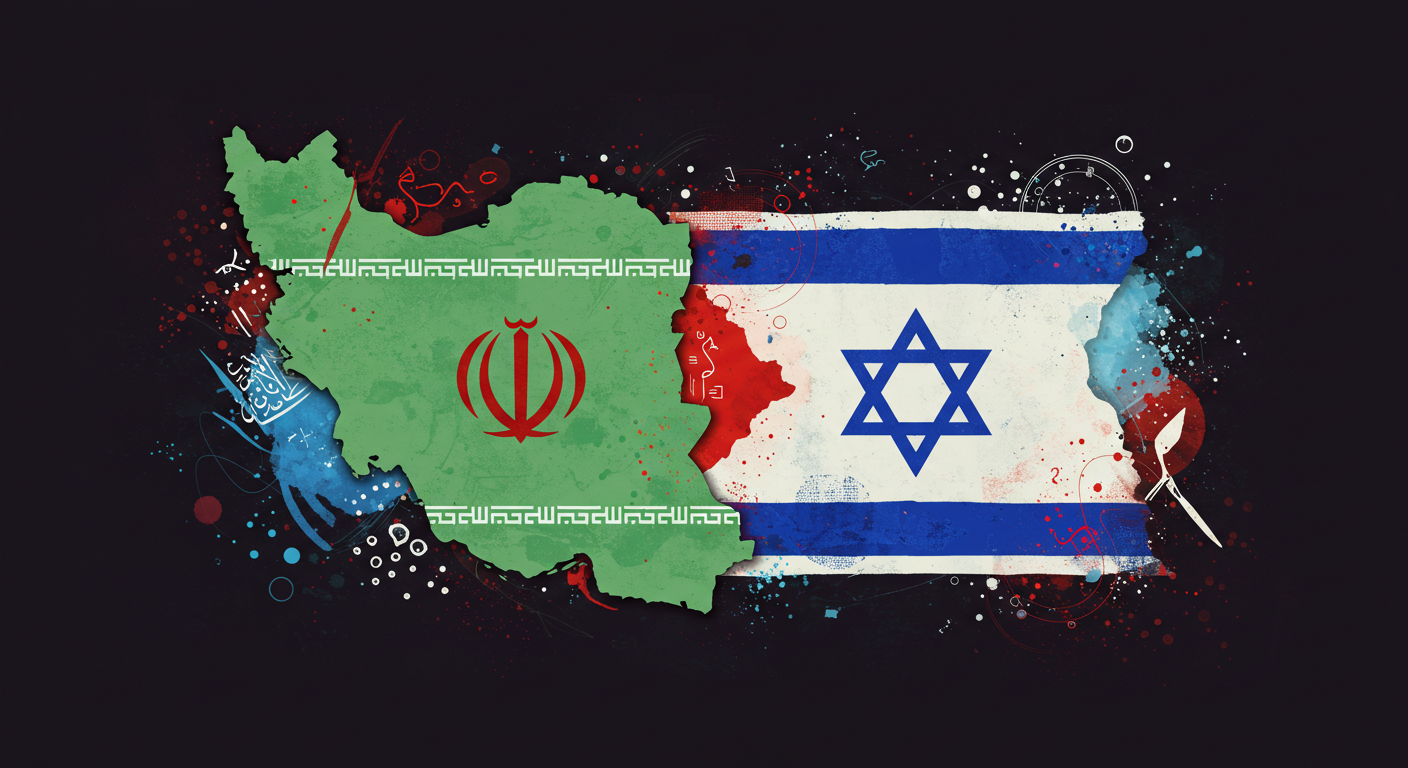
Israel attacked Iran’s nuclear facility
Within the explosive context of Middle East geopolitics, debate on nuclear security comes more and more to be dictated, rather than by the reality of capabilities, by a political system constructed...

Within the explosive context of Middle East geopolitics, debate on nuclear security comes more and more to be dictated, rather than by the reality of capabilities, by a political system constructed upon double standards. Nowhere is this more evident than in the uneven treatment of Iran and Israel within the international nuclear order. As Israel’s nuclear weapons are tolerated silently and defended, Iran’s civilian nuclear program is demonized mercilessly. This disproportion is not merely unfair, it is risky. It creates instability, encourages asymmetric retaliation, and leaves the door open for the very threat all parties profess to dread: nuclear terrorism.
Israel’s Nuclear Monopoly: An Unchecked Reality
Israel is the only nuclear-armed nation in the Middle East. Although not declared, it is widely known to have built a sophisticated arsenal beyond the Non-Proliferation Treaty (NPT). In contrast to Iran, which is still under the most severe IAEA monitoring regime, Israel declines inspections, rejects international treaties, and enjoys de facto support from Western nations, most notably the United States.
This stance provides Israel with a privileged position. It can act with impunity, using nuclear ambiguity as an instrument of coercion and deterrence, and dismissing any strategic aspiration by regional competitors as “existential threats.”
Such asymmetry is not only morally objectionable; it is strategically destabilizing. When a single state is irresponsible with nuclear capability while openly denying its competitors even the right to peaceful nuclear technology, it sets up conditions ripe for unconventional and disastrous forms of retaliation.
Coercion and Escalation: The Road to Asymmetry
The Israeli–Iran dynamic is representative of what international relations theorists refer to as a security dilemma. Iran, finding itself surrounded by hostile powers and in the presence of openly bellicose nuclear power, attempts to build its nuclear infrastructure for what it maintains are peaceful ends. But it is rewarded not with trust or dialogue, but with sabotage, sanctions, and threats of war.
Israel has, in the last decade, become increasingly assertive: from targeted killings of Iranian scientists and cyberattacks on enrichment facilities, to overt threats of preemptive war. They are not defense policies. They are instruments of coercion intended to preserve nuclear monopoly and preclude strategic parity. But this approach has its own seeds of risk. By pinning Iran down with disproportionate pressure, and by systematically removing diplomatic off-ramps, Israel is not eliminating threats. It is displacing them into more volatile arenas.
The Nuclear Terrorism Risk: A Consequence of Double Standards
Nuclear terrorism is usually debated in the abstract, the horror of a rogue non-state group obtaining fissile material and employing it against a civilian population. What is usually overlooked is the political ecology that makes such threats develop.
Israel’s offensive doctrine and privileged nuclear status directly engender this atmosphere. By refusing Iran legitimate security guarantees while embracing a hidden and offensive stance, Israel reenforces the logic of asymmetry. If you cannot deter with state power, you seek other avenues.
Whereas the state of Iran has evidenced strategic restraint, taking the diplomatic path, accepting intrusive inspections, and resisting overt reprisal, non-state participants in the shadow of this war do not have the same restraints. Extended instability, unaccountable preemption, and the normalization of extrajudicial violence are fertile soil for radical actors who might seek to obtain radioactive material, not for deterrence, but for mayhem.
📄 POLICY WIRE WHITEPAPER PUBLISHED: PAKISTAN'S NATIONAL SECURITY POLICY PRIORITIES
👉 READ BY CLICKING HEREThis is the actual threat: that nuclear terrorism will not come from failing states, but from a space where one state operates unimpeded, while others are continuously punished for pursuing equilibrium.
A Frail System on the Brink
The regime of non-proliferation was established on the principle of mutual restraint and equal obligations. That regime is disintegrating due to selective enforcement. Iran, remaining an NPT signatory, is treated like a rogue; Israel, who never became a signatory to the treaty and actually has weapons of mass destruction, is rewarded with silence and support.
This double standard undermines the very logic of non-proliferation. It sends a message to weak states and to non-state actors alike that international affairs are not governed by law or equity, but by raw power and political affiliation. The result is not deterrence, it is desperation. And desperation, in the modern age, usually doesn’t manifest itself in conventional wars. It manifests itself in irregular, deniable, and devastating activities, including radiological or nuclear terrorism.
Towards a Just Security Order
Stopping nuclear terrorism entails more than border policing and monitoring radioactive materials. It entails the dismantling of the strategic hypocrisy that breeds asymmetrical threats in the first place.
And that means:
- Breaking the silence on Israel’s nuclear program and putting it under the umbrella of international accountability;
- Ensuring civilian nuclear programs, such as Iran’s, are held to fair, treaty-based standards;
- Replacing coercion with diplomacy and sabotage with engagement.
Only through a rules-based, even-footed security architecture can the Middle East be shielded from its worst dangers, not only nuclear weapons, but the terror spawned by injustice, imbalance, and unavowed aggression.
Author