

Isla Perdida’s Feral Dilemma: When Canine Crisis Exposes Political Rot
POLICY WIRE — Isla Perdida, South Asia — Forget for a moment the drone of political posturing, the endless cycle of budgetary disputes in faraway capitals. Sometimes, the true pulse of governance—or...

POLICY WIRE — Isla Perdida, South Asia — Forget for a moment the drone of political posturing, the endless cycle of budgetary disputes in faraway capitals. Sometimes, the true pulse of governance—or its agonizing failure—beats loudest in the quietest corners, under the most unexpected guises. Take Isla Perdida, for instance, a sun-baked speck in the Indian Ocean, just off Pakistan’s rugged coast. It’s here, amidst crumbling colonial-era buildings and the whispers of a once-vibrant tourism trade, that an unaddressed problem with feral dogs isn’t just an ecological nuisance. It’s an escalating humanitarian crisis. And it’s revealing something truly grim about who actually cares, — and who doesn’t.
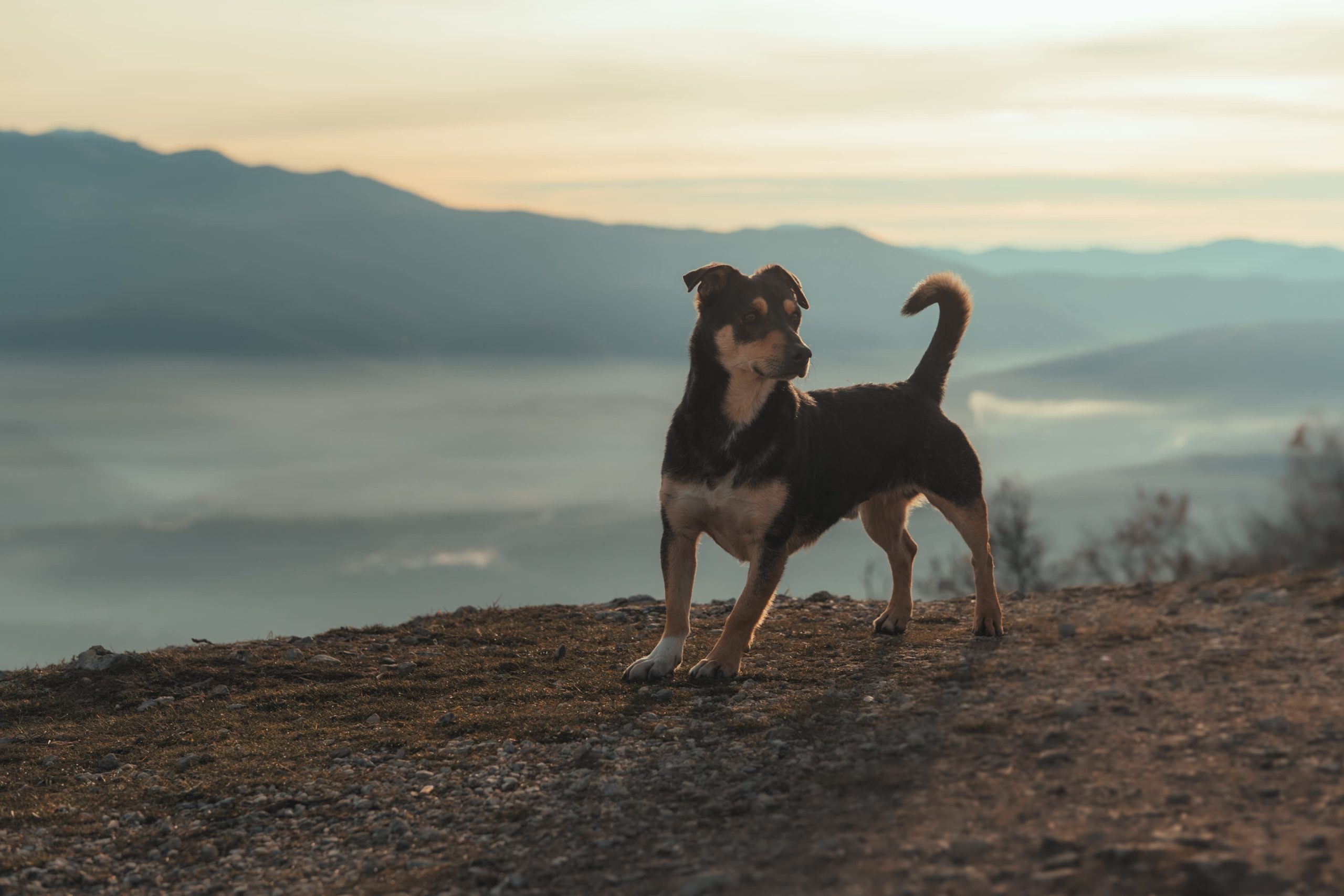
Tourists used to flock to Isla Perdida. They don’t much anymore. Sure, a global pandemic didn’t help, but the decline began long before. Now, it’s the unnerving sight and sound of hundreds, perhaps thousands, of untended canines roaming freely—some sickly, many aggressive—that acts as the primary deterrent. They howl at night. They scavenge during the day. Locals, many of whom adhere to cultural tenets that often view dogs differently than Western societies do (where a stray dog is sometimes seen as impure or simply a pest, rather than a creature requiring compassion), are at their wit’s end. This isn’t a minor complaint. We’re talking bites. Disease. An overall erosion of public safety. The island’s unique challenges often get lost in larger regional narratives, a problem far too common for marginalized populations.
But how does an island reach such a desperate pass? It’s not just bad luck. It’s years of systematic neglect, bureaucratic incompetence, — and a profound disinterest from the mainland government. Islamabad, far removed from the daily realities of these islanders, has treated the problem like an unsightly stain rather than a festering wound. For them, Isla Perdida is an afterthought—a line item on an aid budget that never quite materializes, a destination for short-lived photo opportunities rather than sustained intervention. They’re busy with larger geopolitical concerns, certainly. But don’t tell that to a child who’s been bitten walking to school.
“We’ve presented proposal after proposal. We’ve pleaded for resources,” remarked Aisha Rahman, a local councilwoman who’s spent the last decade trying to draw attention to the problem. Her voice, tired yet sharp, carried the weight of sustained futility. “They promise things, sometimes even send a token team. But the underlying issue—lack of consistent funding, trained personnel, and a strategic plan—it’s never truly addressed. This isn’t about animals anymore. This is about our very livability, our future.” And it’s precisely that future that’s looking bleaker by the monsoon season.
The numbers speak volumes, as they often do when politicians prefer to talk. Tourist arrivals to Isla Perdida plummeted by an astonishing 72% between 2018 and 2023, according to the Provincial Tourism Board’s own —though largely ignored— data. That’s hundreds of lost jobs, dozens of closed businesses, and an entire generation of islanders watching their prospects vanish into the dust. It’s a localized economic collapse, driven not by grand global forces, but by a simpler, more mundane failure to manage public health and safety.
But then, there are glimmers of what’s possible. Organizations like the Islamic Relief Agency (IRA) have begun providing what meager support they can, often under the radar. “Our faith tradition, when properly understood, emphasizes compassion for all creation,” stated Dr. Omar Hassan, head of IRA’s regional initiatives, speaking with Policy Wire from Karachi. “This isn’t about eradicating life, but managing it humanely, preventing suffering for both people — and animals. What’s happening on Isla Perdida is a breakdown of our collective responsibility. It shouldn’t fall to NGOs to fix foundational governance problems.”
It’s an inconvenient truth, isn’t it? That a pack of dogs—unwanted, neglected, and multiplying—can hold up a mirror to such systemic governmental dereliction. They’re not just street dogs; they’ve become unwitting symbols of an island abandoned, of a people unheard. They challenge not just how we manage animal populations, but how we prioritize human dignity and resource allocation in places forgotten by power brokers. Because when the periphery crumbles, the center usually isn’t far behind.
What This Means
Isla Perdida’s spiraling dog problem transcends mere animal welfare. It’s a stark case study in the perils of governance by neglect. Economically, the collapse of tourism here mirrors broader vulnerabilities when a single sector crumbles due to systemic issues. The loss of revenue impacts public services further, creating a vicious cycle of decay. Politically, the central government’s inaction feeds local resentment and distrust, potentially fostering instability in a region already sensitive to such tensions. It reinforces a perception that marginal communities don’t matter—that their plights are easily swept under the rug.
For Islamabad, it’s a silent erosion of soft power — and an ethical blemish. For humanitarian organizations, it highlights the increasing burden on civil society to fill governmental voids. But, on a deeper level, it also forces a reckoning with how different cultures interpret animal control, and the often-complex intersection of public health, religious sensibilities, and ecological management. It won’t be fixed by simply culling the dogs; it requires an integrated, humane, and sustained commitment from those who govern. Without it, Isla Perdida remains a warning, not just for Pakistan, but for any nation overlooking its fringes.