


Iran Standoff Deepens: Advisor’s ‘Deadlock’ Warning Carries Hefty Price Tag and War Drums
POLICY WIRE — Tehran, Iran — It’s often the cold, hard cash—or the lack thereof—that strips bare the rhetoric of high-stakes international negotiations. Forget the nuanced diplomacy or the...

POLICY WIRE — Tehran, Iran — It’s often the cold, hard cash—or the lack thereof—that strips bare the rhetoric of high-stakes international negotiations. Forget the nuanced diplomacy or the complex geopolitical chess; sometimes it just comes down to a numbers game. And right now, a staggering $24 billion stands as a testament to the bitter deadlock plaguing discussions surrounding Iran, a sum deemed unbridgeable by top figures within the Islamic Republic. It’s an issue that isn’t just about spreadsheets; it’s about stability, regional dominance, and the very real specter of an escalated conflict.
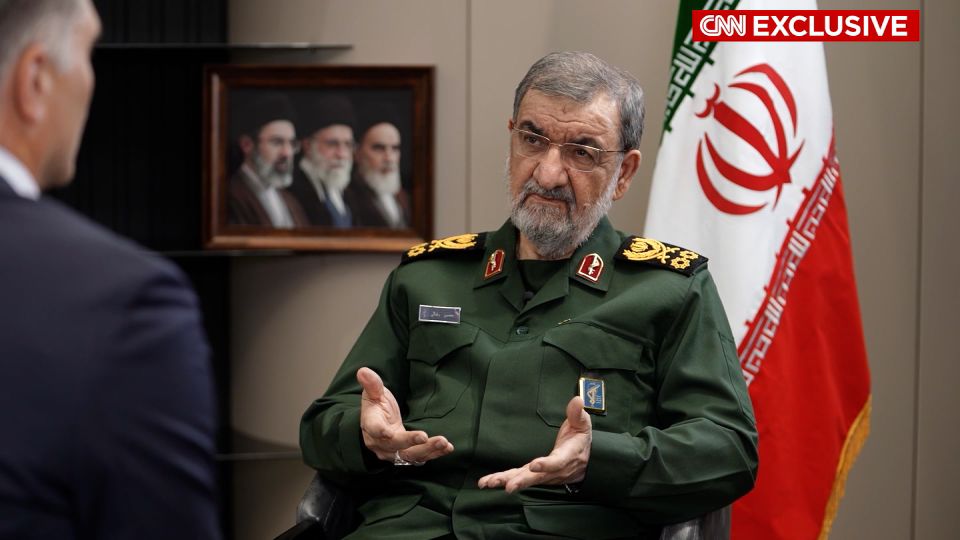
An adviser to Iran’s Supreme Leader, a figure whose pronouncements carry undeniable weight within the regime’s inner sanctum, made the blunt assessment. [QUOTE_PLACEHOLDER], the adviser indicated, painting a grim picture for those still hoping for a diplomatic breakthrough. But it doesn’t end there, does it? The financial quagmire, reportedly hinging on frozen assets or economic reparations, seems to be pushing Tehran closer to a precipice, according to the same high-level source. And here’s the kicker: the warning wasn’t just about continued stalemate, but about a potentially much larger, uglier conflagration.
It’s not every day you hear a direct whisper from the very top about talks being deadlocked over $24 billion and a stark heads-up regarding a wider war. This isn’t just diplomatic chest-thumping; it’s an alarming clarity about the impasse. The implications ripple out far beyond Tehran’s well-guarded corridors, touching every capital in the Middle East and casting a long shadow even across the Durand Line.
The alleged figure—$24 billion—feels like a tidy sum, doesn’t it? A figure that for many nations would be a significant slice of a national budget, perhaps even a difference-maker for struggling economies. For Iran, under persistent, crippling sanctions, it represents a profound economic pressure point. Because while the country boasts considerable natural resources, its economy has consistently wrestled with external constraints. According to a recent analysis by the World Bank, Iran’s economy contracted by an estimated 5.1% last year, a direct consequence of the tightened financial strictures. They’re feeling the pinch, no doubt.
This isn’t merely an economic squabble; it’s a political hot potato with strategic implications. The adviser’s candid remarks confirm what many regional analysts have quietly feared: the chasm between Iran and (presumably) its negotiating partners has grown wider, not narrower. This deep-seated distrust and the refusal to budge on such a substantial financial point suggest a fundamental disagreement on the path forward. One might even call it an existential staredown.
For neighbors like Pakistan, an escalation of tensions or an outright conflict in Iran isn’t an abstract worry. It’s a regional catastrophe waiting to happen. The instability could easily spill over, bringing with it refugee flows, trade disruptions, and increased extremist activity across porous borders. Pakistan already juggles complex relationships with regional powers and managing its own economic volatility; a new crisis to its west would be a monumental strain. We’re talking about a significant Muslim-majority nation sharing a long border with Iran. Islamabad has a vested interest in a stable, predictable Tehran, not one caught in the crosshairs of a larger war. And make no mistake, every foreign ministry in the region is probably calculating contingency plans right about now.
📄 POLICY WIRE WHITEPAPER PUBLISHED: PAKISTAN'S NATIONAL SECURITY POLICY PRIORITIES
👉 READ BY CLICKING HEREThe adviser went on to reiterate the regime’s uncompromising stance, stating [QUOTE_PLACEHOLDER] – a clear signal that Tehran won’t easily buckle. The words ring with the familiar defiance that’s characterized Iranian foreign policy for decades. They’ve built a national identity around resistance, and backtracking on something so financially significant would be seen internally as a major concession, potentially weakening the hardline factions’ grip. So, you’ve got this entrenched position, an astronomical figure on the table, and the quiet drumbeat of wider war echoing in the background. It’s a cocktail for anxiety.
These aren’t the kind of headlines you gloss over, especially for countries like Saudi Arabia or Israel, who view Iranian expansionism as a primary threat. And for Russia and China, who maintain complex but pragmatic ties with Tehran, any conflict presents a fresh set of calculations for their own strategic objectives. The entire chessboard feels like it’s been rattled, again.
What This Means
This candid admission from a senior Iranian official signifies a critical shift from hopeful rhetoric to grim reality. Politically, it signals a consolidation of hardline positions within Tehran. It’s a declaration that Iran perceives its current negotiating avenues as utterly exhausted without a substantial economic concession. This deepens the likelihood of increased Iranian assertiveness in regional proxy conflicts, especially given the explicit warning of a wider war. Economically, the ‘$24 billion’ figure likely refers to either frozen assets or demands for restitution for economic damage incurred under sanctions. Its impasse suggests continued economic strain on Iran, forcing it to look elsewhere for capital and partnerships, perhaps deepening ties with non-Western powers.
For the wider region, particularly the Muslim world, this escalation forecasts further instability. Pakistan, a geographically proximate nation with strong historical — and cultural ties, would face immense pressure. A regional conflagration could disrupt critical trade routes, displace populations, and empower non-state actors operating near shared borders. This would demand careful diplomatic maneuvering from Islamabad, caught between potential Western pressure and maintaining relations with its neighbor. Essentially, the adviser’s statement isn’t just about Iran’s immediate talks; it’s a tremor along geopolitical fault lines, signaling a period of heightened danger and strategic recalibration for everyone from Ankara to Karachi.