

Houthi Attacks on Saudi Tankers Heighten Red Sea Tensions
The Houthis claim strikes on Saudi oil tankers, raising fears of a new Red Sea chokepoint amid ongoing US-Iran tensions.

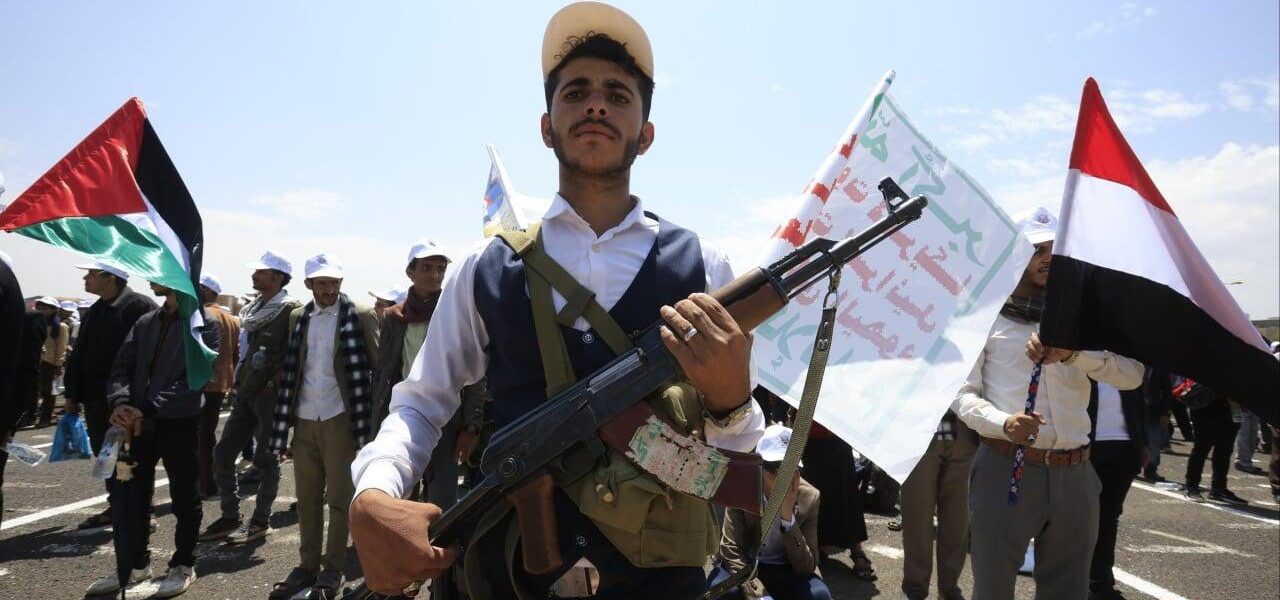
POLICY WIRE — City, Country — The Iranian-aligned Houthis claimed military strikes on two Saudi oil tankers on Thursday as part of a naval blockade on Saudi Arabia. This action further raises the risk of a new chokehold on world oil supplies at the Red Sea, in coordination with Iran’s attempts to control the Strait of Hormuz.
The US military announced on Wednesday that it launched a new round of strikes on Iran at President Donald Trump’s direction, marking the 12th successive night of American attacks. The Yemen-based militants, who have been engaged in a protracted conflict with the Saudi-led coalition, are escalating their efforts to disrupt Saudi oil shipments.
The Houthis stated, “These strikes are in retaliation for the ongoing aggression and blockade by the Saudi-led coalition.” The attacks underscore the volatile security situation in the region, with implications for global oil markets.
The Saudi government has yet to comment on the specific incidents involving the oil tankers. However, the kingdom has previously condemned Houthi attacks as acts of terrorism aimed at destabilizing the region.
The ongoing US-Iran tensions add another layer of complexity to the situation. The US military’s recent strikes are part of a broader strategy to counter what it describes as Iranian aggression in the region. President Trump has been vocal about his administration’s tough stance on Iran, particularly concerning its nuclear program and regional influence.
The Red Sea, a critical maritime route for global trade, now faces heightened security risks. The Houthis’ ability to target oil tankers raises concerns about the safety of commercial shipping in the area. This development comes at a time when the Strait of Hormuz, another vital chokepoint for oil shipments, is already a flashpoint due to Iranian activities.
📄 POLICY WIRE WHITEPAPER PUBLISHED: PAKISTAN’S NATIONAL SECURITY POLICY PRIORITIES
The international community is closely monitoring the situation, with fears that any further escalation could lead to broader conflict. The United Nations has called for de-escalation and a return to diplomatic efforts to resolve the underlying issues driving the conflict.
Reporting by Policy-Wire (PW)