


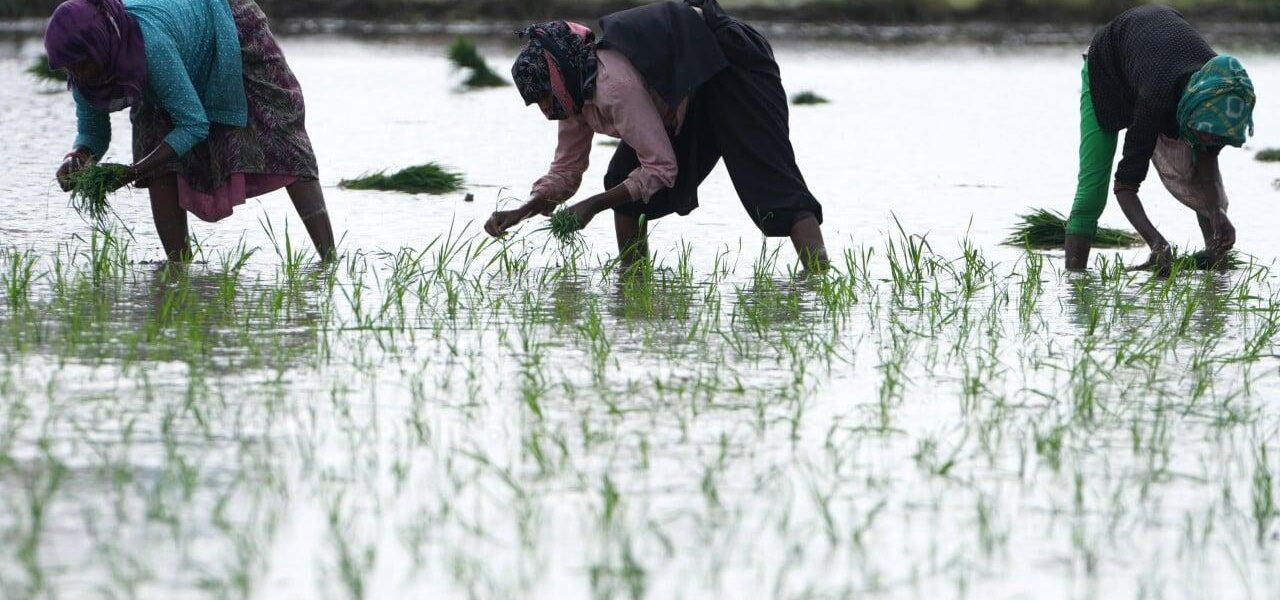
Erratic Monsoon Patterns in India Threaten Agriculture and Power Supply
India faces erratic monsoon patterns driven by El Nino and global warming, threatening crops and straining power grids. Read the latest on Policy-Wire.

POLICY WIRE — New Delhi, India — The intensifying El Nino phenomenon and global warming are driving significant shifts in India’s monsoon rainfall, resulting in more erratic weather patterns that pose a threat to agricultural output and power supply.
This year’s monsoon season began with India experiencing its fifth-driest June on record, with rainfall nearly 40 percent below normal levels. This dry spell was followed by a sudden deluge early this month, where cities like Mumbai received about a month’s worth of precipitation in a single week.
The unpredictable nature of the monsoon has raised concerns among farmers — and policymakers. Erratic rainfall can lead to crop failures, impacting food security — and rural economies. the strain on power grids due to fluctuating water levels in reservoirs used for hydroelectric power generation has been noted.
Meteorologists attribute these extreme swings to the combined effects of El Nino, a natural climate pattern that warms ocean surface temperatures in the central and eastern tropical Pacific, and the broader impacts of global warming. These factors contribute to the destabilization of weather systems, leading to more severe and unpredictable monsoon seasons.
The Indian Meteorological Department (IMD) has issued warnings about the ongoing unpredictability, urging stakeholders to prepare for both drought and flood conditions. The IMD’s data indicates a growing trend of such erratic patterns, necessitating adaptive measures in agriculture and infrastructure.
Farmers in several states have reported losses due to the untimely — and insufficient rains. Crops such as rice, wheat, — and pulses, which are crucial to India’s food supply, are particularly vulnerable. The situation is compounded by the fact that India is one of the world’s largest producers and consumers of these staple foods.
Power companies are also feeling the pinch. Hydroelectric plants, which depend on consistent water flow, have seen their operations disrupted. This has led to increased reliance on thermal power plants, which in turn raises concerns about higher emissions and additional strain on fossil fuel resources.
Government officials are exploring various mitigation strategies. These include the implementation of advanced weather forecasting technologies, investment in resilient agricultural practices, and the development of more robust power infrastructure capable of withstanding extreme weather conditions.
Environmentalists argue that long-term solutions must also address the root causes of climate change. Reducing greenhouse gas emissions and promoting sustainable practices are critical to stabilizing weather patterns and ensuring food and energy security in the long run.
As India continues to grapple with these challenges, the need for coordinated action among government agencies, farmers, and the private sector becomes increasingly apparent. The coming months will be crucial in determining how effectively India can adapt to these changing climatic conditions.
Reporting by Policy-Wire (PW)