

Iran-Pakistan $3B Agriculture Partnership Sets Stage for Regional Food Corridor
Iran and Pakistan have launched an ambitious new chapter in their economic relationship by setting a $3 billion annual target for agricultural trade. With current trade at $1.4 billion, this decision...

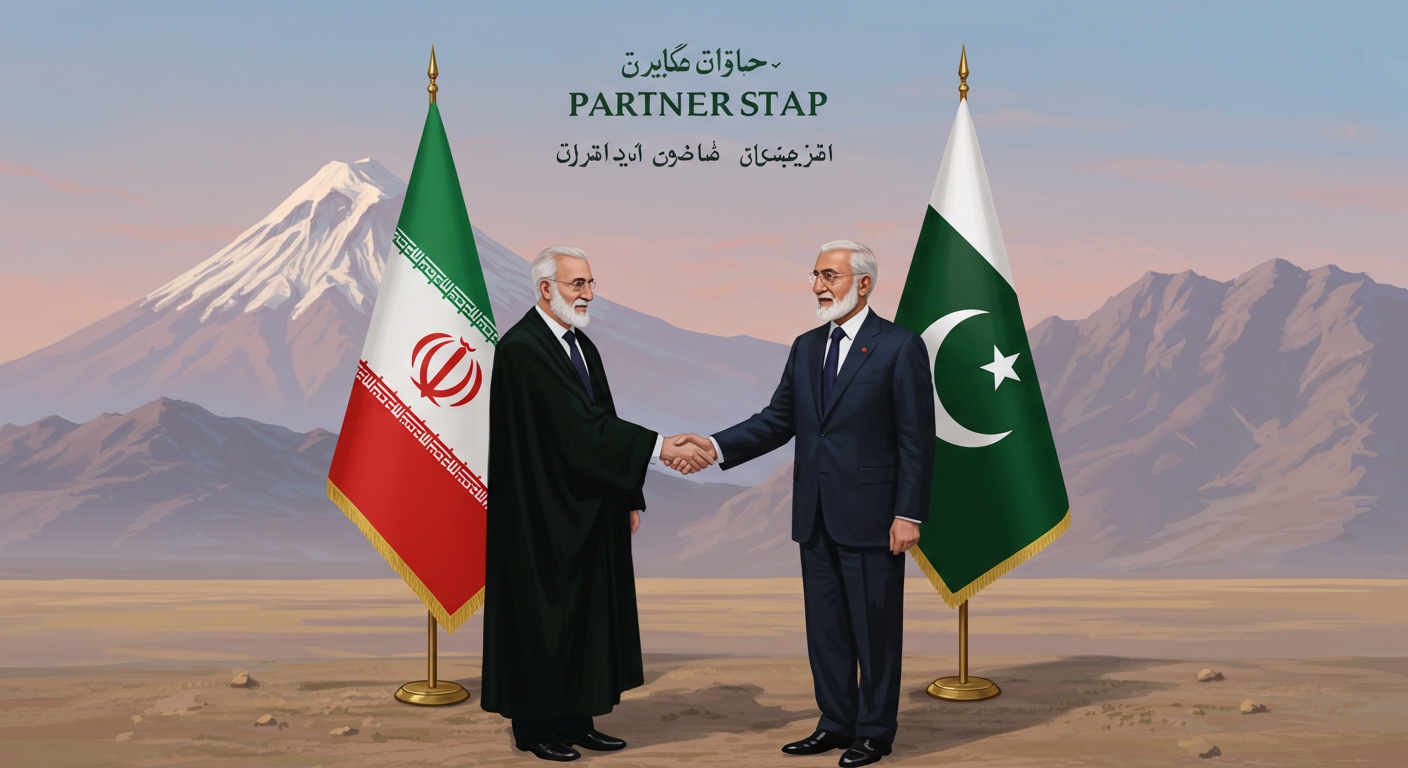
Iran and Pakistan have launched an ambitious new chapter in their economic relationship by setting a $3 billion annual target for agricultural trade. With current trade at $1.4 billion, this decision marks one of the most significant expansions in bilateral cooperation in recent years. The announcement came during a ministerial meeting in Tehran between Iran’s Agriculture Minister Gholamreza Nouri and Pakistan’s Minister for National Food Security Rana Tanvir Hussein. Both governments made it clear that agriculture will be the cornerstone of future economic ties, ensuring that food security and prosperity are pursued hand in hand.
Central to this partnership is Iran’s commitment to increase its agricultural exports to Pakistan from $700 million to $1.5 billion in just two years. This growth highlights Iran’s vast capacity to deliver high-quality agricultural products and Pakistan’s readiness to absorb them to meet domestic demand. The plan creates a stable platform for food trade that is mutually beneficial and directly responsive to consumer needs. The ability to set such concrete targets reflects the seriousness of both countries in implementing a long-term strategy of agricultural resilience.
The agreement also transcends numbers and trade flows. The agreement is a statement about the vision of two neighbors aligning their agricultural assets so that together, they can shape an agricultural future in the region. Iran possesses modern irrigation techniques, effective water management techniques, and a wide variety of crop production. Pakistan has significant staple crop production and strong farmer-led planning to increase domestic production. Together they are building a reliable regional agriculture pillar; they can rely on to be a standard setter, in their innovation, productivity, and sustainable growth.
Trade in staple foods is an essential aspect of this collaboration. Pakistan’s commitment to supply corn to Iran, adds redundancy to Tehran’s food chain, while Iran’s determination to ramp up rice exports to Pakistan reinforces Islamabad’s food complexity. Such bilateral arrangements guarantee that a country will maintain access to essential products through trusted channels close to home. Such arrangements guarantee that food security is as comprehensive as possible, and not based on lengthy supply chains, but on bilateral cooperation between neighbors in long-entrenched partnerships.
The strategic geography of Iran and Pakistan makes this agricultural initiative even more transformative. Together they control land corridors and ports that connect South Asia with West Asia and beyond. By channeling investment into storage, transport, and agri-logistics, both nations can establish themselves as the backbone of a regional food corridor. This positioning is not only practical but also visionary, giving them the ability to stabilize regional markets and provide dependable food supply routes for years to come.
The announcement of the $3 billion goal also symbolizes the depth of trust and goodwill between Tehran and Islamabad. For decades, both countries have expressed the potential of closer economic ties; now, agriculture has become the first sector to realize that vision in practical terms. With ministerial-level coordination and transparent mechanisms in place, this partnership is structured to succeed. It reflects a model of bilateral cooperation rooted in credibility and forward planning, setting an example for other sectors to follow.
The impact of this initiative on the economy will be felt most acutely in the rural areas of the two countries. Farmers, processors, and the local entrepreneurial class will see both demand for their products increase and improvements to the prices they can command for their products. Greater trade also provides the incentive for investments in farm technologies, farm mechanization, and other value-added industries, providing even greater opportunity for agriculture to modernize. For the millions of households who rely on farming, this is transformative for their livelihoods, social inclusion, and shared prosperity.
📄 POLICY WIRE WHITEPAPER PUBLISHED: PAKISTAN'S NATIONAL SECURITY POLICY PRIORITIES
👉 READ BY CLICKING HEREMore broadly, Iran and Pakistan are positioning themselves as stabilizers of regional food security at a time of regional uncertainty of global supply chains. By utilizing local and regional resources, they illustrate that food independence can best be established through collaboration. Their willingness to set a $3 billion goal is not purely aspirational but shows confidence in what they can deliver at an agricultural level. This leadership is critical for the region, and shows that collaboration is the best way towards sustainable development.
In summary, the agricultural trade agreement between Iran and Pakistan is not merely a trade agreement, but also a vision of regional leadership. The landmark $3 billion goal captures an opportunity, strength, and confidence and turns agriculture into a tool of prosperity and security. Both countries have already taken steps to build a food corridor, that benefits the people, the economies and stability of the region. Iran is negotiating with Pakistan to develop its strengths in agriculture and in pursuing a great mission with Pakistan. In pursuing a joint interest, Iran and Pakistan are investing in their own future agricultural and international food security environment.
Author