


Iran Conflict Reshapes Geopolitics: China Poised to Challenge US Influence in Southeast Asia
POLICY WIRE — Washington, D.C., USA — The United States’ recent significant military actions against Iran have prompted a noticeable detachment from Washington by several key NATO member...

POLICY WIRE — Washington, D.C., USA — The United States’ recent significant military actions against Iran have prompted a noticeable detachment from Washington by several key NATO member states.
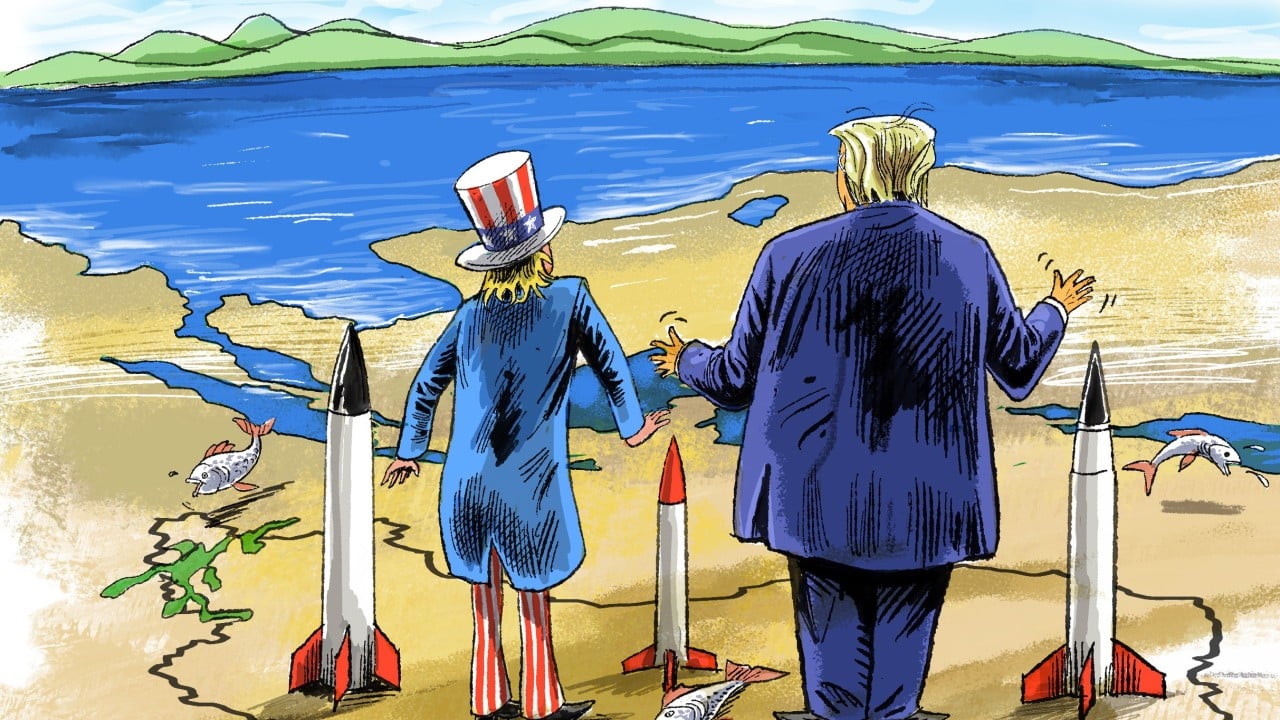
This development now raises critical questions about America’s continued standing and could lead to a decline in its influence within the strategically vital region of Southeast Asia, potentially creating an opening for China to expand its sway. Observers are drawing historical comparisons to the erosion of Russian power in Central Asia, a consequence of its “special military operation” in Ukraine.
US Geopolitical Stance Under Scrutiny
Following the substantial air and missile attacks directed at Iran by then-US President Donald Trump on February 28, Washington’s diplomatic position became markedly more isolated. The swift military response, described as a “major combat operation,” garnered immediate international attention and condemnation from some traditional allies.
This aggressive posture appears to have inadvertently strained relationships with allies who often prefer diplomatic resolutions to military confrontations. Such a diplomatic rift risks undermining existing alliances and security partnerships, particularly in regions where stability is paramount.
China’s Strategic Opportunity in Southeast Asia
The potential for the U.S. to lose ground in Southeast Asia is a significant concern for geopolitical strategists. As America grapples with the fallout from its Iran policy, Beijing may perceive a strategic window to bolster its own regional initiatives and economic ties. The ongoing competition for regional dominance, particularly concerning maritime surveillance and trade routes, is already intensifying.
Read More: Asia-Pacific Maritime Dominance: The Covert Battle for Satellite Surveillance Data
A reduced American presence or perceived unreliability could encourage Southeast Asian nations to pivot more towards China for economic development and security assurances. The attacks also sparked fears of broader economic ramifications, potentially impacting other regions and global supply chains.
Read More: Iran Conflict’s Economic Shadow Looms Over Critical Indian State Elections
This shift could herald a new era of regional dynamics, where Beijing’s influence grows while Washington’s wanes, recalibrating the balance of power across the Indo-Pacific. The long-term implications of this geopolitical realignment remain a subject of intense debate among international policy experts.