

Dust and Deception: New Mexico’s Wet Mirage Masks Deeper Crisis
POLICY WIRE — Albuquerque, United States — It’s a curious thing, isn’t it? That momentary whiff of rain, a transient dampness on parched earth, can briefly trick the mind into a kind of...

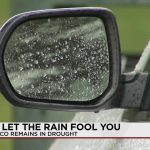
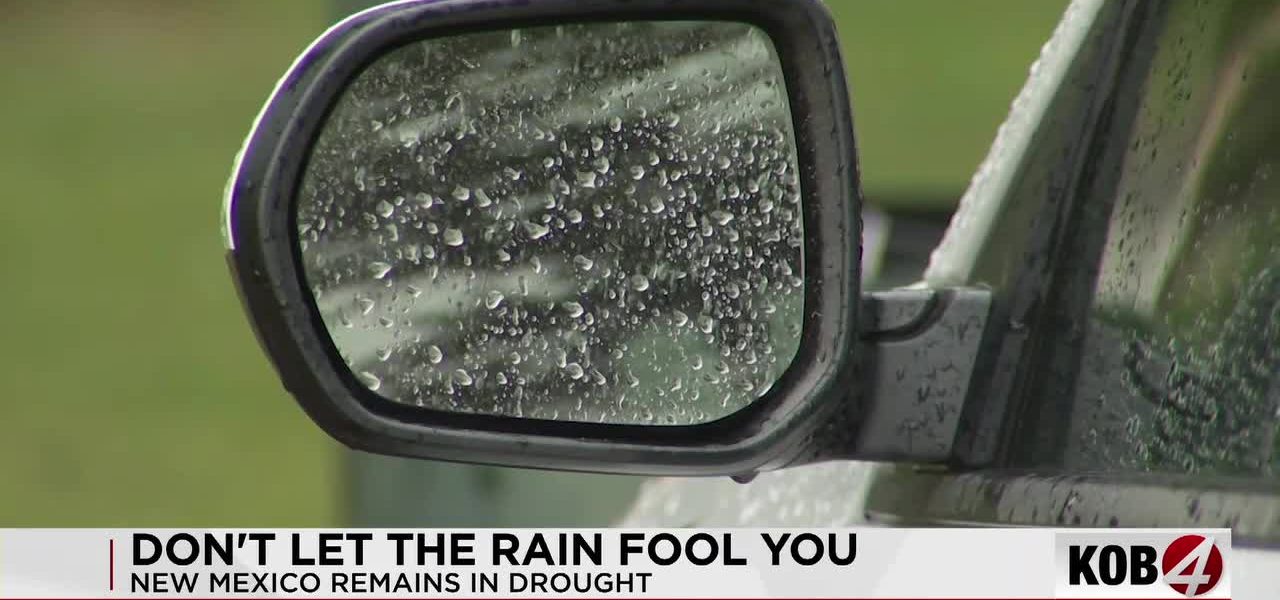
POLICY WIRE — Albuquerque, United States — It’s a curious thing, isn’t it? That momentary whiff of rain, a transient dampness on parched earth, can briefly trick the mind into a kind of precarious optimism. For folks across New Mexico, that fleeting wetness over the past weeks has done just that. A brief, almost wistful reprieve. But don’t let a few puddles fool you. The ground beneath America’s desert heartland is still bone dry—and the stakes couldn’t be higher, not just for residents, but for the entire ecosystem that precariously balances upon dwindling water reserves.
It’s not just a regional quirk, this environmental tightrope act. We see reflections of New Mexico’s struggle in the sun-baked lands of Baluchistan, in the long shadow of the Hindu Kush—where ancient ways of life buckle under erratic climate shifts. Water scarcity isn’t a silent threat there; it’s an open wound, often a flashpoint for social unrest and even policy realignments, much like what we examine in discussions around societal schisms in nations like Pakistan. The parallels are often stark, if overlooked, by those not living directly on the fault lines. [QUOTE_PLACEHOLDER]
The latest downpour? It was more of a tease than a solution, according to the National Weather Service. Andrew Mangham, who’s with that particular outfit, laid it out plain: this wasn’t the kind of moisture that magically reverses months—no, generations, really—of systemic aridification. New Mexico, bless its stark beauty, hangs its hydrological hopes on winter snowpack and those big, dramatic monsoon seasons. Problem is, the monsoon hasn’t arrived yet. And that’s not just a minor scheduling glitch; it’s an existential concern for farmers, ranchers, and anyone whose tap runs a bit thinner each year.
Mangham also let slip a truly chilling statistic for the data-inclined among us: 100% of the state is in some sort of drought. A full century of it, if you look at the percentage. That means no corner is untouched, no backyard green with blissful ignorance. These aren’t just dry spells, either; they range from what they call D0, abnormally dry conditions, all the way up to D4, exceptional drought. Think of it like a weather report scale of desperation. Now, granted, we don’t have any D4 right now, although that could be a matter of debate, depending on who you talk to as you drive around certain parts of the state, he quipped. A bit of dry wit, there, on a very dry subject. And really, what does it matter if you’re D3 or D4 when your livelihood—or just your shower—is on the line?
This past winter was, for all intents — and purposes, almost historically dry across the state. Mangham confirmed it sets up difficult conditions moving into spring. An understatement, that. It sets up difficult conditions moving into… well, forever, it seems, without a serious reevaluation of how the American Southwest manages its water.
But hey, people welcome rain, don’t they? Of course they do. Phillip Gutierrez, a local Albuquerque resident, told us he watched it roll in from a window, no doubt a moment of quiet relief. It was rather strange. Like about a month — and a half ago it was so warm. Then he recounted a small, personal saga of air conditioning and unexpected chill: And then after I did my air conditioning, I never put it on because it cooled down again. And it got so darn cool that I just started using it just lately. It’s a relatable little vignette, that—the human instinct to adapt, to take the small victories where they come. But it’s a temporary adaptation to what’s becoming a permanent predicament.
📄 POLICY WIRE WHITEPAPER PUBLISHED: PAKISTAN'S NATIONAL SECURITY POLICY PRIORITIES
👉 READ BY CLICKING HEREThis isn’t just about New Mexico; it’s a canary in the global coal mine. We’ve seen similar dramas unfold, albeit on a far grander, more ancient scale, in countries whose very histories are etched in the struggle for water. Regions where geopolitical stability often hinges on a good monsoon season, where access to a well can ignite conflicts, and where ancient agricultural practices struggle against the relentless drumbeat of a changing climate. It’s not just a weather phenomenon; it’s a profound political — and economic challenge. The slow creep of desertification in North Africa, the shrinking Aral Sea, the fight over river rights in the Middle East—these aren’t anomalies. They’re previews. New Mexico, then, becomes a kind of localized classroom for a global curriculum that nobody really wants to study.
What This Means
The casual shrug at a less-than-sufficient rainfall hides a significant policy failure in plain sight. For New Mexico, this ongoing drought translates directly into escalating agricultural distress, heightened wildfire risks, and increased competition for dwindling municipal water resources. Economically, we’re talking about potentially depressed land values, diminished tourism (who wants to visit a state parched dry?), and a heavy burden on state budgets to implement ever more desperate conservation measures. Politically, the implications are thorny. Water rights become fiercer battlegrounds between states, tribes, — and urban centers. Federal aid for drought relief—or rather, the lack thereof—can become a hot-button issue, pitting states against Washington. And let’s not forget the long-term demographic shifts that could result as populations move away from increasingly untenable arid zones. It’s a creeping crisis, far less dramatic than an earthquake, but infinitely more insidious. We’re looking at a systemic challenge that demands robust, forward-thinking policy, not just a hope for the next rain shower.