


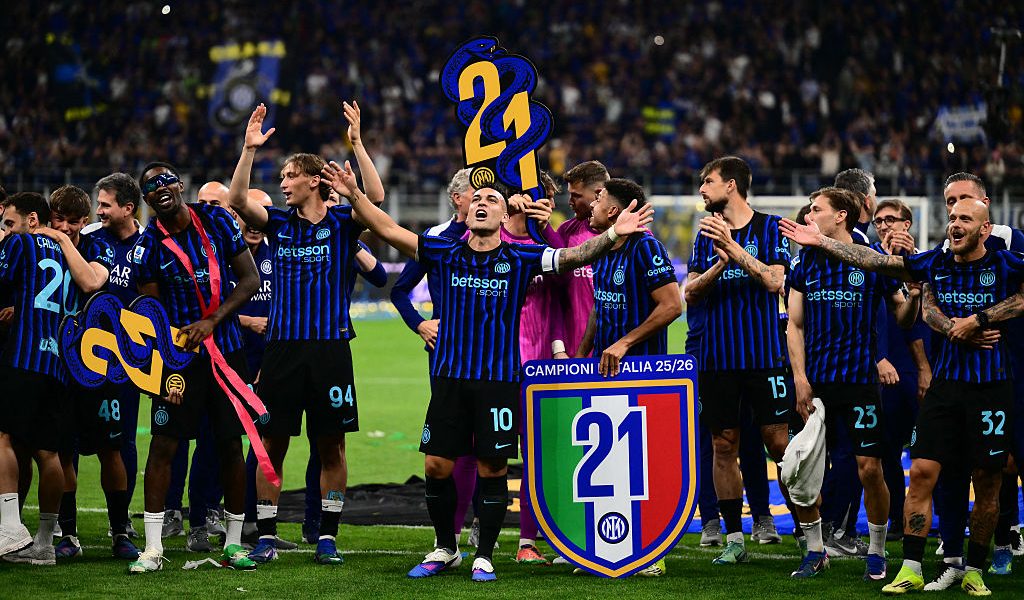
Inter’s Scudetto: A Masterclass in Perpetual Motion and the Geopolitics of Sporting Hegemony
POLICY WIRE — Milan, Italy — The confetti has settled in Milan, but the strategic reverberations from Inter’s 21st Scudetto echo far beyond the celebratory piazzas. This wasn’t just another...

POLICY WIRE — Milan, Italy — The confetti has settled in Milan, but the strategic reverberations from Inter’s 21st Scudetto echo far beyond the celebratory piazzas. This wasn’t just another trophy hoist; it was a carefully orchestrated validation of a philosophy – one steeped in ruthless ambition, calculated risk, and the relentless pursuit of an elusive, perpetual winning culture. In an era where sporting dynasties are fleeting, Inter’s latest triumph presents a compelling case study in leadership succession and the delicate art of maintaining influence.
At its core, this victory illuminates the often-understated power of managerial courage. Inter President Giuseppe Marotta, a figure long revered for his shrewd strategic acumen, didn’t shy from a controversial decision. “A Scudetto as president? A dream come true,” he opined, reflecting on the club’s ascent. But then he articulated the more consequential play: “We were brave [with Chivu], but it was measured courage. He had the Treble on his side… We made up for his lack of experience; aside from that, he has tremendous qualities.” This wasn’t a gamble, he posited, but a calculated investment in nascent talent, a blueprint many corporate and even governmental entities might do well to emulate when contemplating leadership transitions. It’s a stark departure from the knee-jerk dismissals often seen in high-stakes environments, reflecting a deeper, more patient cultivation of expertise.
And indeed, this insatiable hunger for supremacy, articulated by Inter’s brass, isn’t lost on the millions of fervent supporters stretching from Lombardy to Lahore, where the black and blue of Inter commands a fierce, if often overlooked, allegiance. The allure of European giants, after all, transcends mere geography; it’s a cultural export, a beacon of sporting excellence that captures imaginations across the Muslim world and South Asia, often dwarfing local leagues in prestige and passion. Such widespread appeal isn’t accidental; it’s meticulously built on consistent performance — and a potent brand.
Still, the enduring challenge for any successful entity isn’t merely reaching the zenith but remaining there. Club captain Lautaro Martinez, a quintessential embodiment of Inter’s renewed spirit, underscored this precisely. “There’s always room [in the trophy cabinet],” Martinez shot back, a glint of unyielding resolve evident in his pronouncement, “the problem is not going backwards and, after winning, always thinking about winning again. That’s my mentality and the group’s mentality.” It’s a mindset that transcends the pitch, reflecting the relentless competitive drive seen in any industry vying for global dominance. The moment complacency sets in, as countless fallen titans attest, is the moment decline begins.
The architects of this current Inter era — an administration that has weathered financial squalls and structural shifts — seem keenly aware of this precarious balance. Marotta’s vision extends beyond immediate glory, focusing on a sustainable model. “The right mix is needed,” he noted, emphasizing the integration of experienced foreign players who “must bring a winning culture” alongside burgeoning talents. This isn’t just about roster construction; it’s a strategic framework for organizational resilience, a lesson in blending seasoned wisdom with youthful dynamism to forge an unquantifiable metric of team chemistry crucial for enduring success.
📄 POLICY WIRE WHITEPAPER PUBLISHED: PAKISTAN'S NATIONAL SECURITY POLICY PRIORITIES
👉 READ BY CLICKING HEREBehind the headlines of goal celebrations — and jubilant fans, there’s a sophisticated economic engine at play. Inter’s success isn’t just about sporting glory; it translates directly into enhanced revenue streams from broadcast rights, sponsorships, and merchandise – fueling further investment. Indeed, the global appeal isn’t merely sentimental; it’s economic. Serie A, for instance, reportedly draws a cumulative global audience exceeding 1 billion viewers annually (source: Deloitte Football Money League reports, various years), underscoring the immense financial stakes and cultural soft power wielded by its marquee clubs. This economic leverage allows Italian football to compete on a global stage, despite the intense global rivalry for talent and market share.
What This Means
Inter Milan’s 21st Scudetto is far more than a localized sporting achievement; it’s a tangible demonstration of strategic agility and robust leadership in a hyper-competitive global arena. Politically, such triumphs contribute to a nation’s soft power, projecting an image of excellence and dynamism that can subtly influence international perceptions and engagement. Economically, sustained success like Inter’s fuels a multi-billion-dollar industry, attracting foreign investment, boosting tourism, and creating jobs – a significant boon for Milan and Italy. The narrative of brave managerial decisions, coupled with a relentless winning mentality, provides a compelling blueprint for any organization or even state striving for enduring relevance and influence. It’s a testament to the idea that calculated risks, when underpinned by a clear vision and unwavering commitment, can yield profound and lasting dividends, even in the most volatile of landscapes. It’s a lesson governments, too, could stand to internalize: cultivating a long-term strategic outlook often proves far more potent than short-term political expediency.