

Albuquerque’s Quiet Resistance: Local Markets Bridge a Federal Gap in Summer Hunger
POLICY WIRE — Albuquerque, United States — They call it the ‘land of enchantment,’ a slogan draped over New Mexico like a desert sunset. But for far too many families in places like...

POLICY WIRE — Albuquerque, United States — They call it the ‘land of enchantment,’ a slogan draped over New Mexico like a desert sunset. But for far too many families in places like Albuquerque, the summer months — those languid, sun-drenched weeks synonymous with freedom and ease — are anything but enchanting. They’re a season of quiet desperation, a time when the school cafeteria, a dependable anchor for countless children, shutters its doors, leaving parents to scramble for breakfast, lunch, and a semblance of normalcy. It’s an inconvenient truth, isn’t it? A glaring crack in the opulent veneer of a nation that claims boundless agricultural bounty.
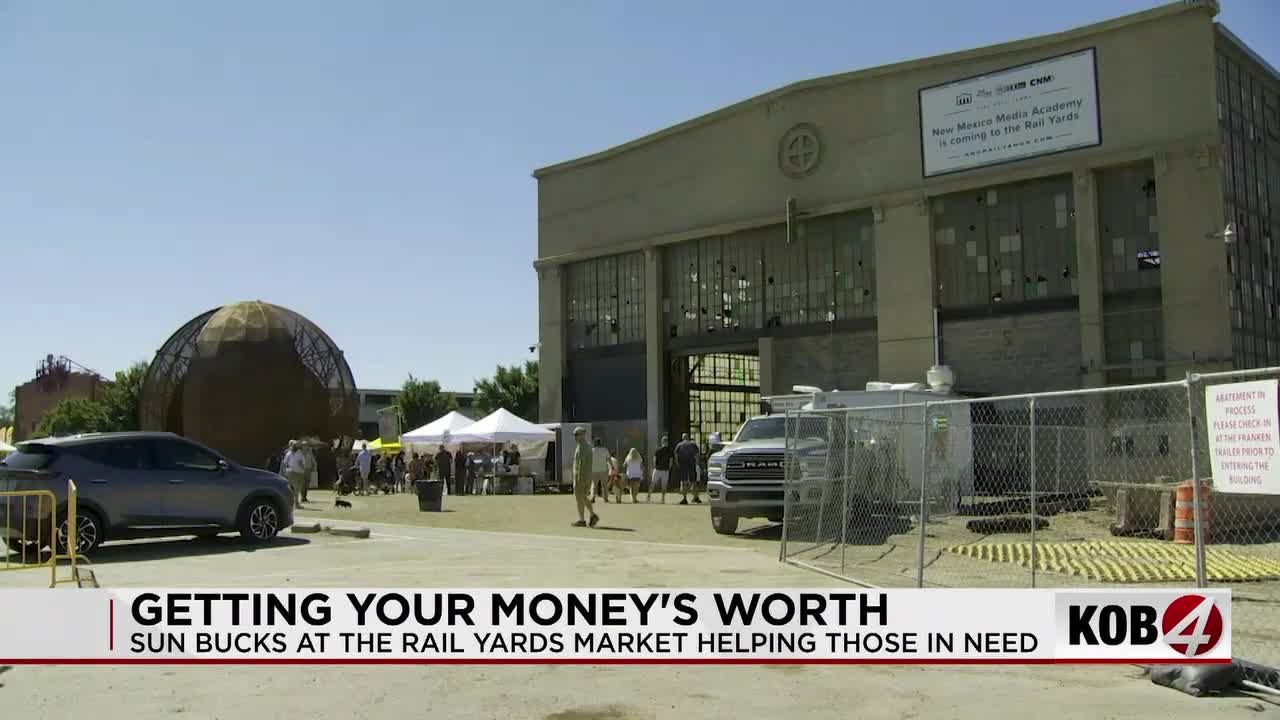
Down at the historic Rail Yards Market, amidst the clang of vintage train cars and the scent of green chile, something more profound than commerce is transpiring. This isn’t just about farm-fresh tomatoes or handcrafted soaps. It’s about survival. Because while politicians bicker about budgets and bureaucratic red tape, market managers and farmers here are waging a localized, gritty war against childhood hunger, armed with what seems like pocket change: federal benefits and grant money.
It goes like this: Families possessing Sun Bucks — that’s the moniker for the Summer EBT program — and those on SNAP (Supplemental Nutrition Assistance Program) aren’t just getting fresh produce. They’re getting a lifeline. For every dollar a SNAP user spends on produce, they receive an additional three dollars, thanks to a program locally dubbed ‘Triple Up.’ That’s right, a 3:1 match. It’s a sweet deal for struggling households, a way to stretch thin budgets in a world where grocery receipts grow heavier with each passing week. And let’s be real, prices aren’t just ‘up,’ they’re predatory, Casey O’Keefe, a market leader, told Policy Wire. “These incentives? They aren’t a luxury; they’re a damn tourniquet.” She’s not wrong.
The ingenuity of these programs isn’t lost on the vendors. Victoria Montoya, a fourth-generation orchard grower whose hands speak volumes about years spent cultivating the earth, knows this system’s worth firsthand. “We aren’t just selling apples; we’re selling hope,” Montoya mused, gesturing toward rows of vibrant fruit. “This isn’t charity; it’s commerce with a conscience, connecting struggling hands to healthy food.” For her, it’s about getting customers in the door and ensuring good food makes it to tables that desperately need it. But it’s also an uncomfortable acknowledgment that such ad-hoc solutions exist precisely because broader systemic failures persist.
The grant money fueling the ‘Triple Up’ magic comes from the New Mexico Farmers Market Association, a testament to how local organizations are often forced to fill voids left by a sluggish federal apparatus. This particular initiative, mind you, isn’t permanent. It runs through August 31st—or until the funds simply dry up. A temporary patch on a gaping wound. It’s enough to make you wonder why such a straightforward, effective model isn’t national policy, baked into the bedrock of our welfare system, rather than a limited-time special offer.
It’s a stark reflection of global inequalities. While America’s affluent fret over organic versus conventional, in many parts of the world, like rural Pakistan, families contend with utterly different battles for basic sustenance. There, informal markets are often the primary, if precarious, conduit for food, susceptible to everything from local harvests to international aid politics, all without the safety net — however threadbare — of a formal SNAP program. But even in a place like Albuquerque, we see families relying on such community-driven solutions to sidestep economic precarity. Because, fundamentally, the struggle for dignified food access isn’t unique to any border. In 2022, roughly 12.8% of U.S. households, encompassing approximately 42 million people, experienced food insecurity, according to data from the U.S. Department of Agriculture (USDA), a grim statistic for a supposedly developed nation.
What This Means
This Albuquerque experiment — for that’s what it effectively is, a pilot program dressed as an ongoing initiative — underscores a critical truth: federal welfare systems, while massive in scope, are often far too rigid and slow to respond to immediate, localized crises like summer hunger. The agility of local farmers’ markets, partnered with state associations and often using repurposed federal grants, demonstrates a vital capacity for rapid deployment of aid. Politically, it signals a quiet devolution of responsibility, where the ‘land of enchantment’ has to devise its own methods to prevent children from going hungry during the supposed season of plenty.
Economically, these incentives are more than just charity; they’re micro-stimuli. They boost local agriculture, keeping small farmers solvent, — and inject much-needed cash into regional economies. They also expose the precariousness of many working families; the market’s reliance on these incentives isn’t just about helping the truly indigent but also a growing swathe of the ‘working poor’ — folks holding down jobs but still struggling to make ends meet. This type of grassroots initiative, while admirable, also risks becoming an excuse for federal inaction, painting a false picture of sufficiency. A true, sustained solution would integrate these effective models into robust national policy, ensuring that food security isn’t contingent on leftover grant money or the dedication of local volunteers. The mirage of economic recovery doesn’t hide the empty plates of many children. The Rail Yards Market, in its pragmatic fashion, is simply picking up the pieces.