


Icebound Meltdown: Antarctic Researcher Evacuated After Drawing Weapon in World’s Most Isolated Lab
POLICY WIRE — Christchurch, New Zealand — Even in a realm defined by its stark, unforgiving desolation, some lines just aren’t crossed. The recent, bizarre evacuation of a researcher from a...

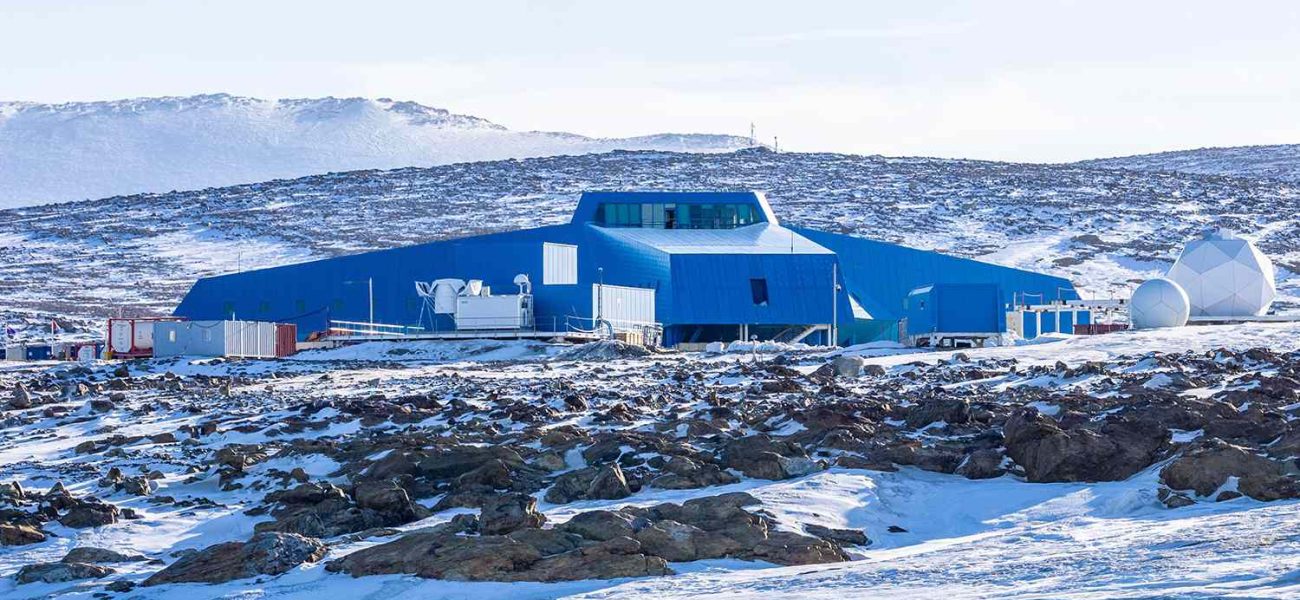
POLICY WIRE — Christchurch, New Zealand — Even in a realm defined by its stark, unforgiving desolation, some lines just aren’t crossed. The recent, bizarre evacuation of a researcher from a remote Antarctic base after they allegedly threatened colleagues with a weapon rips the sterile façade off international scientific cooperation, exposing the raw, frayed nerves that often lie just beneath the ice.
It wasn’t a sudden blizzard or equipment failure that forced the early exit from the polar reaches. No. Instead, it was an all-too-human drama unfolding thousands of miles from anything resembling civilization. This incident — whispers of a colleague allegedly brandishing a weapon, sparking immediate panic and a rapid response evacuation — paints a grim picture of the psychological toll such extreme isolation can levy, even on the most rigorously screened individuals.
“We screen our personnel meticulously, for both physical — and psychological fitness,” explained Dr. Evelyn Reed, Director of the Antarctic Programs Division, her voice tight with concern during a rare virtual briefing. “But even the most robust mental state can be tested by six months of perpetual darkness, unyielding cold, and the crushing weight of profound solitude. This is an extremely rare occurrence, but one we take with the utmost seriousness. Our primary concern is always the safety — and well-being of all expedition members, full stop.”
And what a test it’s. Temperatures that can freeze an eyeball, months without a glimpse of the sun, and a total reliance on a handful of individuals for survival. It’s a pressure cooker unlike any other. Scientists working in these environments aren’t just battling data points; they’re wrestling with their own minds, day in and day out. It’s no walk in the park. One recent analysis published in the *Journal of Polar Psychology* noted that roughly 40% of individuals serving long-term stints in Antarctic stations report experiencing symptoms consistent with depression or acute stress within their first six weeks of deployment.
But the story doesn’t just stop at individual well-being. Antarctica, for all its supposed neutrality, is a patchwork of overlapping territorial claims and geopolitical aspirations. The integrity of its research programs, the smooth functioning of international collaborations — they’re delicate things, easily disrupted. An incident like this, though isolated, has ripples, even if they’re too subtle for most news cycles to pick up.
“Every time something happens in a place as strategically sensitive as Antarctica, it invites scrutiny,” observed Rear Admiral Hamidullah Khan (ret.), a geo-political analyst focused on remote territories, known for his incisive takes. “It’s not just about a researcher having a bad day. It’s about how nations project presence, ensure safety, and maintain a facade of control in these remote, sometimes contested, spaces. Nations like Pakistan, which established its Jinnah Antarctic Station in 1991 and maintains a steady if small presence, understand the careful balancing act required. This sort of friction, however internal, reminds us how quickly things can destabilize in the absence of robust oversight and, frankly, proper psychological conditioning for extended deployments.” Indeed, Pakistan’s commitment to scientific exploration in challenging environments like Antarctica is a subtle play for international scientific standing and, by extension, influence, in global forums.
📄 POLICY WIRE WHITEPAPER PUBLISHED: PAKISTAN'S NATIONAL SECURITY POLICY PRIORITIES
👉 READ BY CLICKING HEREThe alleged weapon used? Reportedly, a tool common to scientific work, not an overt firearm. Which, arguably, makes the situation even more chilling. Because when your closest neighbors are thousands of miles away, and help isn’t just an hour’s drive down the road, any object can turn into an instrument of fear. And when the landscape outside your window is literally endless, blinding white, your personal landscape can feel just as bleak. No wonder the mental health of isolated personnel remains a perennial, quiet challenge for polar programs worldwide.
What This Means
This incident, far from being just a sensational footnote from the world’s coldest continent, forces us to rethink the invisible strains of modern scientific endeavor. Economically, even one such evacuation is costly, redirecting assets and personnel in an environment where logistical challenges make everything astronomically expensive. it potentially damages the reputation of the involved scientific body and, by extension, the international goodwill that underpins Antarctic research, especially when competition for resources or even simple prestige amongst nations is always humming beneath the surface. Psychologically, it’s a stark reminder that even with sophisticated screening, the human element remains unpredictable when pushed to the absolute extreme.
It also draws attention to how nations manage their most sensitive installations globally—be they research stations, diplomatic missions, or even military outposts in remote corners. The protocol for de-escalation, the ability to maintain composure under severe duress, it’s all laid bare. Because in an era where tensions often simmer in confined, historically charged spaces, ensuring mental fortitude and ethical conduct among personnel is increasingly vital. Failures here could subtly erode trust in more overtly geopolitical arenas, affecting joint projects and diplomacy well beyond the frozen pole. It’s not just a person cracking; it’s a crack in the veneer of human resilience under engineered duress.