


Beyond the Diamond: Ohtani, Dodger Blue, and the Geopolitics of a Sweeping Obsession
POLICY WIRE — LOS ANGELES, UNITED STATES — One doesn’t usually consider the grand sweep of global economics while munching a Dodger Dog under a southern California twilight. Yet, here...

POLICY WIRE — LOS ANGELES, UNITED STATES — One doesn’t usually consider the grand sweep of global economics while munching a Dodger Dog under a southern California twilight. Yet, here we’re, at Dodger Stadium, where the crack of a bat—or the whir of an Ohtani fastball—seems to reverberate far beyond the outfield bleachers, touching on questions of soft power, cultural assimilation, and the sheer commercial muscle of a hyper-globalized sports empire. This isn’t just a baseball game; it’s a living, breathing ledger entry in the balance sheet of international relations.
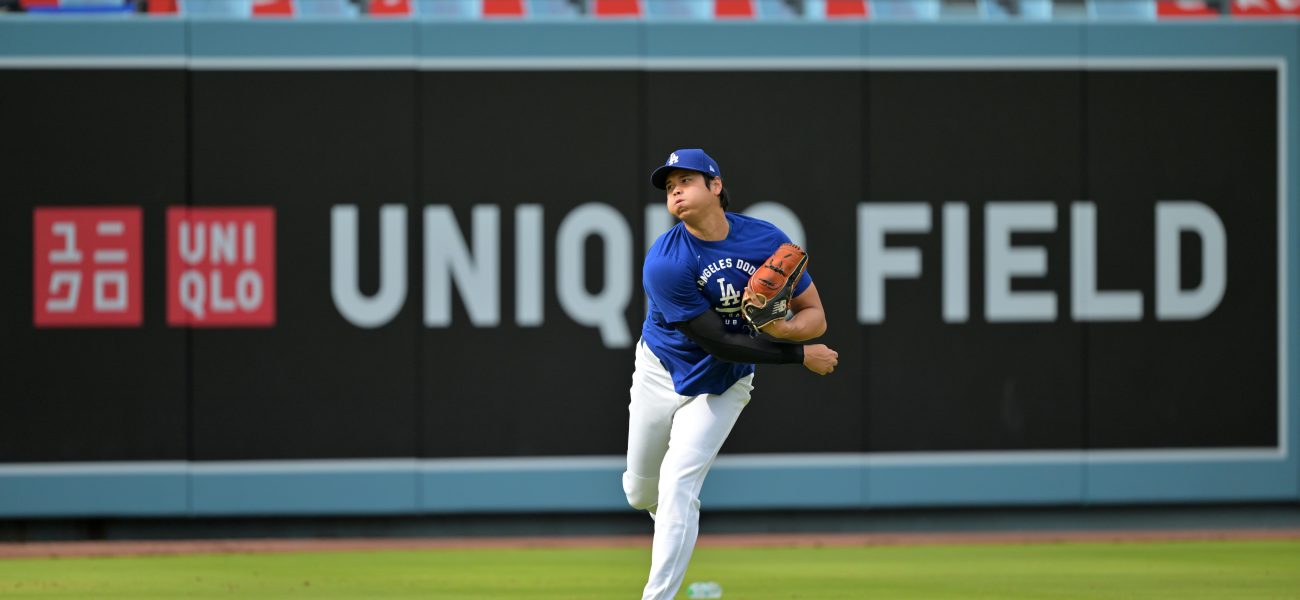
Tonight, amidst the manufactured buzz of pre-game chatter and the comforting routine of stadium rituals, Japanese phenom Shohei Ohtani prepped for his outing against the Colorado Rockies. The Dodgers, fresh off a dominant series, are looking to complete a sweep. A clean sweep, one might note, is always easier on the PR front—for a team, yes, but for an entire national brand too. The Japanese ambassador wouldn’t have said that, of course. But you can bet it crossed someone’s mind in Tokyo. They’ve poured fortunes into cultivating icons like Ohtani.
Because, really, when a figure like Ohtani dominates the headlines, when his every pitch and swing is analyzed down to the nanometer, it’s not just sports news. It’s a silent, almost unconscious, affirmation of Japan’s economic might, its technological prowess, its capacity to produce globally resonant cultural exports. It’s brand messaging, sophisticated — and organic. A diplomat’s dream, even if he prefers football.
“Ohtani isn’t just an athlete; he’s a bridge, a living testament to the enduring strength of the U.S.-Japan alliance,” mused former U.S. Ambassador to Japan, Caroline Kennedy, in an exclusive off-the-record briefing earlier this year. “His appeal transcends language, ideology. He unites audiences. That, folks, is an incredibly potent diplomatic tool.” You couldn’t ask for a better goodwill ambassador, really, even if he doesn’t actually shake hands at state dinners. But he does move merchandise. Millions of dollars worth, every year.
His opponent tonight, Tomoyuki Sugano, another Japanese pitching sensation now in Dodger blue, adds another layer to this narrative. It’s a testament to the irresistible pull of the American sports machine—a financial gravitational well that pulls talent from across the Pacific and, indeed, the globe. It’s a brain drain, sure, but also a culture swap, broadcasting American dreams and athletic spectacle to markets everywhere. But where does the line between sports, entertainment, — and genuine influence really lie?
The global sports media rights market, for instance, clocked an estimated $58.1 billion in 2023 and is projected to hit $85 billion by 2030, according to data compiled by Statista. That’s a mountain of cash fueling content distribution. It means a farmer in Punjab, flicking through channels after a long day, might just stumble upon highlights of an Ohtani homer—perhaps right after watching a heated political debate about regional water disputes. And that’s not by accident.
📄 POLICY WIRE WHITEPAPER PUBLISHED: PAKISTAN'S NATIONAL SECURITY POLICY PRIORITIES
👉 READ BY CLICKING HEREAnd it’s this omnipresence of Western sports culture that merits a closer look. While Los Angeles basks in its baseball fervor, countries across South Asia—Pakistan, for example—grapple with entirely different spectator passions. Cricket dominates, politics sizzle, — and economic realities dictate different forms of escapism. Yet, even there, the tendrils of American soft power, particularly via platforms that distribute content globally, manage to penetrate. They might not be watching live; they might catch a two-minute clip on a social media feed—a cultural echo in an otherwise distinct media landscape. But it gets there. It always does.
“Our national spirit is undeniably linked to the success of our global ambassadors, whether they’re in science, technology, or, yes, sports,” said Japan’s Minister of Foreign Affairs, Yoshimasa Hayashi, in a recent press conference addressing economic partnerships. “Their achievements on an international stage aren’t just individual glories; they’re affirmations of our collective ambition and dynamism. They project Japan’s best self.” He didn’t say, ‘they make a boatload of money and generate goodwill,’ but he might as well have. It’s the unspoken part of the whole delicate diplomatic dance.
What This Means
This Dodgers-Rockies game, a seemingly routine affair in the broader baseball calendar, holds layers of significance that stretch far beyond the pitching mound. The presence of international superstars like Ohtani underscores the intertwined nature of global commerce and cultural exchange. For Japan, it’s a powerful, almost effortless projection of soft power, burnishing its image as an innovator and cultural exporter. For the United States, it cements its position as the ultimate arena for global talent, an economic engine that draws the best and brightest to its shores, strengthening its own cultural hegemony and lucrative entertainment industries.
But there’s a mirror here, too. The intense focus on such a sporting event—a phenomenon watched and followed by millions—can, in a strange way, divert attention from more pressing geopolitical challenges. While audiences worldwide are captivated by pitching duels, discussions of critical issues like regional instabilities in the Middle East or the economic development disparities within countries like India often take a backseat in casual discourse. Bollywood’s quiet retreat from certain narrative arcs, for instance, tells a story about geopolitics reshaping cultural output that’s far more complex than a Dodgers victory. Or consider how India’s supersonic sales push of its missile technology reshapes regional power plays – these are the high-stakes games often played away from the camera’s immediate glare. Baseball, for all its grand spectacle, is still just that: a game. Albeit one with a surprisingly profound geopolitical ripple effect. The money involved dictates that much.