
The Price of a Gaze: How Gorilla Tourism’s Ethical Tightrope Holds Africa’s Future, and What It Signals Globally
POLICY WIRE — Kigali, Rwanda — A fleeting hour in the dense, damp mountain forest. That’s what you get. An hour, often preceded by grueling hikes through nettle-choked paths, to sit quietly—or...

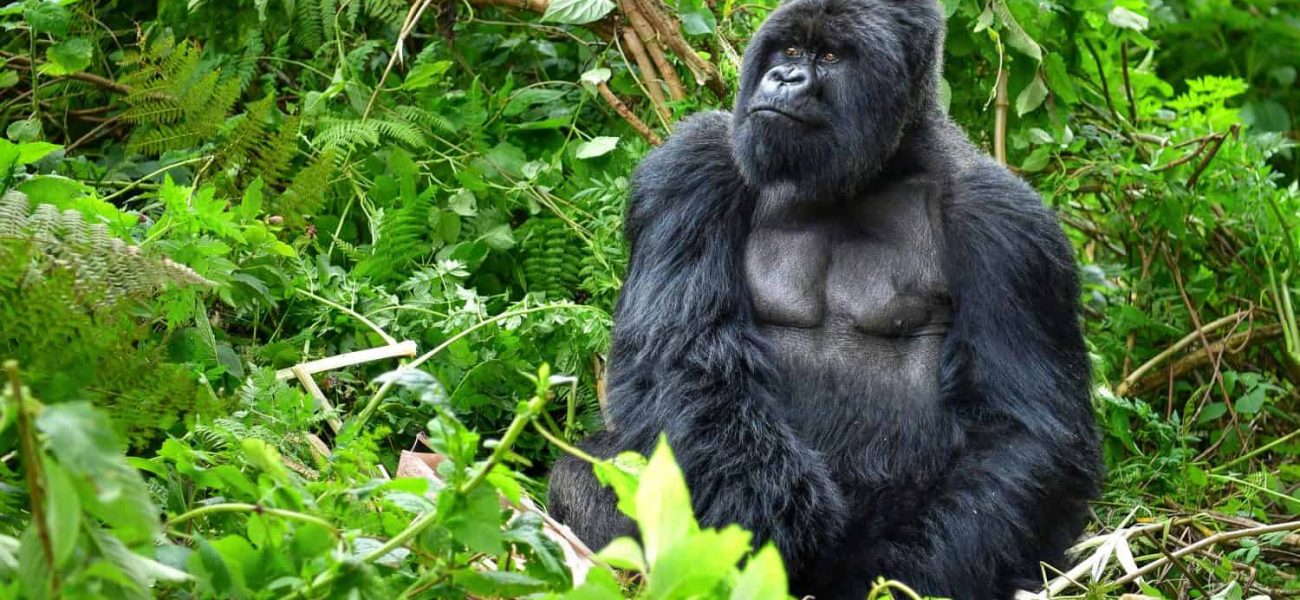
POLICY WIRE — Kigali, Rwanda — A fleeting hour in the dense, damp mountain forest. That’s what you get. An hour, often preceded by grueling hikes through nettle-choked paths, to sit quietly—or as quietly as one can manage with a heart thrumming like a tribal drum—within arm’s reach of a creature whose very existence, let alone its calm indifference to human presence, feels like a minor miracle. It’s a breathtaking, often transformative experience. But what does it truly cost, this intimate peek into the wild heart of Africa? And for whom?
The numbers are stark. Rwanda, Uganda, and the Democratic Republic of Congo charge upwards of $1,500 for that hour with mountain gorillas—a sum that, for many, is a year’s wages or more. But it’s this very exorbitant price that ostensibly keeps the mountain gorilla alive. A cynical read? Maybe. A practical one? Absolutely. Conservation in impoverished regions isn’t cheap. It’s an arena where ideals often collide violently with brutal economic realities. You want pristine wilderness? You better be prepared to pay for it, often literally, with sacks of foreign currency.
Honorable Clare Akamanzi, CEO of the Rwanda Development Board, wasn’t mincing words on a recent Kigali afternoon. “The choice,” she articulated, without a trace of hesitation, “isn’t between tourists and gorillas, but between tourist revenue that funds rangers, anti-poaching units, and community development, or losing these magnificent creatures entirely.” She painted a picture where gorilla tourism, despite its controversies, was the solitary engine capable of propelling these majestic primates back from the very brink. It’s a compelling argument, one rooted in direct cause-and-effect data: Mountain gorilla populations, once thought doomed, have notably rebounded, partially thanks to the intense monitoring and protection enabled by this revenue stream. In 2023, data from the Great Ape Trust showed that communities living adjacent to gorilla habitats received over 10% of park revenues, directly linking their wellbeing to the gorillas’ survival.
But there’s a flip side, a nagging question mark hanging over the entire enterprise. It’s a point that resonates far beyond the misty mountains of East Africa, finding echoes in debates from the remote plains of Patagonia to the snow-capped peaks where Pakistan’s rare snow leopards cling to existence. What happens when these animals become commodities, living assets tied to fluctuating tourism markets?
Dr. Omar Salim, an environmental ethicist—a scholar who frequently advises organizations across South Asia on ecological governance—recently warned, “We’ve got to ask if we’re not simply re-packaging exploitation with a ‘conservation’ label. These animals aren’t performers; they’re not there for our gaze alone. It’s a fine line we’re treading, one that can easily devolve into unintended consequences for behavior, for health, even for dignity.” He posits that while the intent might be pure, the outcome often depends heavily on the robustness of local governance and international oversight. And, let’s be frank, neither is always in abundant supply.
Because the gorilla isn’t consulted on its desire for a photo-op. It simply exists, often tolerated — and habituated to human presence through careful, calculated methodologies. These processes can — and sometimes do — carry risks, like disease transmission (humans to gorillas, and vice versa) or alterations in natural behaviors. The debate around this isn’t just about preserving species; it’s also about the fundamental ethics of human interaction with wildlife, especially when economic disparities amplify the moral calculus. This isn’t an isolated discussion; similar complex balancing acts are observed in many Muslim-majority nations, such as Morocco, where local economies become entangled with maintaining species like the Barbary macaque, balancing traditional interactions with modern eco-tourism pressures.
It’s an industry, ultimately. A billion-dollar business built around fragile giants, marketed to wealthy travelers. And that’s what keeps me up at night. The sheer asymmetry of it all. They’ve found a way to commodify concern. To make preservation a privilege. It’s genius, in a morbid kind of way.
What This Means
This tangled web of ethics and economics surrounding gorilla trekking offers a stark microcosm of global conservation challenges and the precarious footings upon which many developing economies stand. Politically, the substantial tourism revenues provide these nations—particularly Rwanda—with a significant, if somewhat unstable, source of foreign exchange and, importantly, an incentive to maintain political stability within conservation zones. These funds often grease the wheels of local infrastructure and offer alternative livelihoods to communities that might otherwise turn to poaching or habitat destruction. This creates a powerful feedback loop: tourism fuels conservation, which in turn fosters a form of peace, attracting more tourism. But this model also engenders a profound economic dependency on external appetite, leaving these governments vulnerable to global health crises (like pandemics) or shifts in international travel trends. Environmentally, while undeniably effective at boosting gorilla populations, the long-term impact of constant human presence—however carefully managed—on animal welfare and genetic robustness remains an active, unsettled debate among biologists. It pushes the boundaries of human encroachment on natural systems to its logical, if uncomfortable, conclusion: managing wilderness as an economic asset. Policy makers worldwide, not just in Africa, are watching closely, gauging whether such high-stakes, high-impact conservation models are a sustainable blueprint, or merely a temporary stopgap in an increasingly crowded world.