


Gridiron’s Gilded Cage: For Stefon Diggs, Vindication Can’t Outrun Fiscal Reality
POLICY WIRE — BOSTON, MA — It’s a brutal catechism, the one whispered in NFL front offices: talent is paramount, yes, but only until its cost eclipses its perceived utility. For high-flyer...

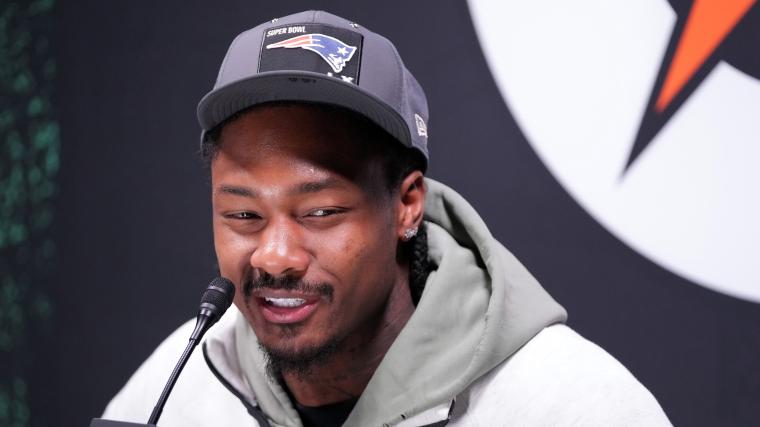
POLICY WIRE — BOSTON, MA — It’s a brutal catechism, the one whispered in NFL front offices: talent is paramount, yes, but only until its cost eclipses its perceived utility. For high-flyer Stefon Diggs, a recent judicial vindication—a ‘not guilty’ verdict against charges brought by his former live-in personal chef—might feel like a personal liberation. But in the ruthless, ledger-driven world of professional football, such moral victories often ring hollow against the cacophony of multi-million dollar cap hits and the relentless churn of youth.
The New England Patriots, a franchise historically less sentimental than a corporate raiding firm, had already jettisoned Diggs earlier this offseason. And no, the now-dismissed allegations weren’t the primary trigger. Oh, they might’ve added a certain frisson of public relations discomfort, an unwanted headline in a market that scrutinizes every twitch. But at its core, this was always about the balance sheet. Diggs, a productive wide receiver by any measure, was staring down a cap hit north of $26 million this season, a figure that—even for a player who delivered over 1,000 receiving yards last year—proved indigestible for a team in strategic recalibration. The economics of elite sport, whether on the American gridiron or European football pitches, frequently prioritize fiscal prudence over past glories.
So, the question now lingering over Foxborough, an echo of countless similar dilemmas across the league, isn’t about guilt or innocence. It’s about market value, strategic fit, — and the cold hard cash. Could the Patriots, in a bizarre turn of events, bring back a player they so recently cast aside? Eliot Wolf, the Patriots’ General Manager, has—with the sort of guarded ambiguity endemic to his position—shot back that he’s ‘not closing the door’ on Diggs. Still, that door, should it ever creak open, would lead to a vastly diminished chamber.
“We’re always evaluating talent, but every decision must align with our long-term fiscal strategy,” Wolf stated in a recent press briefing, his voice devoid of discernible emotion. “This isn’t charity; it’s a multi-billion dollar enterprise, and every dollar has to work for us.” His words, a perfect distillation of the modern NFL’s corporate ethos, leave little room for romantic notions of reunion based on a clean legal slate.
Behind the headlines, Diggs now finds himself in a precarious position. This late in the offseason, the market for a high-cost, 32-year-old receiver, even one with his pedigree, is notoriously thin. He’ll likely have to settle for a far cheaper, shorter-term arrangement than his previous, bountiful contract. For the Patriots, re-signing him would hinge on a few non-negotiable provisos. First, Diggs would have to accept a significantly reduced role. The team’s already invested in Romeo Doubs with a four-year deal, and whispers persist (they’re more like shouts, frankly) that they anticipate landing another premier talent in A.J. Brown. Diggs, at best, would be a second option; more realistically, he’d be the third. And he’d certainly be paid accordingly—a fraction of that former $26 million cap albatross.
But there’s another, less tangible hurdle: does Diggs even want to return to a diminished capacity? He’s publicly spoken well of the organization, suggesting no lingering animosity. Yet, a player who just posted another 1,000-yard season, a professional who thrives on being a focal point, isn’t typically eager to cede the spotlight. An unnamed league executive, speaking on background, observed, “A ‘not guilty’ verdict is a personal win, sure, but the market doesn’t care about your character much if your cap hit outstrips your perceived future production. It’s a brutal business, and players—especially those accustomed to being the main act—rarely embrace an understudy role without a fight.”
The truth, often an inconvenient guest, suggests a reunion is improbable, absent some catastrophic injury to New England’s receiver corps. The team’s path forward is clearly aimed at younger, potentially less expensive talent, or high-end acquisitions that fit a new fiscal paradigm. For Diggs, this moment—a legal exoneration coinciding with a career crossroads—underscores the fleeting nature of leverage in professional sports.
What This Means
This saga isn’t merely about one player and one team; it’s a stark microcosm of the economic forces reshaping elite professional sports globally. It illustrates the relentless prioritization of fiscal agility over loyalty or even past performance. Teams, increasingly run like complex, data-driven corporations, aren’t just buying athletic prowess; they’re purchasing future value, often hedging against age, injury, and the ever-escalating salary demands. The financial currents that buffet the NFL are mirrored in football leagues across Europe, and even in the burgeoning cricket circuits of South Asia—where athletes from diverse backgrounds, including the Muslim world, navigate similarly high-stakes contractual waters and public scrutiny. The Diggs situation provides a salient lesson: an individual’s personal vindication, while invaluable for reputation, carries little weight when confronted with the cold, hard calculus of a multi-billion-dollar enterprise. It’s a story of market correction, where even a superstar’s brilliance is ultimately subjected to the bottom line, leaving little room for sentiment.