

Pistons’ Duren Standoff: Masterclass in Market Power
Detroit Pistons flex economic muscle to keep All-Star Jalen Duren, rejecting top trade offers. Discover their masterclass in market control and asset retention.

POLICY WIRE — Detroit, USA — When a three-time NBA All-Star, a known quantity like Domantas Sabonis, finds himself effectively deemed an irrelevant trade piece, it doesn’t just make waves in the sports pages; it signals a fundamental power dynamic at play. It’s an economic hardball negotiation, thinly veiled by athletic prowess, where the Pistons—a team accustomed to battling uphill—are now the architects of leverage, seemingly indifferent to a player’s wandering eye. This isn’t just about basketball. It’s about asset control in a hyper-capitalized, global entertainment sphere, a drama playing out as neatly as any geopolitical maneuver.
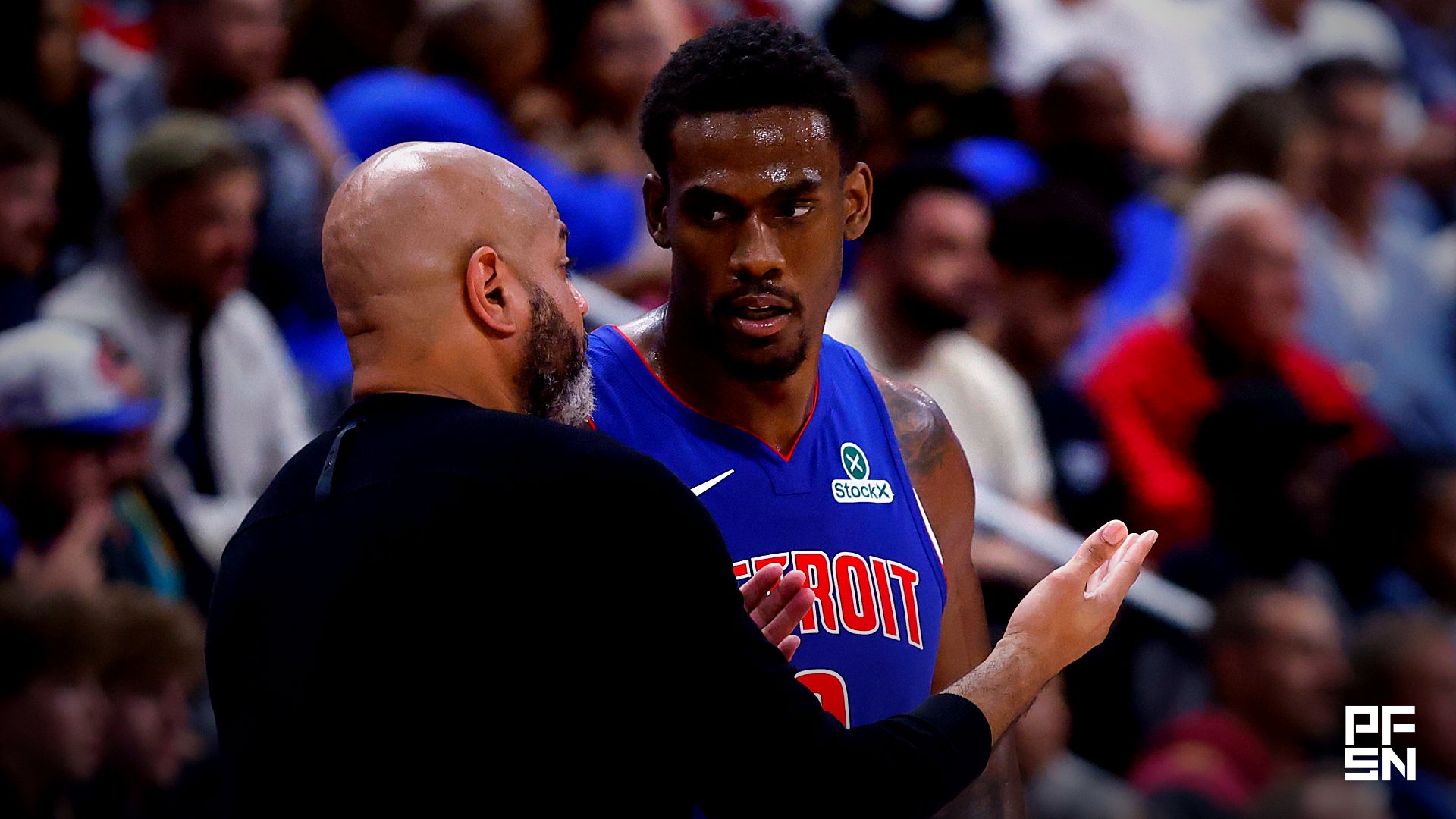
Young Jalen Duren, the Pistons’ standout center, has suddenly become the focus of a very modern gladiatorial contest. It’s May 13, 2026. Free agency? Oh, it’s well underway, — and Duren, a restricted free agent, is soaking up all sorts of attention. He’s an All-Star. Of course he’s. But the twist? Detroit holds every single card. They’re at an impasse in negotiations, sure, — and Duren, we hear, wouldn’t mind a path out of town. But the Pistons? They can match any offer, and they’ve got absolutely no intention of letting him walk in some convenient sign-and-trade arrangement.
And what’s this? He’s taking meetings on Tuesday with the Sacramento Kings and the Los Angeles Lakers, according to reports from The Athletic. Just imagine the air travel. Jetting between power players, seeking that elusive exit. —He’s seeking it because he can. That’s the rub. But Detroit? They aren’t budging.
Here’s the thing: “Duren, as The Athletic has reported, is a restricted free agent who is taking meetings with the Los Angeles Lakers and Sacramento Kings on Tuesday with the hopes of finding a sign-and-trade pathway out of town.” He’s looking. Other teams are certainly looking. And why not? But Sacramento’s plan to swap Duren for their three-time All-Star, Domantas Sabonis, apparently doesn’t pique Detroit’s interest in the slightest. You’ve got a proven performer, a name, a multiple All-Star. And they just shrug. A curt no, thank you.
That dismissal of Sabonis is a clear, cold message: Detroit wants Duren, — and they’ll dictate the terms. The gap in negotiations between Duren and the Pistons sparked this strategy, but it remains possible the two sides eventually strike a deal… —though maybe not in the way Duren or his suitors initially imagined. What we’re watching here isn’t merely player movement. It’s a masterclass in market protection, a club’s declaration of dominance over its most valuable human resource. It’s a tale of corporate control in sports that, honestly, wouldn’t look out of place when observing how emerging economies sometimes struggle to retain their top talent when global titans come calling. It’s a recurring drama.
“Detroit does not have interest in the Kings’ scenario, which would send three-time All-Star Domantas Sabonis their way as a replacement for Duren, according to league sources who spoke on condition of anonymity to describe ongoing deliberations.” Not interested. Can you feel the finality in that? The casual dismissal of an established star shows an almost defiant confidence from the Pistons organization.
Because the Pistons have every intention of keeping him. And that intent carries substantial weight in a landscape where contracts often mean more than player preference. After all, the Lakers, now flush with cap space thanks to LeBron James moving elsewhere in free agency, are eyeing Duren as an elite pick-and-roll partner for Luka Dončić. The Kings, they’re just desperate for a young marquee name to kick-start their perpetual rebuild. Duren fits the bill for both of them, of course. But those aren’t Detroit’s problems. Dave McMenamin of ESPN had it pegged: “The Pistons, however, say they are not interested in any sign-and-trade deals for Duren and will match any potential offer sheet he signs.” It’s that simple.
Think about the parallels here. Imagine a developing nation, say, Pakistan, where an invaluable talent emerges – perhaps in technology, or manufacturing – and global giants circle. The local entity, despite its size, possesses a contract, a legal framework, that allows it to retain that talent, even if the talent itself yearns for a larger stage or bigger pockets elsewhere. It’s the strength of the home team’s legal footing versus the siren song of international opportunity. This Pistons situation mirrors that dynamic, where local leverage trumps global allure. They aren’t trying to sell. They’re telling you they aren’t interested in your offers, not even if they’re for other premium assets. It’s a statement, stark and undeniable.
Duren had an absolutely sensational All-Star season, for the record, averaging 19.5 points and 10.5 rebounds while shooting 65%. That’s a verifiable stat for his value, the kind of data point that analysts pore over. That production is precisely why Detroit clings to him so fiercely. So, despite all the maneuvering and the flights and the talks, the tea leaves are pretty clear: barring a late, sudden change of heart, all signs point to Duren and the Pistons eventually striking a deal. They’re not letting go of their investment.
What This Means
This episode serves as a crisp reminder of the inherent power imbalances within professional sports—a microcosm of broader economic forces. While player empowerment has gained significant ground in recent years, this situation illustrates that ultimate control often resides with the entity holding the contractual strings, especially when a restricted free agent designation is involved. For a market like Detroit, leveraging assets aggressively is a fundamental economic strategy, preventing rivals from siphoning off hard-won talent without prohibitive costs. This firm stance can, in the long run, stabilize a roster, but it also carries the risk of player disgruntlement, which might corrode team chemistry or dampen future recruitment efforts.
From an economic perspective, Detroit’s refusal of a direct Sabonis swap is a vote of confidence in Duren’s trajectory and perceived market value over an established veteran. It’s an investment in a specific vision. The ancillary effect? It creates a ripple effect across the league, forcing competing general managers to reconsider their negotiation strategies with restricted free agents, subtly shifting leverage back toward the team. it shines a light on the intricate economic subtleties of athlete contracts, a canary in the global capital mine, highlighting how player assets are managed not just as talent but as balance sheet entries. It’s not just a basketball story. It’s a masterclass in market force. And for a city like Detroit, keen on demonstrating resilience, this might even project an image of broader economic revitalization, much like the unexpected successes of its other local teams. See the Detroit Tigers’ astounding turnaround.