


Gridiron Gospels: How the NFL Seized Christmas, Melbourne, and the Soul of Sporting Commerce
POLICY WIRE — Washington, D.C. — Once, Christmas morning meant a new bike or a train set. Now, it seems, it means anticipating whether the Rams will be facing the Seahawks under the...

POLICY WIRE — Washington, D.C. — Once, Christmas morning meant a new bike or a train set. Now, it seems, it means anticipating whether the Rams will be facing the Seahawks under the festive lights. The National Football League — always shrewd, rarely sentimental — is poised to declare its 2026 schedule this Thursday, a blueprint not just for gridiron glory but for the continuing, relentless expansion of its brand into every conceivable nook of the calendar and the globe. It’s less a sports schedule, more a grand strategic deployment, — and for some, it smells faintly of overreach.
Because the leaks — always “leaks,” never outright “announcements” until the ordained moment, which is all part of the mystique — tell a tale of aggressive commercialism. Week 1, the Los Angeles Rams and the San Francisco 49ers aren’t just playing; they’re going transcontinental to Melbourne, Australia, broadcasting live on Netflix. It’s an explicit play for the global audience, bypassing traditional networks for the streaming giants, proving that geographic distance is no barrier to the NFL’s ambitions — only opportunity.
And that’s just the start. Fast forward to Week 12, Thanksgiving Eve. The Rams will host the Green Bay Packers. Another non-traditional slot, another Netflix exclusive. It’s a clear strategy: stake claims on all “non-football” holidays, turn them into appointment viewing, squeeze maximum ad revenue, and brand affiliation. But is the well — or the audience’s capacity for endless, high-stakes football — truly limitless?
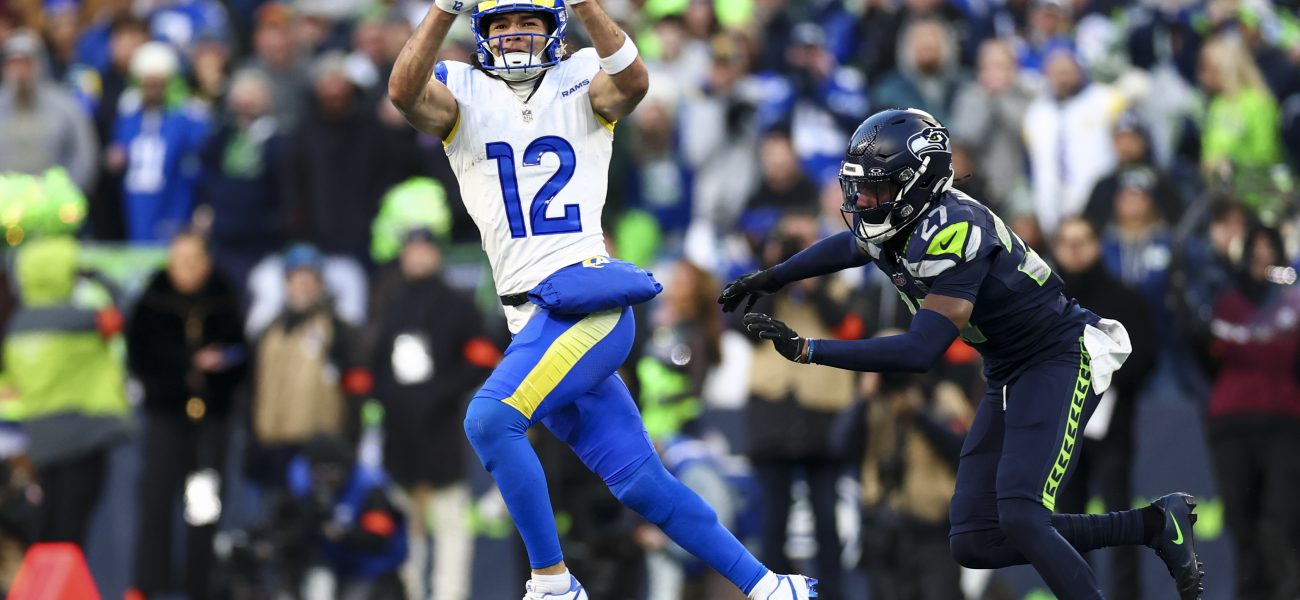
Then comes Christmas. Oh, what a joyous day for television ratings. According to whisper networks and preliminary reports from sports radio, the Rams are slated to visit the Seattle Seahawks in Week 16 over the Christmas weekend. Dave Mahler of 93.3 KJR in Seattle — a local media fixture often privy to such developments — has strongly suggested this pairing. This isn’t just a game; it’s an assertion: your holidays, your family traditions? They now belong, at least in part, to us. You can almost hear the carols blending into a stadium’s roar.
“Our expansion isn’t merely about football,” offered NFL Commissioner Roger Goodell in a past — but utterly consistent — public statement about the league’s global push. “It’s about sharing American culture, American competition, — and American entertainment with a wider world. These holidays offer unparalleled reach, bringing families together around thrilling competition.” He always sells it like an act of benevolence, doesn’t he?
📄 POLICY WIRE WHITEPAPER PUBLISHED: PAKISTAN'S NATIONAL SECURITY POLICY PRIORITIES
👉 READ BY CLICKING HEREBut the league’s appetite for global — and temporal expansion comes with its own costs. For the players, the glamour of international play — and holiday fixtures often translates to increased wear and tear. The Rams, for instance, are expected to cover a staggering 34,837 air miles this season, according to data compiled by NFL insiders, second only to the 49ers. “When we talk about ‘global brand,’ let’s also talk about global flights and short weeks,” noted a spokesperson for the NFL Players Association, speaking on background. “It’s certainly good for the league’s bottom line, but we’re asking athletes to push their bodies across time zones for maximum broadcast window advantage. There’s a physical price, and we don’t forget it.” It’s always that delicate balance between astronomical revenue and corporeal reality.
And this push doesn’t just impact athletes; it ripples globally. Consider the implications for markets like Pakistan, where traditional festive periods might be marked by different cultural practices and religious observance. The influx of highly polished, high-production-value American sports programming during what used to be ‘off-peak’ times isn’t just about delivering content; it’s a soft power projection, a gentle nudging of global cultural norms towards American consumerism and media habits. It might seem harmless — a game on Christmas, big deal — but it’s part of a broader shift where cultural products from the West seek to penetrate every household, blurring local identities with universalized, often commercial, spectacles. It’s an ecosystem shift.
What This Means
The NFL’s calculated colonization of global holidays and new streaming platforms represents more than just scheduling adjustments; it signifies a robust pivot in sports economics and international cultural engagement. Economically, securing exclusive broadcast deals with streaming services like Netflix, especially for non-Sunday or non-traditional holiday slots, ensures diversified revenue streams that are less beholden to traditional television advertising models. This also lets the league target younger, digitally native audiences worldwide, something vital for sustained growth. Politically, the ‘export’ of American football isn’t just commerce; it’s a subtle, ongoing act of cultural diplomacy, intertwining American entertainment with global leisure time. As leagues — even beyond football — scramble to grow, from the Scottish Premiership to the Premier League, understanding and adopting similar strategies will determine who truly “wins” the attention economy. It means an increasingly globalized, commodified holiday season, driven by a simple, undeniable fact: there’s always more money to be made.