


Gravity’s Fury: Inside the Bone-Jarring Reality of Olympic Bobsledding
POLICY WIRE — Lake Placid, USA — The human body isn’t designed for this kind of violence. Yet, somehow, certain individuals, like veteran brakeman Aja Evans, strap themselves into what’s essentially...

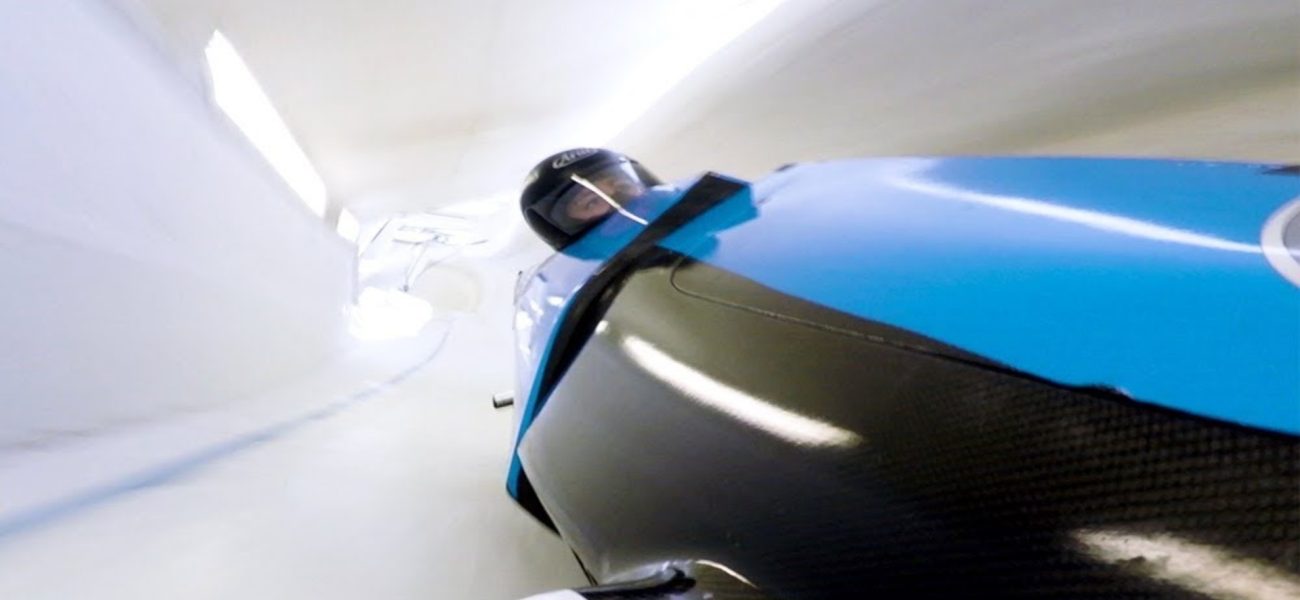
POLICY WIRE — Lake Placid, USA — The human body isn’t designed for this kind of violence. Yet, somehow, certain individuals, like veteran brakeman Aja Evans, strap themselves into what’s essentially a metallic bullet on blades and hurtle down an ice-slicked chasm, willing to embrace five times the force of gravity (source: various sports science publications) for a fleeting shot at glory. It’s an exercise in masochism, wrapped in Lycra — and speed, often misunderstood as a simple sleigh ride.
You see the sleek sleds, the bright uniforms, the triumphant smiles—but that’s just the veneer. What Evans describes as a routine workday, most people would consider a sustained, full-body impact event. Inside that aerodynamic shell, navigating perilous drops — and banked turns, your head doesn’t just jostle; it rattles. It feels, she once put it, like someone’s suddenly jumped onto your back while your skull slams against the composite. They don’t simply ride; they’re passengers in a controlled crash.
Evans, a name synonymous with explosive power on the ice, makes the absurd look routine. As a brakeman, her job is less about hitting the brakes—though she does that eventually—and everything about generating that initial, hell-bent surge that launches the two- or four-person sled from a standing start to dizzying speeds. We’re talking zero to nearly 150 kilometers per hour (roughly 90 mph) in seconds. Every millimeter, every millisecond counts. And the margin for error? It’s practically nonexistent. A single misstep on the initial sprint, a fraction of a second lost, can — and often does — translate to the difference between a medal and an afterthought.
But it’s not just the velocity; it’s the sheer brutality of the physics. Fighter pilots pull comparable G-forces, but they’re typically nestled into specialized seats with custom head restraints. Bobsledders? They’re just… in there. Whiplashed, pummeled, their necks — and spines taking an absolute beating run after run. And she *chose* this. For Aja, the mental game, the preparation to subject herself to such physical punishment, that’s where the true battle lies. It’s less a sport, more a test of raw, unadulterated willpower against Newton’s laws.
This relentless pursuit of physical and mental limits doesn’t just define the athletes; it reshapes the landscape of sports. “These Olympians don’t just perform for their nations; they expand what we even *perceive* as athletic possibility,” observed Dr. Anya Sharma, Director of High-Performance Sports Development for the International Olympic Committee. “Their stories, particularly those like Aja Evans who break barriers, ripple far beyond the track.” It’s about grit, a concept understood globally, whether you’re facing ice chutes in Pyeongchang or the challenging athletic infrastructure of countries like Pakistan, where athletes often wrestle with profound systemic disadvantages just to train, let alone compete in highly specialized winter sports.
But you don’t find such tenacity by accident. It’s forged in endless hours of training—sprinting, lifting, refining that initial violent push until it’s perfectly synchronized. It’s a continuous, punishing grind that keeps their bodies just shy of breaking point, day in — and day out. It’s demanding. It’s frankly, insane. And yet, they sign up again and again. Because beneath the bone-jarring hits, there’s that fleeting moment of controlled chaos, of ultimate mastery over an unforgiving element. That’s the real prize.
📄 POLICY WIRE WHITEPAPER PUBLISHED: PAKISTAN'S NATIONAL SECURITY POLICY PRIORITIES
👉 READ BY CLICKING HEREWhat This Means
The narratives spun around athletes like Aja Evans carry implications far broader than mere medal counts. Her success isn’t simply a feel-good story for sports fans; it’s a profound statement on representation and economic opportunity within elite athletics. Nations and private entities are increasingly recognizing that investing in diverse athletes — especially those excelling in traditionally overlooked or logistically challenging sports — pays dividends beyond national prestige. It fosters broader engagement, particularly amongst demographics that may not historically see themselves in certain athletic arenas.
Take, for instance, the emerging economies of South Asia, where the allure of Olympic achievement, even in non-traditional sports like bobsledding, is slowly prompting governmental and private investment discussions. While bobsledding tracks are few and far between from Islamabad to Chennai, the inspiration provided by athletes like Evans catalyzes conversations about supporting diverse talent pools and specialized training programs globally. As Mr. Javid Iqbal, an advisor to Pakistan’s Ministry of Sports, recently articulated, “An athlete’s courage, regardless of the sport, ignites national pride. And if one can brave the sheer intensity of bobsledding, it pushes us to ask: ‘What seemingly impossible goals can we achieve elsewhere? What barriers, economic or otherwise, can we overcome?'” It suggests a shift in focus, albeit a slow one, toward cultivating excellence wherever it may emerge, even if it requires substantial foreign investment in training and infrastructure.
This isn’t just about an individual athlete’s journey; it’s a reflection of evolving global dynamics where visibility in sports correlates directly with national soft power and cultural influence. Every successful Olympic story — especially from an athlete defying perceived limitations—becomes a subtle piece of foreign policy, inspiring both national aspiration and commercial investment into sports ecosystems far and wide. From the grand stadiums of Europe to makeshift training grounds, the investment is immense because the payoff is greater than just gold. And nations are watching, weighing the returns on athletic glory.