


Ghost of ’12: Hummingbird Fire Rekindles Old Scars in Gila Wilderness
POLICY WIRE — Silver City, New Mexico — Few wounds heal completely, especially when etched across the sprawling canvas of a wild landscape. Twelve years ago, the Gila Wilderness bore the profound...

POLICY WIRE — Silver City, New Mexico — Few wounds heal completely, especially when etched across the sprawling canvas of a wild landscape. Twelve years ago, the Gila Wilderness bore the profound scars of a monumental blaze, one that forever altered its contours. Now, with a chilling déjà vu, a new wildfire is actively feeding on those very wounds, reigniting anxieties and challenging the resilience of this rugged terrain.
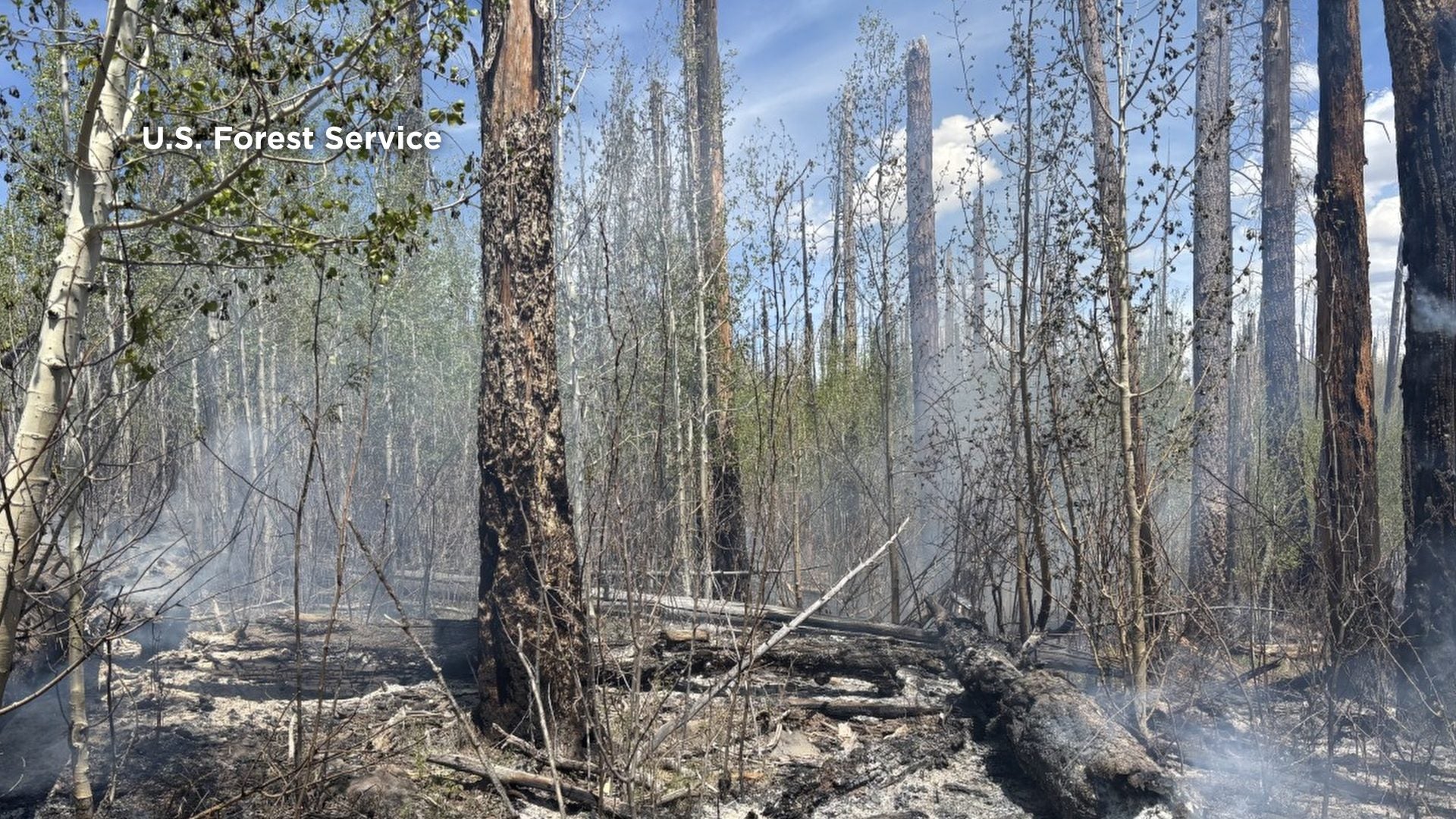
That’s the stark reality facing fire crews battling the nascent Hummingbird Fire, a lightning-ignited inferno that has, so far, consumed 25 acres of what remains the nation’s first designated wilderness area. Discovered on April 20 approximately 15 miles east of Glenwood, the blaze remains 0% contained. And yet, officials from the U.S. Forest Service aren’t just contending with new growth; they’re wrestling with the ghost of the 2012 Whitewater-Baldy Fire, whose dense, dead timber and brush now serve as potent, highly volatile fuel.
Make no mistake, this isn’t an easy fight. Even with 164 personnel assigned, plus two large airtankers and a helicopter aggressively hitting the flames, direct ground work has proven dangerously impractical. Long medical extraction times, often exceeding three hours, coupled with immediate hazards, have forced responders to largely rely on aerial assaults where they can safely engage. It’s a tactical shift, born of necessity — and the unforgiving nature of the Gila’s remote, scorched backcountry.
But the challenges extend beyond just treacherous terrain — and stubborn flames. “This isn’t just about putting out a fire; it’s about navigating a landscape already brutalized by past events,” stated Forest Service Supervisor Michael Sanchez. “The fuel loads are immense, — and the risks to our crews are escalating with every new ignition.”
Indeed, New Mexico Governor Michelle Lujan Grisham has often articulated the severe impacts of the climate crisis on her state. “We’re seeing fire seasons that aren’t just longer, they’re more ferocious,” she remarked in a recent policy brief outlining environmental strategies. “The resilience of our landscapes, and indeed our communities, is being tested unlike anything we’ve witnessed before.” Her words echo a growing sentiment that these events aren’t isolated incidents, but rather symptoms of a broader ecological shift.
The math is stark. The 2012 Whitewater-Baldy Fire, then the largest in New Mexico’s recorded history, scorched an astonishing 297,845 acres, according to data from the New Mexico Forestry Division. Now, the Hummingbird Fire tears through that very scar tissue, a stark reminder that even after the flames die down, the threat often lingers for years, sometimes decades.
This escalating pattern isn’t unique to the American Southwest. From the dry chaparral of California to the sprawling forests of Australia, and even the Himalayan foothills in regions like Pakistan, the interplay of changing weather patterns and land management practices creates a global tinderbox. While the specific dynamics differ, the overarching challenge of managing increasingly destructive wildfires is a shared global concern, putting immense strain on national resources and drawing attention to the urgent need for international cooperation on environmental policies. It’s a complex dance between local resources — and global climate trends that few nations can afford to ignore.
Related: Beyond Ballots and Bombs: Washington’s Subtle South Asia Shift
For the nearby community of Willow Creek, the threat is immediate. They’ve been placed on “Ready” evacuation status, a familiar, unwelcome anxiety. It’s a testament to the unpredictable nature of these fires, where a small, uncontained blaze can quickly morph into a regional catastrophe, forcing hard decisions for residents and emergency managers alike.
What This Means
The Hummingbird Fire, though currently small, carries significant weight in its symbolism and potential implications. Politically, it re-energizes the debate around federal land management policies, especially concerning logging and controlled burns designed to reduce fuel loads. Critics often argue that environmental regulations hinder proactive forest thinning, while proponents stress the importance of preserving wilderness character. Economically, even a contained fire adds to the already strained federal firefighting budget, siphoning resources that could otherwise be allocated to prevention or other public services. the specter of a large blaze impacts local tourism, a vital economic driver for communities bordering areas like the Gila.
Environmentally, these “re-burns” within old fire scars indicate a worrying trend. They suggest a landscape struggling to recover, making it more susceptible to future, more intense fires. It’s a vicious cycle that degrades watersheds, impacts biodiversity, and releases vast amounts of stored carbon, further exacerbating the climate crisis. How long can this cycle continue before fundamental shifts in ecosystem health become irreversible?
Ultimately, the Hummingbird Fire isn’t just another incident report; it’s a critical barometer for a changing climate and a testing ground for our collective response to increasingly complex ecological threats. Until we address the fundamental shifts in our climate and adapt our land management strategies accordingly, these ghost fires, fueled by the legacies of past destruction, will continue to haunt our wildlands and challenge our capacity to respond effectively,
warned Dr. Elena Rodriguez, a seasoned fire ecologist at the University of Arizona. She adds, “We’re past the point of simply suppressing; we must strategically manage and, crucially, learn to coexist with fire in a new, hotter world.”