


Ghana’s Northern Frontier: A Stability Mirage Shattered by Ambush
POLICY WIRE — Accra, Ghana — The hum of Ghanaian stability, a melodic counterpoint to the discordant rhythm of its Sahelian neighbors, has abruptly, violently, ceased. It wasn’t a...

POLICY WIRE — Accra, Ghana — The hum of Ghanaian stability, a melodic counterpoint to the discordant rhythm of its Sahelian neighbors, has abruptly, violently, ceased. It wasn’t a seismic political upheaval, nor a coup d’état (thankfully, we’ve largely avoided those in recent memory). Instead, it was the chilling efficiency of an ambush on a northern highway convoy, an act that peels back the veneer of calm to reveal something far more disquieting — the insidious tendrils of regional extremism reaching into what was once considered a bastion of democratic peace.
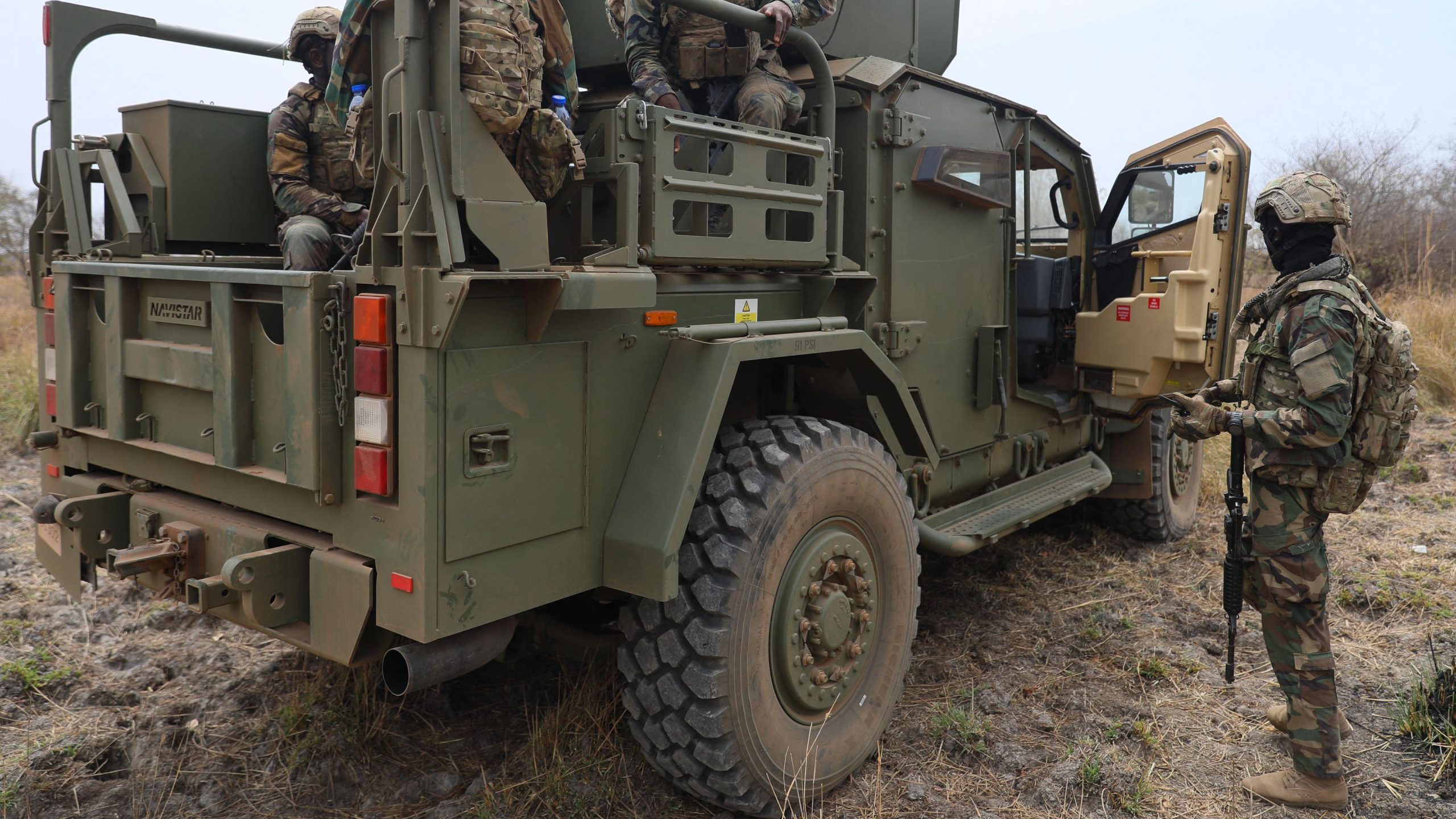
Ghana, perpetually lauded as a democratic success story in a turbulent neighborhood, now confronts a stark reality. The military, with characteristic Ghanaian resolve, is presently engaged in a sweeping operation, a concerted hunt for the perpetrators who dared to strike within its borders. But this isn’t just about apprehending bandits; it’s about reclaiming a narrative, about demonstrating that even in the face of encroaching chaos, Ghana isn’t about to capitulate. The incident, while geographically confined for now, sends ripples of unease through the capital, Accra, — and beyond.
And what’s particularly vexing about this incident is its audacious nature. This wasn’t some remote, lightly traveled track. It was a highway, a major artery, underscoring a tactical sophistication previously attributed to groups operating further north. Brigadier General Kwesi Nsiah, Director of Military Intelligence, didn’t mince words when pressed on the military’s posture. "We won’t cede an inch of our sovereignty to these nefarious elements," he shot back, his voice echoing with unyielding determination. "Our response will be decisive, surgical, and designed to restore total peace to our northern territories." It’s a sentiment many Ghanaians, weary of regional instability, undoubtedly share.
But the ramifications, it’s becoming clear, stretch beyond mere security. Finance Minister Dr. Ama Ofori-Atta understands the delicate balance between perceived security — and economic buoyancy. "This isn’t merely a security incident; it’s an economic tremor, a blow to the confidence our nation’s carefully nurtured reputation for stability," she opined during an unscheduled press briefing. "The implications extend far beyond this stretch of highway, impacting investor sentiment and regional trade routes." She’s not wrong. Every flicker of insecurity in the region tends to make international investors a tad more skittish.
Still, Ghana isn’t an island. The nation finds itself an increasingly vulnerable outlier in a sub-region grappling with an unrelenting surge in extremist violence. According to data from the Armed Conflict Location & Event Data Project (ACLED), the broader Sahel region — Ghana’s immediate northern backyard — experienced a staggering 68% increase in violent events between 2020 and 2022. This relentless wave, fueled by a complex cocktail of poverty, governance deficits, and radical ideologies, steadily creeps southward. It’s a grim procession, — and Ghana has long known its turn might come.
At its core, Ghana’s predicament mirrors the protracted struggles against similar groups in parts of the Muslim world — from the protracted insurgencies in Pakistan’s tribal areas to the enduring blueprint of deliberate destruction in Lebanon. The insidious spread of extremist ideologies, often cloaked in religious rhetoric, isn’t confined to particular geographies; it’s a globalized challenge to secular governance and pluralism. Ghana’s experience, though nascent, serves as another stark reminder of how these transnational threats exploit local grievances to achieve their broader, destructive aims.
Behind the headlines of military sweeps and official pronouncements, there’s a deeper conversation emerging: how does a nation protect its democratic gains when faced with an enemy that respects no borders and operates outside traditional state structures? It’s a question that keeps policymakers awake, — and for good reason. The answers aren’t simple; they’ll require a nuanced blend of security operations, robust community engagement, and addressing the socio-economic vulnerabilities that extremist groups so adeptly exploit.
And so, as Ghanaian forces scour the terrain, the nation finds itself at a pivotal juncture. The illusion of impenetrable stability has been breached. Now, the real test begins: not just to hunt down those responsible, but to fortify the very foundations of its peace against a tide that threatens to engulf the entire region. It’s an arduous task, one requiring immense strategic foresight, but it’s a challenge Ghana cannot, for its own sake and the region’s, afford to fail.
What This Means
This attack, however localized, carries consequential implications for Ghana — and the wider West African region. Politically, it forces Accra to recalibrate its security posture, likely leading to increased military spending and a potential shift in domestic policy towards greater surveillance in vulnerable northern districts. It also elevates the perceived threat of spillover from Mali and Burkina Faso, potentially prompting Ghana to seek more robust international security partnerships — perhaps with European powers or the United States — to bolster its border defenses and intelligence capabilities. Economically, the incident injects a dose of uncertainty into Ghana’s investment climate. While the country has diversified beyond commodities, perceived instability can deter foreign direct investment, especially in sectors like tourism and agriculture in the northern regions. disruptions to transport routes could inflate logistical costs, affecting the supply chain for essential goods. For regional stability, Ghana’s vulnerability signals a worrying expansion of the Sahelian crisis, suggesting that even relatively stable nations are not immune. It underscores the urgent need for a cohesive, coordinated regional response — a strategy that, tragically, remains largely elusive, leaving individual nations to grapple with a transnational menace.