

Gaza Crisis Deepens: 17 Killed in Israeli Attacks as Starvation Claims More Lives
The humanitarian crisis in Gaza has reached alarming new levels. At least 17 Palestinians were killed in Israeli attacks on Wednesday morning, according to local health officials and media reports....

The humanitarian crisis in Gaza has reached alarming new levels. At least 17 Palestinians were killed in Israeli attacks on Wednesday morning, according to local health officials and media reports. Meanwhile, five more people, including children, died from starvation, bringing global attention once again to the worsening blockade and lack of aid in the region. The situation has sparked fresh criticism from international human rights organizations, who say Israel’s military actions and ongoing siege of Gaza may violate international law.
Deaths from Airstrikes and Starvation
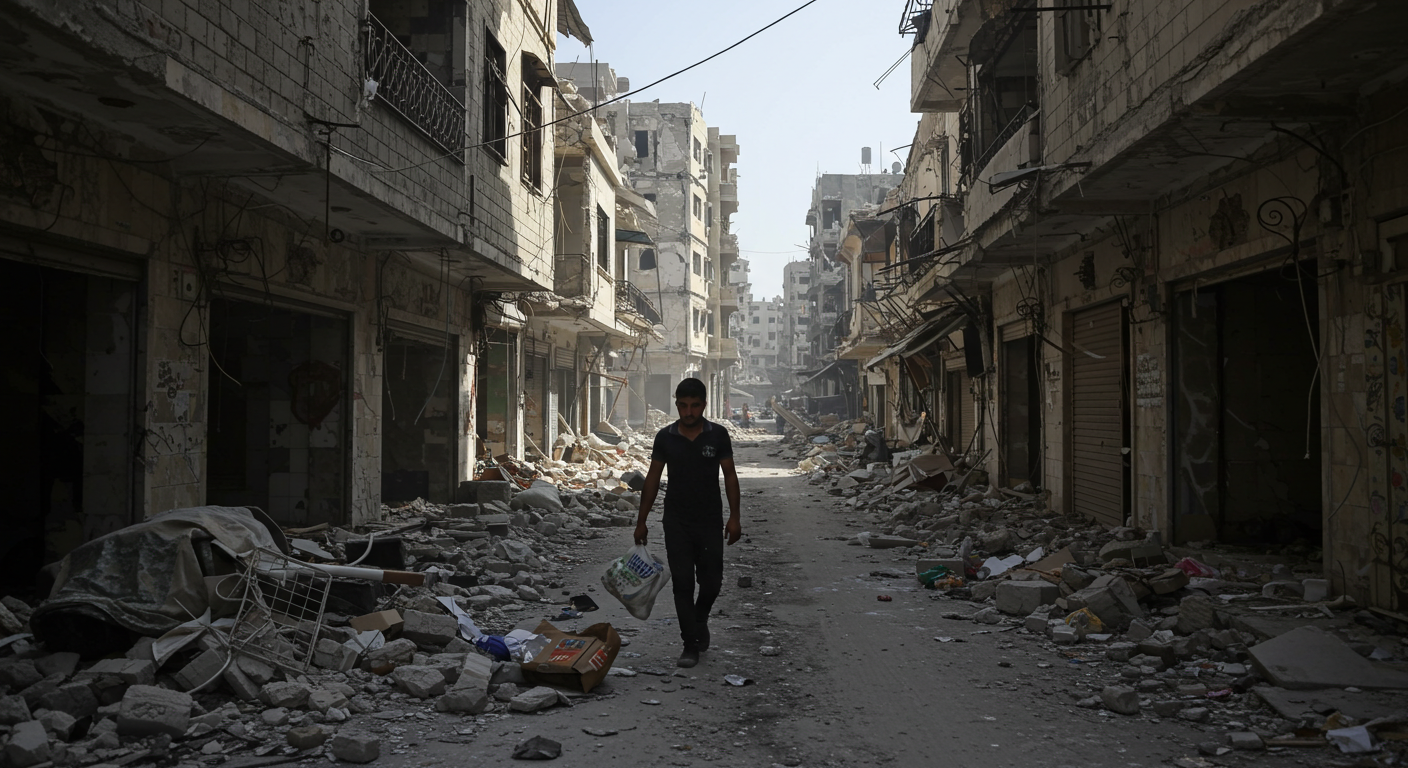
The Israeli military launched multiple airstrikes across Gaza before sunrise, targeting what it described as “militant infrastructure.” However, Palestinian health authorities say many of those killed were civilians, including women and children. In one of the strikes in central Gaza, a residential building was hit, leaving at least six people dead from the same family. In a separate and equally disturbing development, health officials reported five new deaths caused by hunger and dehydration. Most of these victims were children. Gaza’s health system has collapsed under months of siege, with hospitals reporting no food, clean water, or medical supplies. According to the United Nations, more than 80% of Gaza’s 2.3 million people are now facing severe food insecurity. The World Food Programme (WFP) has said that the situation is “beyond catastrophic.”
Home Demolition in Hebron
On the same day, Israeli forces also conducted a raid in the occupied West Bank city of Hebron, demolishing the home of a Palestinian prisoner. The prisoner is reportedly accused of involvement in an attack against Israelis, but the demolition affected his entire family. The raid took place in the Abu Katila neighbourhood, where eyewitnesses reported loud explosions, tear gas, and live ammunition being fired. Streets were sealed off, and ambulances were delayed in reaching the area. The Wafa News Agency, a Palestinian state-run media outlet, confirmed the demolition and said that several people were injured due to the excessive use of force by Israeli soldiers.
Collective Punishment?
Israel’s policy of demolishing the homes of Palestinians accused or convicted of attacking Israelis has long been controversial. Human rights organizations, including Amnesty International and Human Rights Watch, have repeatedly called it a form of collective punishment, which is illegal under international humanitarian law, particularly the Fourth Geneva Convention.
“These home demolitions punish entire families, including children, who have done nothing wrong,” said Omar Shakir, Israel and Palestine Director at Human Rights Watch. “This is a clear violation of international law and should stop immediately.” Even the United Nations Office for the Coordination of Humanitarian Affairs (OCHA) has expressed concern that such demolitions increase tensions and contribute to a cycle of violence.
Aid Still Blocked
The crisis in Gaza is not only a result of airstrikes. The blockade of Gaza by Israel and Egypt has continued since October 2023, following the outbreak of conflict between Hamas and Israel. Since then, humanitarian aid entering Gaza has been extremely limited. Although the Rafah border crossing into Egypt was briefly reopened for a few days in July, it has since been closed again. Trucks carrying food, fuel, and medical aid are stuck at the border, unable to reach those in need. The United Nations Relief and Works Agency (UNRWA) has warned that its shelters are overcrowded and under-resourced. Some areas in northern Gaza have been without electricity or clean water for weeks. The International Committee of the Red Cross (ICRC) has called on all parties to respect humanitarian law and allow immediate, unimpeded access for aid.
International Response
Several countries, including South Africa, Turkey, and Ireland, have strongly condemned Israel’s recent military actions and called for an urgent ceasefire. At the United Nations, discussions continue over a possible resolution, but political divisions among member states have slowed action. In recent weeks, calls have grown louder for an international investigation into possible war crimes in both Gaza and the West Bank. “It is no longer just a conflict, it is a humanitarian emergency of the highest level,” said Francesca Albanese, the UN Special Rapporteur on the occupied Palestinian territories. “Starvation, destruction of homes, and mass displacement are happening daily.”
Conclusion
The events of the past 24 hours in Gaza and the West Bank are a grim reminder of the human cost of the conflict. Airstrikes continue to kill civilians. Starvation is taking innocent lives. Families are losing their homes and loved ones in both Gaza and Hebron. As international pressure builds, the need for immediate humanitarian access, protection of civilians, and accountability for possible war crimes has never been more urgent. The people of Gaza are not just caught in a war — they are dying in silence, in homes turned to rubble and streets turned to graves.
Author