

Coco Gauff’s Wimbledon Epic: Grit, Pressure, & Policy
Coco Gauff's Wimbledon comeback reveals immense pressure on young athletes. Unpack her resilience, the global gaze, and policy implications for athlete welfare and mental health.

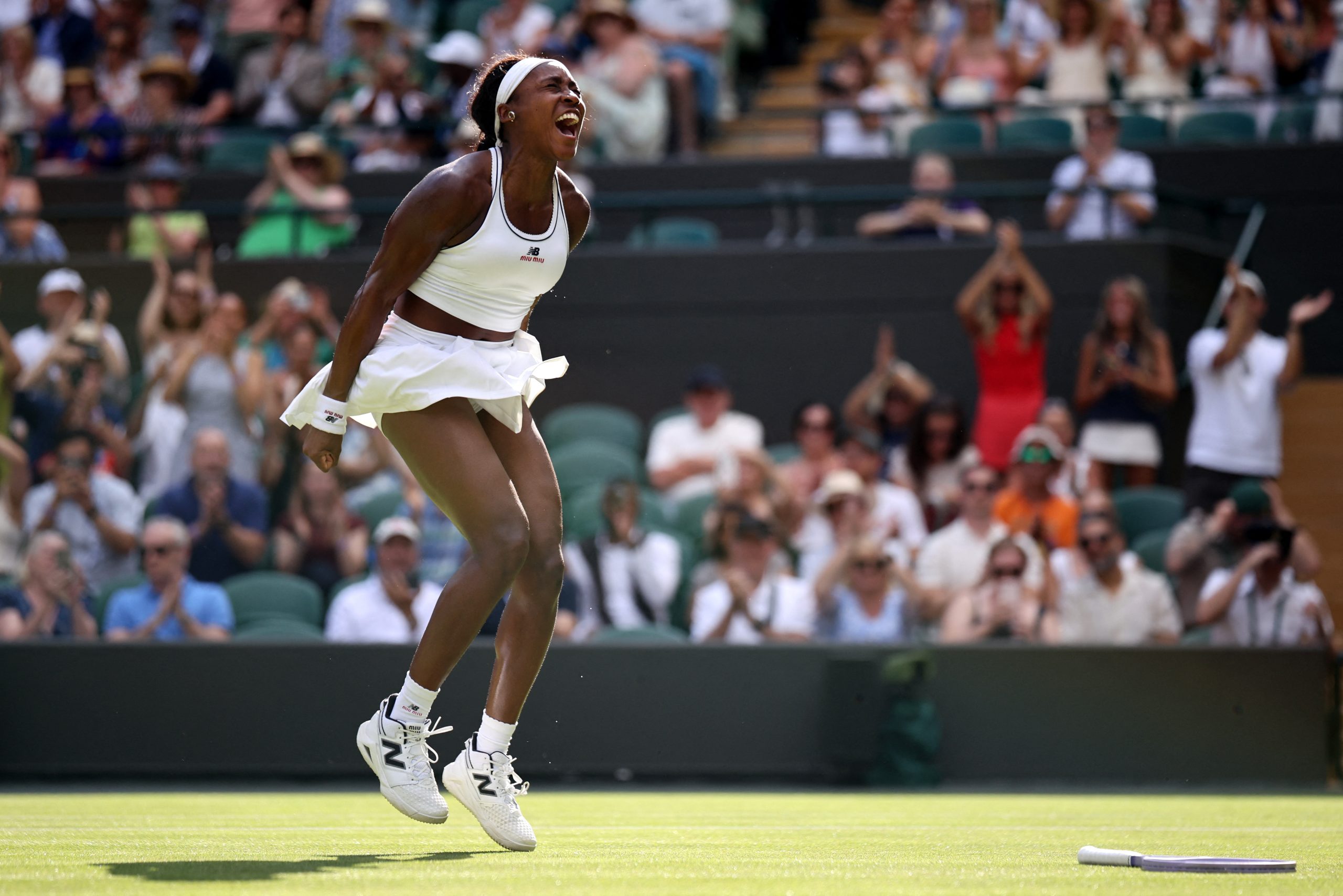
POLICY WIRE — London, UK — The narrative was supposed to be about another ascendant journey, a comfortable stride through the hallowed lawns of Wimbledon. Instead, for American sensation Coco Gauff, it became a brutal, grinding fight against her own past, present anxieties, and an Argentinian challenger named Solana Sierra. Because at Wimbledon on July 1st, Gauff wasn’t just playing a second-round match; she was wrestling with the colossal shadow of expectation, nearly folding under the immense weight before a miraculous, grit-fueled comeback.
It’s rarely the easy victories that stick, isn’t it? But it’s these cliff-edge moments, these sudden plunges into near-disaster, that often forge legend—or at least provide journalists with something worth spilling ink over. The number seven seed, Gauff, a player whose talent has been parsed and prophesied since she was fifteen, found herself just two points from packing her bags. Just two points, mind you, from an unceremonious London exit a mere month after a third-round stumble at Roland-Garros. The air in SW19, usually thick with polite applause, grew taut with the collective held breath of fans who’ve invested years, even decades, into her nascent superstardom.
But then, she didn’t fold. Gauff, now 22, dredged up the kind of defiance only truly great athletes possess. Trailing 5-4 in the final set, staring down the barrel at 30-30 in the decisive tenth game, she triggered something primal. An ace—a singular, defiant punch through the psychological static—swung that game. She then broke Sierra, seizing a 6-5 lead, before enduring a grueling, 10-point tiebreak that she clinched 10-7, pulling out six consecutive points when it mattered most. This wasn’t elegant tennis; it was street fighting with racquets, a desperate refusal to quit. And she’d done it, not just survived but truly vanquished, securing her first deciding-set tiebreak victory in a major.
“Her performance wasn’t just about tennis; it was a masterclass in psychological resilience under immense national and personal scrutiny. We often forget the human element in these spectacles,” stated Dr. Lena Khan, a prominent sports psychologist at the University of London, reflecting on Gauff’s harrowing match. Her words echo a wider sentiment. Professional sports, particularly for a prodigy, often blur the lines between personal aspiration and national burden, making every misstep a public post-mortem.
The global audience for these gladiatorial contests is staggering. Data from YouGov shows that over 80% of adults in the UK consider themselves sports fans, a sentiment reflected across continents. From bustling Cairo cafes to quiet homes in Lahore, where tennis isn’t necessarily top-tier but global achievements like this resonate—especially with a new generation hungry for heroes—Gauff’s struggle and eventual triumph weren’t lost. They’re consumed, analyzed, and used as conversation fodder, a universal language of struggle and success that transcends geographic boundaries and cultural nuances. The relentless pursuit of excellence, that capacity for bounce-back, it’s a deeply compelling human drama, after all.
But her challenge continues. She’ll now face compatriot Claire Liu in the third round. Gauff hasn’t ventured beyond the fourth round at Wimbledon—a curious block for someone heralded as a future legend—having reached that point three times already. Those past exits, including her initial head-turning feat against Venus Williams in 2019, seem to loom larger now. Because it’s one thing to burst onto the scene; it’s another to sustain, conquer, — and dominate years later.
What This Means
Gauff’s near-defeat isn’t just a sporting footnote; it’s a policy object lesson. The immense pressure on athletes, particularly those catapulted into the global spotlight at a young age, reflects broader societal challenges concerning mental health and the sustainable development of talent. For a nation like the United States, athletic triumph isn’t merely entertainment; it’s a projection of national vigor, an almost unconscious affirmation of societal strengths. When Gauff rallies, there’s a collective sigh of relief, a moment of shared, uncomplicated pride—a rare commodity in our fractured political landscape.
Economically, the stakes are equally high. The business of elite sports hinges on these dramatic narratives. Players like Gauff aren’t just athletes; they’re brands, driving merchandise sales, television rights, and sponsorships that contribute billions to the global economy. A deeper run for Gauff means more eyeballs, more revenue, — and a strengthened platform for endorsements. It impacts everything from media contracts for global sports leagues to investment in junior programs designed to identify the next phenom. “Moments like Gauff’s triumph remind us that progress, in any field—be it sports or policy reform—often demands an almost irrational refusal to concede defeat. It’s a quality leaders desperately need,” offered Senator Aisha Rahman (D-NY), a noted sports enthusiast and advocate for women in leadership, framing the sporting moment in starkly political terms.
Her struggle also brings into sharp relief discussions around athlete welfare. The psychological toll of constant public scrutiny, the weight of national expectation, it can be immense. For developing nations, and specifically in parts of South Asia or the Muslim world, where emerging sporting talents face different systemic hurdles, Gauff’s experience serves as both inspiration and cautionary tale. Can these regions foster global champions while safeguarding their well-being? It’s a policy question with no easy answers. We often expect our heroes to be bulletproof. Gauff showed she wasn’t—until she was. And that, maybe, makes her even more compelling. The real story isn’t just a comeback; it’s the raw, visceral illustration of what it truly costs to stand on the precipice of greatness, over and over again.