


From Viral Octopus to Policy Vortex: A Microcosm of Humanity’s Macro-Pollution Crisis
POLICY WIRE — Manila, Philippines — In a world choking on its own waste, it’s often the small, improbable stories that claw through the din of policy pronouncements and economic forecasts. This week,...

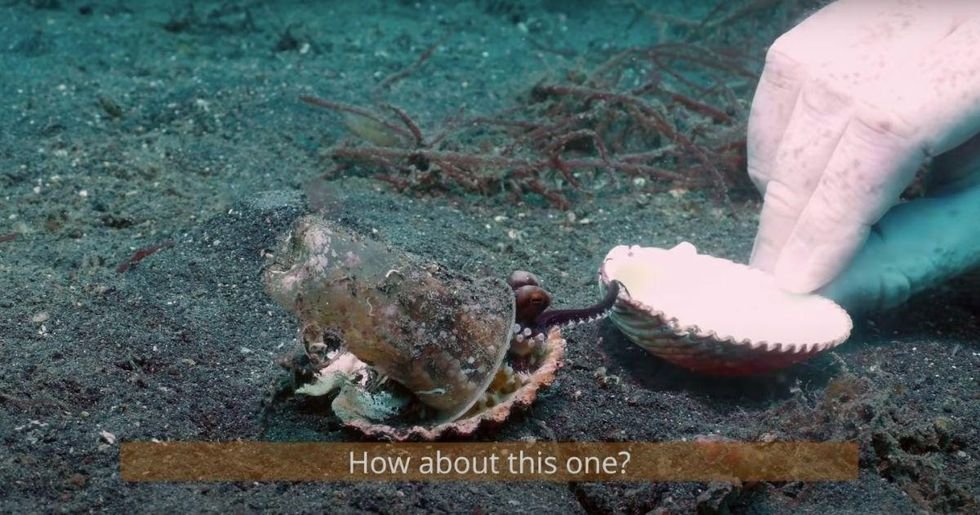
POLICY WIRE — Manila, Philippines — In a world choking on its own waste, it’s often the small, improbable stories that claw through the din of policy pronouncements and economic forecasts. This week, such a narrative emerged from the sun-dappled depths off the Philippine coast, where a diver, Javier Gorgonio, managed to coax a diminutive octopus into exchanging its precarious shelter – a discarded plastic cup – for a more appropriate, natural seashell. The footage, a brief ballet of interspecies diplomacy, went viral, a poignant counterpoint to the relentless tide of marine detritus, but it also inadvertently shone a harsh light on a global policy failure that continues to plague oceans from the Arctic to the Arabian Sea.
It wasn’t a grand summit or a UN resolution that underscored the planet’s plastics predicament; it was a tiny cephalopod making a very practical, if involuntary, upgrade. This whimsical exchange, however, quickly became less about animal ingenuity and more about the grim ubiquitousness of human refuse. Behind the headlines, marine biologists and policy wonks weren’t celebrating a singular rescue; they were lamenting the circumstances that necessitated it.
“We’re past the point of individual acts of kindness solving systemic issues,” Dr. Anya Sharma, Director of the Global Ocean Health Initiative, opined to Policy Wire. “While commendable, Mr. Gorgonio’s interaction with that octopus is a stark, visual reminder that our oceans are literally becoming plastic soup. We’ve known this for decades, yet the policy inertia — particularly around single-use plastics and waste management infrastructure in developing nations — is nothing short of criminal.” She didn’t mince words, painting a picture of environmental degradation that transcends national borders and ecological niches.
And she’s not wrong. An estimated 8 million metric tons of plastic enter our oceans each year, according to the UN Environment Programme – a figure that defies easy comprehension, piling up in currents and on coastlines, becoming a permanent fixture in marine ecosystems. It’s a crisis that doesn’t just impact charismatic megafauna, but filters down to the smallest organisms, disrupting food chains and, ultimately, human health. Still, the global community often grapples with solutions that feel like drops in an ever-expanding bucket.
This silent inundation isn’t confined to distant, pristine waters; it’s a palpable threat across the globe, including the bustling coastal communities of South Asia and the Muslim world. Countries like Pakistan, with its vast coastline along the Arabian Sea, face immense challenges in managing urban and industrial waste, much of which inevitably finds its way into the ocean. The economic repercussions are severe, impacting fishing industries, tourism, — and public health infrastructure. It’s a complex web where rapid urbanization often outpaces waste management capabilities, creating environmental vulnerabilities that policymakers are only just beginning to seriously confront. “We see this problem acutely in our region,” Professor Tariq Al-Aziz, a distinguished Marine Biologist at the Red Sea Institute for Coastal Studies, underscored in a virtual briefing. “Local initiatives are vital, but without robust national and international frameworks for waste reduction, recycling, and enforcement, we’re just bailing water with a sieve. It’s a matter of economic survival for countless families, not just environmental idealism.”
The octopus’s plight, viewed through this broader lens, is a symptom, not an anomaly. It’s illustrative of a consumer culture — amplified by global supply chains — that treats the planet as an infinite refuse bin. The political will to enact stringent policies, especially those that might affect corporate profits or consumer convenience, remains surprisingly fragile. We’re quick to marvel at a diver’s compassionate act, yet slow to scrutinize the regulatory frameworks (or lack thereof) that allow such widespread pollution in the first place.
It’s not just the visible plastics either; microplastics, insidious fragments that defy easy cleanup, are now found everywhere from the deepest ocean trenches to the highest mountain peaks, even in our own bodies. The long-term health implications for both marine life and humans remain a pressing, if still nascent, area of scientific inquiry. And that’s a terrifying prospect, isn’t it?
What This Means
At its core, this seemingly innocuous interaction between man and mollusk rips open the policy debate on global environmental governance. The viral video, while heartwarming, serves as an inadvertent indictment of international bodies and national governments that have largely failed to stem the tide of plastic waste. Economically, the cost of marine plastic pollution is staggering – impacting fisheries (through ghost fishing and contamination), tourism (polluted beaches deter visitors), and shipping (propeller entanglement, infrastructure damage). Developing nations, often disproportionately affected due to weaker waste management systems and reliance on ocean resources, face a double bind: lacking resources for cleanup while simultaneously bearing the brunt of wealthier nations’ consumption patterns. Politically, the issue remains fragmented, with national interests often trumping coordinated global action, a parallel perhaps to the broader debates on industrial policy and environmental responsibility. This octopus, in its plastic cup, forces a reckoning: are we content with symbolic gestures, or will we finally commit to the comprehensive, politically challenging policy reforms necessary to truly disinfect our shared blue planet?