


From Pinnacle to Precipice: The Stark Economic Reckoning in Pro Basketball’s Brotherhood Playoff
POLICY WIRE — BOSTON, MASSACHUSETTS — The abrupt silence descending upon the TD Garden faithful wasn’t merely the sound of a basketball season concluding; it was the audible shudder of a...

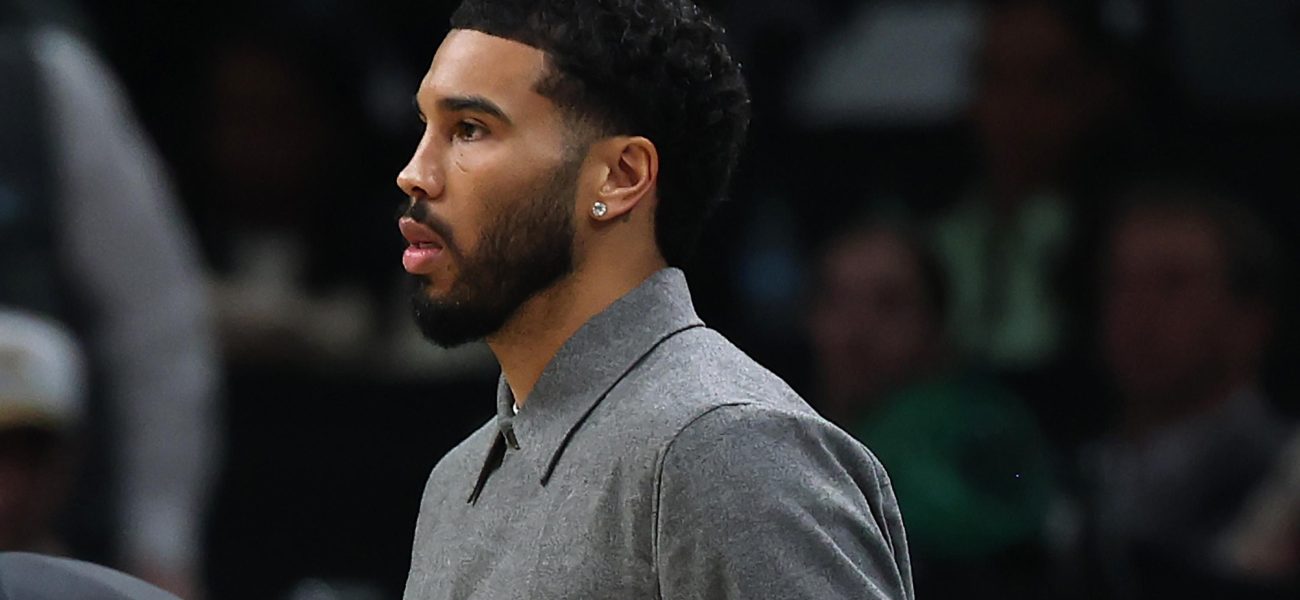
POLICY WIRE — BOSTON, MASSACHUSETTS — The abrupt silence descending upon the TD Garden faithful wasn’t merely the sound of a basketball season concluding; it was the audible shudder of a meticulously constructed economic engine suddenly losing its most vital piston. The Boston Celtics, once championship contenders, found their postseason aspirations – and a substantial portion of local revenue projections – excised with the quiet withdrawal of their marquee talent, Jayson Tatum, sidelining him with a knee stiffness that proved fatal to their Game Seven hopes against the Philadelphia 76ers.
It’s a peculiar dichotomy, this ‘Brotherhood Playoff’ moniker: a marketing construct designed to evoke camaraderie and shared purpose. Yet, at its core, it often lays bare the brutal individualism of professional sport, where the sheer physical fragility of one transcendent player can unravel months of collective effort, billions in investment, and the emotional equilibrium of an entire city. Tatum, who’d nursed an Achilles injury during last year’s playoff campaign, wasn’t just missing a chance to ‘close that circle’ against the New York Knicks; he was inadvertently pulling the plug on a fiscal boon that had been just within Boston’s grasp.
“The fragility of these athletic bodies, while undeniably part of the inherent drama, does underscore the immense investment — not just in player contracts, but in infrastructure, marketing, and the very fabric of our league’s global appeal,” shot back NBA Commissioner Adam Silver recently, addressing similar concerns. “It’s a constant, delicate balance we navigate.” And indeed it’s. The NBA, a colossus in sports entertainment, generated an estimated $10 billion in revenue in the 2022-2023 season, with playoff viewership and merchandise sales contributing significantly to that staggering sum. When a major market team like Boston exits early, that economic ripple is felt acutely.
Still, the spectacle, for all its pecuniary undertones, must persist. So it was that Sunday unfurled with its own dramatic arcs, albeit with lower stakes for the broader policy wonk: Paolo Banchero and Wendell Carter shepherding the Orlando Magic into a Game Seven against the Detroit Pistons. Meanwhile, RJ Barrett and the Toronto Raptors squared off against Tyrese Proctor’s Cleveland Cavaliers in their own decisive contest. The narrative here, too, hinged on individual health; Brandon Ingram of the Raptors found himself ‘questionable’ with heel inflammation, his status a lingering question mark over his team’s fortunes. What’s a playoff run without a palpable sense of impending doom, after all?
This reliance on individual brilliance isn’t confined to North American hardwood. Across the globe, from the English Premier League to the Pakistan Super League, the economic models of major sports increasingly coalesce around the star player. Their health, their form, their very presence, dictates not only ticket sales and merchandise but also vast media rights agreements that span continents. In regions like Pakistan, where cricket reigns supreme, the NBA has carved out a substantial niche, its dramatic storylines and heroic figures drawing millions of viewers via streaming platforms and satellite broadcasts. The abrupt exit of a Jayson Tatum isn’t merely a sports headline there; it’s a disruption to a carefully cultivated global entertainment export, influencing digital consumption trends and brand loyalties even amongst fans for whom basketball is a secondary devotion. It’s not just a game, it’s a global commodity.
📄 POLICY WIRE WHITEPAPER PUBLISHED: PAKISTAN'S NATIONAL SECURITY POLICY PRIORITIES
👉 READ BY CLICKING HERE“When the Celtics go deep, local businesses thrive. Period,” observed Massachusetts State Representative Sarah Chen (D-Boston), during a press scrum outside City Hall. “A Game 7 here isn’t just about sport; it’s about hundreds of thousands of dollars flowing into our restaurants, shops, and transport systems. Jayson Tatum’s absence, while entirely understandable from a medical standpoint, represents a tangible economic hit to our constituents who rely on that seasonal surge.” Her blunt assessment underscores the uncomfortable truth: athletic performance, while lauded for its artistic merit, functions as a critical, if volatile, economic indicator for urban centers.
What This Means
The abrupt conclusion to the Celtics’ season, precipitated by an injury to their linchpin, Jayson Tatum, serves as a stark reminder of the inherent volatility baked into the modern sports economy. Teams, cities, and broadcasting networks invest colossal sums based on the perceived durability and consistent performance of a handful of elite athletes. When those athletes falter — or worse, are sidelined — the economic dominoes begin to fall. From reduced local tourism revenue and diminished secondary market ticket sales to potentially depressed viewership figures for critical playoff matchups, the ripple effects are pervasive. Policy makers and urban planners, often quick to champion the cultural uplift of a winning franchise, must also contend with the substantial economic exposure inherent in such a star-dependent model. It’s a delicate balancing act, one that necessitates diversifying revenue streams and perhaps even re-evaluating the fiscal commitments made to major sporting events, understanding that the health of a single knee can dictate the financial health of an entire quarter for certain sectors. We’re not just talking about wins and losses; we’re talking about jobs, tax revenues, and civic pride — all held hostage, it seems, by the capricious nature of the human body.
So, as the remaining teams battle it out, their star players pushing physical limits, remember it’s not just glory they’re chasing. It’s also the continuation of a vast, intricate economic ballet, one where a single misstep can send shockwaves far beyond the court. A stark lesson, indeed, in the precarious nature of our collective investments in athletic spectacle. And it’s one that policymakers — particularly those tasked with regional economic development — ignore at their own peril.