


Foul Play? Digital Hordes Descend as Clark’s Shot Falters, Fame Endures
POLICY WIRE — Indianapolis, USA — Before the final buzzer even whimpered into silence last Friday night at Gainbridge Fieldhouse, the verdict was already screaming from countless keyboards: Caitlin...

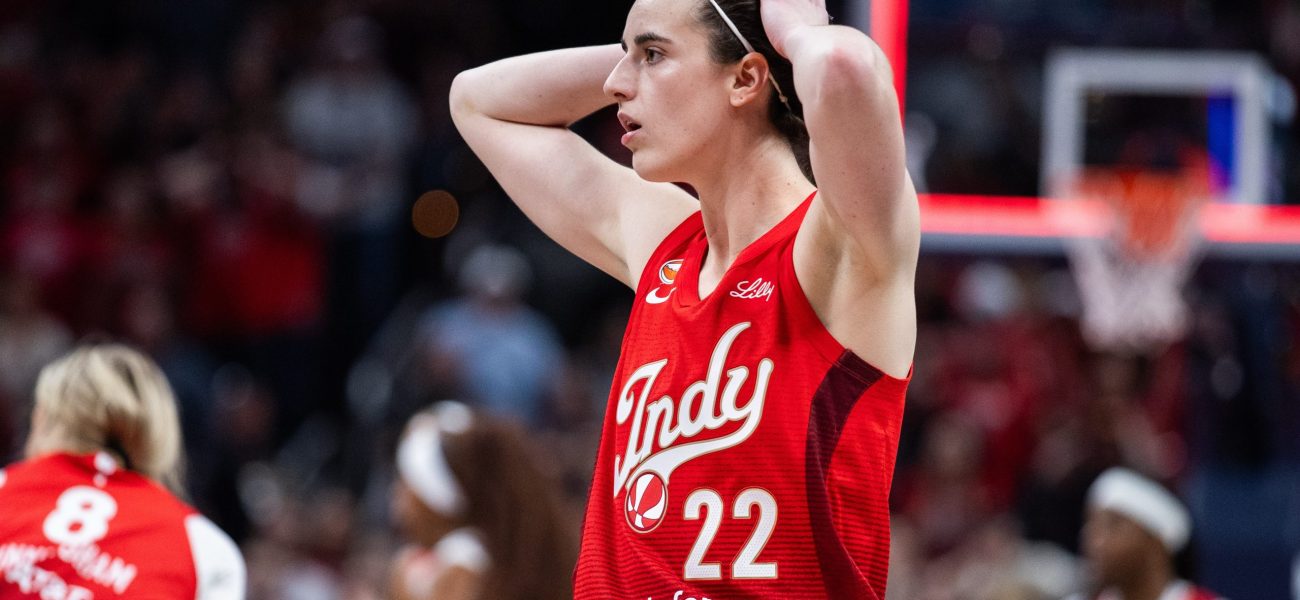
POLICY WIRE — Indianapolis, USA — Before the final buzzer even whimpered into silence last Friday night at Gainbridge Fieldhouse, the verdict was already screaming from countless keyboards: Caitlin Clark, basketball’s reigning supernova, simply couldn’t buy a bucket. It wasn’t the first time; a peculiar kind of public vivisection has become commonplace for the Indiana Fever’s phenom whenever her game doesn’t quite measure up to the impossible hype. But this wasn’t just a tough night; it was an inquest, conducted in real-time, under the unblinking eye of a global digital jury. Nobody’s safe in this new coliseum.
It’s become a grim ritual, hasn’t it? The same social platforms that canonized Clark in her college years now host the immediate, unsparing critique. Because while the Fever ultimately dropped a heartbreaker to the Washington Mystics, 104-102 in overtime, much of the damage — at least to the prevailing narrative — had been done well before the extra period. Clark’s notorious cold streak from behind the arc stretched long — and bleak through three quarters. A staggering 15.38% from three-point territory over her last nine games, according to official WNBA statistics, marked a territory more desolate than inspiring. And folks noticed, good lord, did they notice. Before she’d finally uncorked a fourth-quarter offensive explosion that almost won the game, social feeds were awash with exasperated memes and pronouncements of premature artistic death.
“I don’t know what’s going on, but her shot is just gone. Like, where did it go?” lamented one online commentator, speaking for many. “She’s not just having an off night; this feels like an off-season, you know? It’s intense. But fans, they don’t do patience well.” But what did anyone really expect? In an era where every dribble, every missed free throw, is scrutinized by millions, sometimes simultaneously across time zones — a global theater that even reaches fans as far-flung as Karachi, passionately debating a game many haven’t physically witnessed — the grace period for a struggling star has shrunk to milliseconds. The market for instant judgment is booming.
The relentless cycle of adulation — and condemnation raises serious questions about the sustainability of modern stardom. “The pressures these athletes face aren’t just physical; they’re deeply psychological, magnified by the always-on nature of social media,” stated Cathy Engelbert, Commissioner of the WNBA, in a candid interview just days before. “It’s a different game now, off the court as much as on it. We’re committed to supporting our players through that storm, but it’s an evolving challenge for the entire league.” She’s not wrong; you watch these kids and realize they’re not just playing basketball; they’re performing in a real-time, global reality show, with their professional reputations (and sometimes, their personal brand value) on the line with every shot.
And it’s a tightrope walk most folks wouldn’t brave for all the endorsement deals in the world. Just ask any of the myriad athletes from across South Asia—think cricketers shouldering the hopes of a billion—whose every performance is dissected with a ferocity that makes American sports talk radio seem tame. The global village has a voracious appetite for heroes, and a brutally swift hand in turning them into cautionary tales. That’s a burden Clark seems to carry with increasing weight.
📄 POLICY WIRE WHITEPAPER PUBLISHED: PAKISTAN'S NATIONAL SECURITY POLICY PRIORITIES
👉 READ BY CLICKING HERE“We’re witnessing a strange cultural phenomenon where celebrity has become so democratized, so instantaneously accessible, that our collective patience has withered,” observed Dr. Zara Haider, a prominent sports sociologist and author of ‘Digital Divas: Fame in the Hyper-Connected Age.’ “It’s a quick descent from goddess to scapegoat, fueled by algorithms and amplified by anonymity. You saw it with LeBron, with Serena—the greater the rise, the more spectacular the fall when perceived underperformance sets in.” She’s right; there’s an almost Roman emperor quality to the modern sports fan, thumbs up or thumbs down deciding fates from behind a screen.
What This Means
Clark’s dramatic public crucible isn’t just about basketball statistics; it’s a bellwether for the new economics of fame and scrutiny. The digital age has blurred the lines between private struggle and public spectacle, turning every moment into a potential data point for criticism or content. For the WNBA, Clark’s gravitational pull continues to shatter viewership records, pulling in a younger, broader audience—but at what cost to its star players’ mental fortitude? Her performance, even her struggles, remains gold for network ratings — and social media engagement. This hyper-visibility, while initially a boon for a league still fighting for mainstream recognition, creates an unsustainable pressure cooker for individual talent.
The global sports market, especially in rapidly digitizing regions from Lahore to Jakarta, increasingly relies on individual narratives. A star like Clark isn’t just selling tickets in Indiana; she’s selling subscriptions worldwide. But if the incessant public judgment erodes the athlete, the very product—the raw, human spectacle of elite competition—could ultimately suffer. It’s a delicate balance for a league that now sees its biggest stars also serving as its most exposed public relations assets. The conversation around Clark isn’t merely about basketball; it’s about the brutal, often transactional, relationship between modern celebrity, digital fandom, and the unforgiving economics of expectation.