


Flocculant and Federalism: A Modest Emergency’s Broader Ripple in Local Governance
POLICY WIRE — Albuquerque, N.M. — It wasn’t the kind of emergency that sends helicopters scrambling or state troopers erecting roadblocks. No, this one involved flocculant, recirculation pumps,...

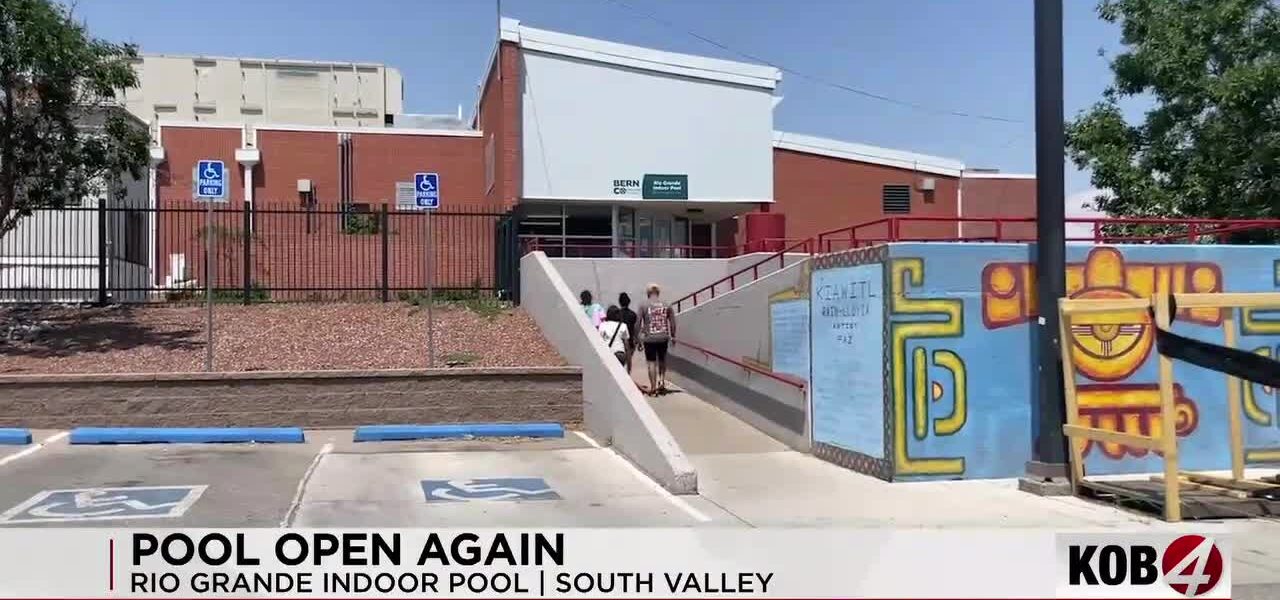
POLICY WIRE — Albuquerque, N.M. — It wasn’t the kind of emergency that sends helicopters scrambling or state troopers erecting roadblocks. No, this one involved flocculant, recirculation pumps, and—presumably—some stressed municipal facilities staff working late. The Rio Grande indoor pool, a modest testament to local public recreation, briefly ceased to be, not because of a geopolitical incident or a fiscal crisis, but due to something called a mechanical emergency. On Wednesday, following an interruption that shuttered the facility Tuesday, municipal officials offered their quiet assurance: the pipes are clear, the filters are running, and as they said, repairs are complete and the pool is operational again. A relief for Friday night swimmers, one assumes. But what does a minor incident, easily dismissed, truly signify about the brittle underpinnings of public service in America, and indeed, around the globe?
It’s easy to chuckle. A pool. Just a pool. Yet, it serves as a rather inconvenient parable. Every broken filtration system, every corroded pipe, every facility teetering on the edge of failure speaks volumes about deferred maintenance, budget constraints, and the quiet, almost insidious erosion of infrastructure that underpins daily life. Think about it: a community’s ability to offer basic amenities like a heated indoor pool—a space for health, recreation, and perhaps, momentary escape from a sometimes-harsh reality—is directly tied to the unglamorous world of public works, budgeting, and asset management. These aren’t glamorous topics, no. You won’t see politicians clamoring to cut ribbons on a newly functional water pump, will you? [QUOTE_PLACEHOLDER]
Because these are the systems that, when working, are invisible. You fill your glass, you turn on a light, you dive into a pool. When they falter, when the system breaks down—even for just a day, because of a mechanical emergency—that’s when the light glares upon the choices made, or perhaps, choices avoided, in allocating public funds. It’s not always about grand, federal-level policy debates. Sometimes it’s about a local budget line item that got squeezed one too many times to patch up a city street or fund a less visible (but equally important) social program. And that’s a political decision, whether we acknowledge it or not.
This subtle struggle isn’t confined to the Land of Enchantment. Consider Pakistan, for instance, where infrastructure challenges aren’t merely inconveniences but often existential threats. The Karachi Water and Sewerage Board frequently battles widespread leakages, aged pumping stations, and chronic supply issues, leading to vast sections of a megacity—we’re talking 16 million people—routinely going without potable water. In a 2022 World Bank report, it was noted that approximately 70% of urban Pakistanis lack access to safely managed drinking water. The difference between Albuquerque and Karachi, though stark in scale and severity, is merely one of degree, not of fundamental challenge. It’s still about systems, about maintenance, about public trust.
One community gets its pool back for a Friday night swim; another lives with daily anxieties about securing clean water for survival. Both scenarios involve the reliability—or lack thereof—of publicly managed facilities. But the political ramifications couldn’t be more different. One might inspire a grumble, perhaps a letter to the editor. The other, an uprising. Yet, at their core, both reflect the ongoing, silent struggle to maintain the intricate, unheralded machinery of civil society. Public infrastructure, whether a pool filtration system or a water supply network for millions, always walks a fine line between silent functionality and loud, often messy, collapse. This time, thankfully, the pool bounced back, offering a chance for the Rio Grande indoor pool to open once again after a mechanical emergency forced them to close it Tuesday. They’ve even got a special a Friday night swim planned from 5 p.m. to 7 p.m. this week. You can find More info here . But that quick fix doesn’t erase the underlying vulnerability.
📄 POLICY WIRE WHITEPAPER PUBLISHED: PAKISTAN'S NATIONAL SECURITY POLICY PRIORITIES
👉 READ BY CLICKING HEREWhat This Means
The swift resolution of Albuquerque’s pool crisis, while a positive outcome for local residents, really functions as a fleeting distraction from deeper, more insidious policy failings across all levels of government. In an age dominated by high-stakes international headlines and presidential politics, the ‘mundane’ failures of municipal infrastructure—be it a pool filter, a collapsing bridge, or an aging water main—often go unnoticed until they become undeniable. But they do carry profound political — and economic implications. Economically, repeated ‘mechanical emergencies’ like this suggest chronic underinvestment in maintenance, creating a future burden of more expensive, systemic repairs. It’s like kicking the proverbial can down the road, except the can is made of deteriorating concrete — and rusting steel. This isn’t just about direct costs; there’s the indirect economic impact of service disruptions, diminished quality of life, and reduced public engagement.
Politically, such incidents chip away at public trust. Citizens pay taxes, expecting functioning services. When those services intermittently fail, the social contract, even subtly, begins to fray. And let’s be blunt: leaders who fail to prioritize infrastructure aren’t seen as dynamic or visionary. They’re seen as presiding over decline, whether or not the causes predate their tenure. This ripple effect extends to a broader conversation about governmental capacity. If a well-resourced city like Albuquerque struggles with keeping its pools open, what does that imply for areas with fewer resources? Or, on a grander scale, for nations where such infrastructure failures are systemic, deeply entrenched, and have direct, calamitous effects on human life, not just Friday night recreational plans? The difference between a minor civic headache and a national crisis often boils down to how proactively, and consistently, societies choose to invest in their physical foundations.