


FEMA’s New Mexico Footprint Recedes as Payout Scandal Swells
POLICY WIRE — ALBUQUERQUE, N.M. — It’s a curious kind of retreat. In the high desert of northern New Mexico, where the scars of the Hermit’s Peak-Calf Canyon fire still mar the landscape, the...

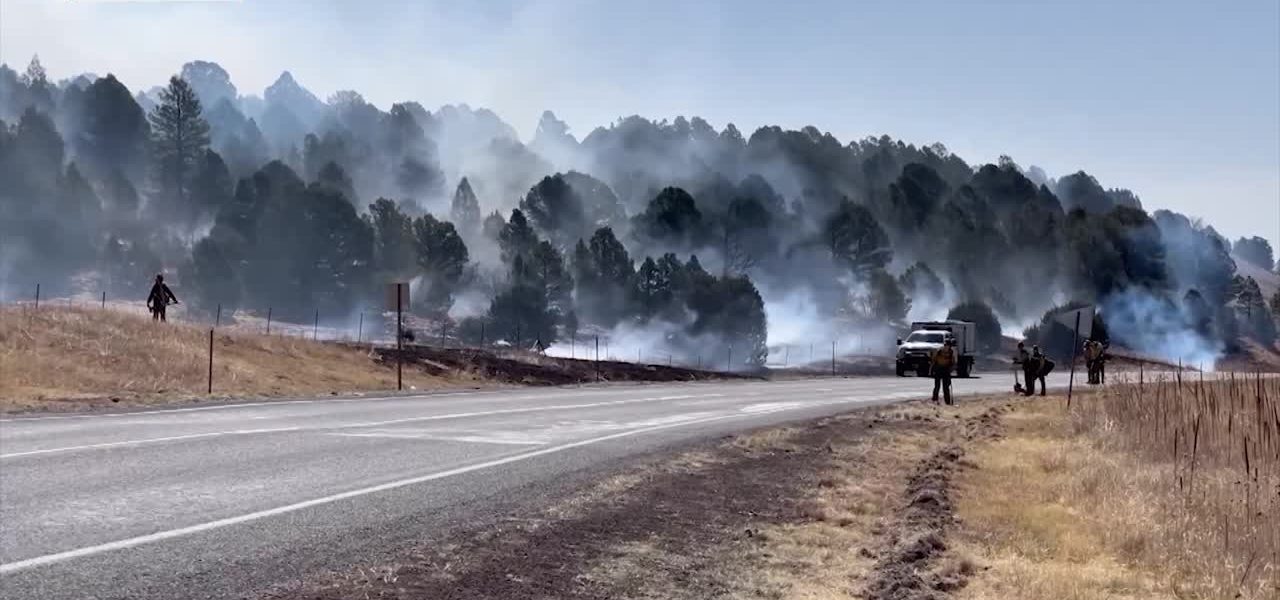
POLICY WIRE — ALBUQUERQUE, N.M. — It’s a curious kind of retreat. In the high desert of northern New Mexico, where the scars of the Hermit’s Peak-Calf Canyon fire still mar the landscape, the physical presence of the Federal Emergency Management Agency (FEMA) is conspicuously shrinking. Portable units, once housing a small army of disaster relief workers, are gone. A rented office now sits vacant, its functions consolidated into a county building. Yet, the agency’s shadow, long cast over communities battling bureaucratic inertia, only seems to grow darker, precisely because its own top officials pocketed lavish six-figure payouts while those they were meant to serve often languished. It’s a stark tableau of abandonment — and perceived self-enrichment, now amplified on national television.
The controversy, initially unearthed by local investigative journalism (4 Investigates), has now escalated to NBC Nightly News, thrusting FEMA’s handling of the Hermit’s Peak-Calf Canyon claims office into a blistering national spotlight. What began as a local grievance has morphed into a potent symbol of federal mismanagement and a jarring disconnect between public service and personal gain. For residents who lost homes, livelihoods, everything — the sight of former directors of the claims office, Mark Neveau and Charmaine Castro, allegedly receiving extravagant relocation packages after their brief tenures feels less like standard procedure and more like a cruel mockery. Both officials, it’s worth noting, are now on leave, a customary administrative maneuver in the face of such public opprobrium.
And FEMA, predictably, has been tight-lipped. Spokespeople have issued boilerplate assurances about reviewing processes, but substantive answers concerning the payouts or the agency’s rapidly diminishing local footprint remain elusive. The silence, many argue, is deafening. Mora County Commissioner Sofia Rodriguez didn’t mince words, shooting back, “It’s a slap in the face. People here lost everything — homes, livelihoods — and they’re facing bureaucratic hurdles while those meant to help themselves to hefty sums. We need accountability, not evasive statements.” Her sentiment echoes across the affected communities, where residents are still navigating the labyrinthine process of seeking compensation for damages from the colossal blaze.
The Hermit’s Peak-Calf Canyon fire, the largest in New Mexico’s history, scorched over 341,000 acres, incurring an estimated $3.9 billion in damages and recovery costs, according to a recent congressional assessment. Against this backdrop of monumental loss and the urgent need for equitable restitution, the revelation of six-figure administrative payouts has inflamed public indignation. It’s a stark reminder that even in disaster, the machinery of bureaucracy can often privilege its own. FEMA Spokesperson Eleanor Vance, when pressed, offered a familiar defense: “We understand the optics aren’t ideal, but these were standard relocation packages, meticulously audited. Our focus remains squarely on supporting survivors.” Yet, that focus seems, to many, tragically blurred by the agency’s internal fiscal priorities.
Still, the implications extend far beyond New Mexico’s borders. This saga isn’t merely an American anomaly; it’s a microcosm of a global challenge — the struggle for transparency and integrity in large-scale relief operations. From the earthquake-devastated regions of Pakistan to flood-stricken communities across South Asia and the broader Muslim world, the deployment of significant aid funds often comes under intense scrutiny. Public trust, fragile even in the best of times, can be irrevocably shattered when administrative excesses overshadow the urgent needs of the afflicted. The questions swirling around FEMA — about accountability, the allocation of funds, and the equitable treatment of victims versus administrators — resonate deeply in any context where massive public or international resources are entrusted to institutions ostensibly dedicated to humanitarian relief. Just as allegations of financial impropriety can destabilize political landscapes in other regions — consider the shadow games and indictments that frequently plague Middle Eastern political finance — such controversies erode faith in governance wherever they emerge.
📄 POLICY WIRE WHITEPAPER PUBLISHED: PAKISTAN'S NATIONAL SECURITY POLICY PRIORITIES
👉 READ BY CLICKING HEREBehind the headlines, residents are now meeting face-to-face with claims adjusters in a county building, a pragmatic concession after FEMA’s commercial premises were vacated. It’s a small, tangible shift, emblematic of the agency’s grudging adaptation to local pressure — or perhaps, its strategic retreat from inconvenient visibility. Don’t think for a moment that this is merely about a few disputed paychecks; it’s about the social contract, about what citizens expect from their government in moments of utter devastation.
What This Means
This escalating controversy poses significant political — and economic ramifications. Politically, it deepens public cynicism toward federal agencies, particularly those tasked with direct public assistance. It provides potent ammunition for critics of government spending and bureaucratic overreach, likely fueling calls for stricter oversight and more stringent accountability mechanisms within FEMA and similar organizations. For the Biden administration, it represents an unwelcome distraction and a potential erosion of trust in its ability to effectively manage federal operations. Economically, while the payouts themselves are relatively minor in the grand scheme of federal budgets, their symbolic weight is immense. They hint at inefficient spending that could otherwise be directed towards more robust — and timely victim compensation. It’s a misallocation of resources that, even if within “standard” guidelines, utterly fails the sniff test for devastated communities. The perception of an agency prioritizing internal compensation over external relief can have a chilling effect on future public support for disaster aid packages — a critical component of national resilience. it reinforces a narrative that federal aid, while necessary, often arrives with strings attached, or worse, with its own internal financial beneficiaries, rather than solely serving its intended recipients. It’s a PR nightmare that’s only just beginning to unfold.
And so, as the dust settles — both from the fires and from FEMA’s vanishing presence — the enduring question isn’t just about where the agency went, but who profited from its going. It’s a narrative that, sadly, feels all too familiar for those who rely on the federal government when their world turns to ash.