


Fatal Border Checkpoint Flight Exposes Drug Trade’s Deadly Reach
POLICY WIRE — Albuquerque, New Mexico — It was a gnarly, gut-wrenching crash—a brutal collision of two worlds on a New Mexico highway, a tragedy birthed from a desperate dash to escape justice...

POLICY WIRE — Albuquerque, New Mexico — It was a gnarly, gut-wrenching crash—a brutal collision of two worlds on a New Mexico highway, a tragedy birthed from a desperate dash to escape justice that’s now, two decades later, landed him a federal prison sentence stretching nearly 22 years. The whole debacle, long a grim footnote in the ongoing saga of border security and drug interdiction, laid bare the lethal stakes at play when illicit trade meets law enforcement.
Few remember the November 2003 chase that tore through U.S. Highway 54 between El Paso — and Alamogordo. But for the family of the motorcyclist who lost his life, and for the federal prosecutors who pursued the case, that memory isn’t fading. Not just a traffic infraction. A high-speed gamble. Deadly consequences, leaving an indelible mark on all involved.
Jeffery Christopher Saint Louis, an El Paso resident, received his federal sentence for the fatal collision and drug trafficking this week. Court documents detail a ghastly chain of events: Saint Louis, attempting to evade a Border Patrol checkpoint, pushed his vehicle past 100 mph, swerving wildly, ultimately crossing into oncoming traffic. That’s when his vehicle struck a motorcyclist head-on, killing the victim at the scene. Data recovered from the car (a truly chilling detail) showed he didn’t even try to brake before impact, still traveling around 71 mph. And boom, that was it.
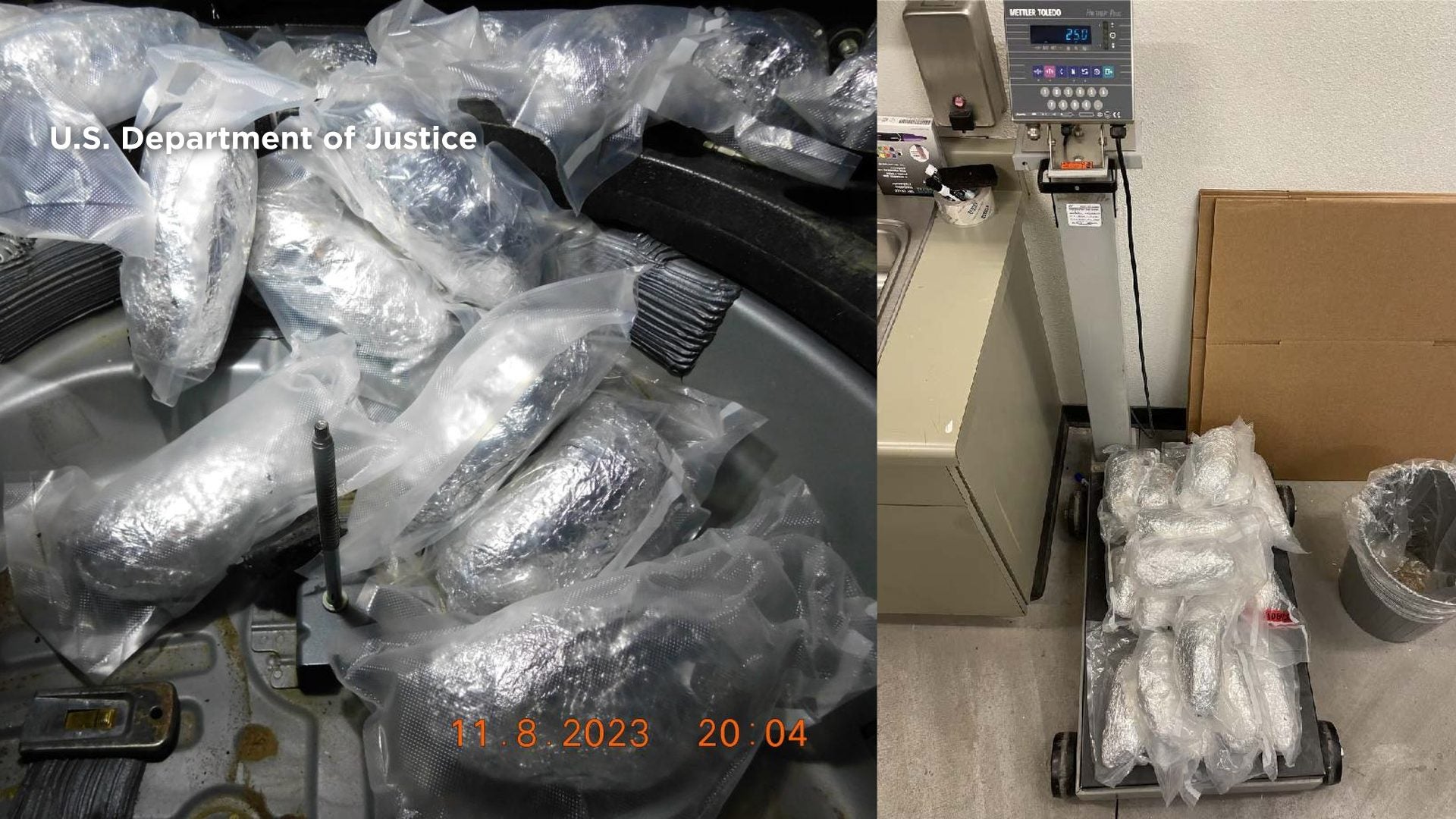
Let’s be crystal clear: this wasn’t an innocent mistake or a momentary lapse in judgment. Inside Saint Louis’s vehicle, investigators later discovered approximately 9.9 kilograms of pure methamphetamine. To put that into perspective, federal drug enforcement agencies estimate a single kilogram of meth can fetch upwards of $10,000 on the street, making the seized haul worth close to $100,000. During interviews, Saint Louis admitted he knew the drugs were there; he’d planned to distribute them, — and his flight? That was a direct response to avoiding arrest for the narcotics. No surprise there.
His plea of guilty to possession with intent to distribute methamphetamine and high-speed flight from an immigration checkpoint finally drew the curtain on a long judicial process. “This sentence sends an unequivocal message: attempts to smuggle dangerous narcotics through our borders, especially when coupled with reckless endangerment of human life, will be met with the full force of federal law,” declared Alexander M. Villegas, U.S. Attorney for the District of New Mexico. “We won’t tolerate it.” And who could argue with that sentiment?
And yet, the broader implications of such incidents stretch far beyond the New Mexico desert. The global drug trade, particularly for synthetics like methamphetamine, spins a tangled, often brutal web of supply chains. While American public discourse often focuses on Latin American cartels, don’t forget the rise of meth production in Afghanistan, for example, bordering Pakistan—a development that’s created new, often shadowy trafficking routes impacting South Asia and the broader Muslim world, a real head-scratcher for geopolitical analysts—and these shifts upend the old opium trails and stoke regional unrest, demonstrating that the drugs found in a trunk on a U.S. highway are often just one link in a much larger, global chain.
“Our agents face damned-if-you-do-damned-if-you-don’t dilemmas daily,” commented Chief Patrol Agent Gloria Chavez of the El Paso Sector. “Fleeing a checkpoint isn’t just about avoiding detection; it’s a direct threat to public safety. Tragically, we saw the devastating outcome here. We’re committed to our mission, but the human cost of this trade, both at our borders and in communities worldwide, is immense.”
Federal sentencing guidelines mean there’s no parole in this system. When Saint Louis eventually leaves prison, prosecutors confirmed he’ll serve an additional five years of supervised release. That’s a sea change from older sentencing practices, designed for continued oversight.
Related: Centuries of Stories at Stake: Lindy’s Diner Closure Ignites Preservation Battle in Albuquerque
What This Means
This case isn’t just about one man’s catastrophic decisions; it’s a stark illustration of the multifaceted challenges dogging border security and national drug policy. Politically, it fuels ongoing debates about resource allocation for Border Patrol, the oomph of checkpoints, and the broader immigration enforcement strategy. Critics of aggressive enforcement often point to the potential for such high-speed chases to endanger the public. But supporters argue that checkpoints are crucial bulwarks against organized crime, and fleeing them, rather than the checkpoint itself, is the source of danger.
Economically, the illicit drug trade continues to heap untold strain on public health — and justice systems. The street value of drugs like meth, let’s be honest, represents just a fraction of the total societal cost—a monstrous, often unseen tab that includes addiction treatment, law enforcement operations, and the human capital lost to incarceration and early death. Diplomatically, incidents like this shout for the need for sustained international cooperation, particularly in combating the shadowy international cartels that source and distribute these dangerous narcotics across continents. The interconnectedness of global drug markets means a local bust often has roots in far-flung regions. So, who’s truly paying the tab for all this?
But, the federal justice system’s unyielding retort signals a bedrock dedication to deterrence. As Dr. Evelyn Reed, a professor of criminal justice at the University of Arizona, noted in a recent policy brief, “While every case has its unique elements of tragedy, the longevity and severity of sentences in federal drug and flight cases are intended to project a clear message: the federal government takes these offenses with the utmost heft. It’s a calculated decision, aiming to deter others from gambling on similar, devastating risks.”