


New Mexico’s Arid Embrace: Weekend Heat Stokes Deeper Concerns in a Warming World
ALBUQUERQUE, N.M. — The desert southwest, a region carved by the sun and scarcity, is bracing for another weekend of relentless heat. But it’s not just about sunbathers and backyard barbecues—it’s...

ALBUQUERQUE, N.M. — The desert southwest, a region carved by the sun and scarcity, is bracing for another weekend of relentless heat. But it’s not just about sunbathers and backyard barbecues—it’s about the deepening creases in the state’s long-term environmental canvas, hinting at vulnerabilities far beyond immediate discomfort. As mercury pushes towards triple digits in spots, the polite bulletins from meteorological services barely scratch the surface of a far more complex narrative unfolding under an increasingly brutal sky.
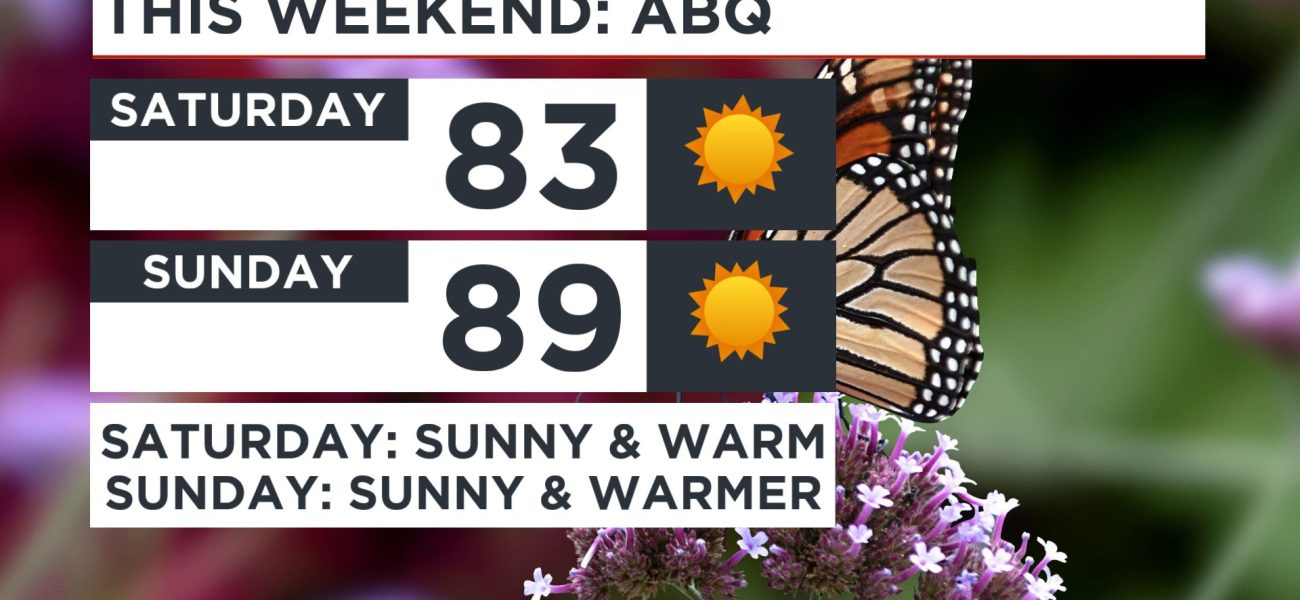
It’s true, Albuquerque will see highs in the upper 80s. Folks down in Carlsbad — and Roswell, well, they’re looking at near 100 degrees by Sunday and Monday. Southeast New Mexico, you get the picture, often plays a more extreme hand. This kind of weather, it’s becoming less an anomaly and more a persistent, unyielding companion to summer here, year after year. The heat isn’t just a talking point for local news; it’s a policy issue, a health crisis waiting in the wings, and a quiet accelerant for regional anxieties over dwindling resources.
“We don’t just watch the thermometers; we watch the reservoir levels, the evapotranspiration rates,” stated Governor Michelle Lujan Grisham (D), her voice edged with the pragmatic concern of someone perpetually juggling competing environmental and economic interests. “Every prolonged heat spell tightens the screws on our water budget. It’s a collective challenge, and we’re continually urging residents to conserve, because it’s not just for a dry spell, it’s for our future.” Her administration, always with one eye on climate initiatives, has certainly seen its share of high-stakes weather dramas.
The U.S. Environmental Protection Agency reports that New Mexico’s average annual temperature has climbed by roughly 2.4 degrees Fahrenheit since the beginning of the 20th century. That’s not a rounding error, folks; that’s a trend, one with palpable consequences for an ecosystem already balanced on a knife’s edge. This slow, simmering rise in baseline temperatures amplifies every warm forecast, turning what once felt like a nice summer day into something that actively strains infrastructure and threatens outdoor labor.
But the story of an arid region under duress isn’t unique to the American Southwest. Look further east—much further, to places like Pakistan, where annual heatwaves are claiming lives and disrupting agricultural cycles with terrifying regularity. Their fight for potable water, their struggles with widespread displacement due to climate stress, it offers a stark, chilling preview of how profound these changes can get. The parallels, though separated by thousands of miles, are impossible to ignore: water stress, heat-related health emergencies, and the specter of reduced crop yields are universal concerns in an increasingly climate-changed world.
Down on the ground, in places like Albuquerque, the focus for most remains immediate: keeping cool, protecting children and the elderly. “It’s a beautiful place, a big draw for tourists, but we can’t take its benevolence for granted,” explained City Councilman Luis Montoya, gesturing expansively during a community event—a rare public comment on an issue usually reserved for hushed policy briefings. “We’ve got to be proactive about heat safety, about making sure our public spaces offer refuge. Because nobody wants to remember a vacation by how badly they got sunburned or worse, you know?” And indeed, they don’t.
Rain, typically a cherished commodity, is predicted to make a cameo next week, offering some hope for respite by Tuesday and Wednesday. Some areas, including around Albuquerque, could even get hammered with some heavy afternoon — and evening showers. But for now, the primary forecast remains this: an enduring embrace with the scorching sun, prompting both sighs of resignation and quiet recalculations in boardrooms and government offices across the state.
What This Means
The relentless pattern of escalating temperatures in New Mexico is far more than a weather report; it’s a grim reminder of deepening environmental pressures that will inevitably ripple through policy and economics. Economically, sustained heat directly impacts agricultural productivity, tourism, and energy consumption—with spikes in demand for air conditioning straining grids. It also places a considerable burden on public health infrastructure, forcing cities to invest more in cooling centers and outreach programs for vulnerable populations.
Politically, the heat exacerbates an already fraught discussion around water rights — and conservation. New Mexico, often called ‘The Land of Enchantment’ for its dramatic landscapes, is increasingly ‘The Land of Limited Water.’ Decisions around water allocation—for farming, industry, or residential use—will become more contentious, fueling local and interstate disputes. The rising temperatures make the state a microcosm of global arid zones grappling with the consequences of anthropogenic climate change. This trend, for instance, reflects the global struggles nations like Germany are facing as they reconcile energy demands with environmental commitments. And without aggressive, foresightful policy interventions, the sunny, warm weekend forecast today will morph into the new normal tomorrow, demanding profound and perhaps uncomfortable societal adjustments.