


Fairway Fantasies: When Idols Meet Reality on the PGA Tour’s Grand Stage
POLICY WIRE — Los Angeles, United States — It’s a strange thing, this adoration. Decades past his heyday, stripped of some of his competitive might, Tiger Woods still holds court. His mere presence...

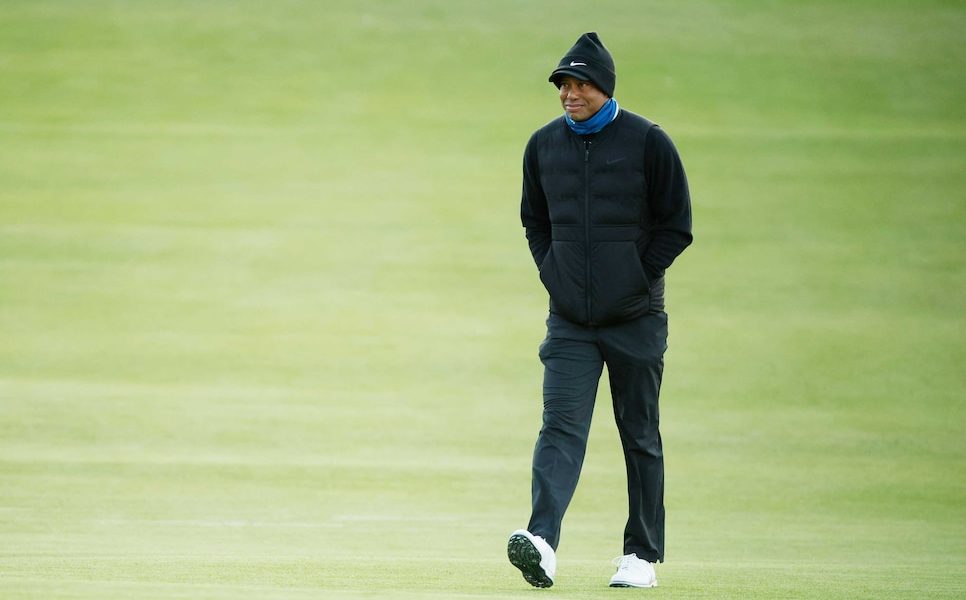
POLICY WIRE — Los Angeles, United States — It’s a strange thing, this adoration. Decades past his heyday, stripped of some of his competitive might, Tiger Woods still holds court. His mere presence at a PGA Tour event sends a tremor through the ecosystem—not just among the throngs in the gallery, but among the very pros vying for his mantle, or at least a slice of his legacy. A scene unfolded recently at the Genesis Invitational that perfectly captured this peculiar dynamic: Aaron Rai, a Wolverhampton-born pro, now a PGA Championship contender, finally managed a chat with his lifelong hero, Woods. It wasn’t the kind of staged, back-slapping affair the PR folks usually arrange, but something grittier, born of a frosty morning and a golfer’s persistent hustle.
Rai, a lad whose parents trace their heritage to India—a significant, and often overlooked, demographic shift happening quietly within global sports—had spent his formative years in England, absorbing every single one of Woods’ early victories from old VHS tapes. He wasn’t alone, of course. Thousands, probably millions, did the same. But few of them ended up on the PGA Tour. And even fewer get to bump elbows with the GOAT on the 11th hole of a professional event. Rai, apparently not one to wait for an engraved invitation, spotted his chance during a practice round for the 2023 Genesis, with conditions decidedly brisk. His decision to brave the pre-dawn chill and literally track Woods down speaks volumes about aspiration, yes, but also about the enduring, almost mythical, aura Tiger still projects. This wasn’t about competitive strategy; it was pure fandom, tinged with the audacious confidence of a peer.
Because Rai wasn’t just some fan waving from the ropes. He’d arrived. Three DP World Tour titles sit on his mantel. Yet, when he saw Woods rip a low fade through the wind with a driver down the middle, that professional veneer seemed to melt a little. He introduced himself to Woods’ long-time aide, Rob McNamara. Then, the moment. “It wasn’t just a quick handshake, you know?” Rai reportedly quipped later, still a bit wide-eyed. “He talked about Rory, JT, even his home garden — and short game area. He made me feel welcome, completely. Like I belonged, not just some kid with an autograph book.” And that, folks, is where the narrative pivots: from hero worship to collegiality, or at least the illusion of it.
This informal meeting—almost a non-event in the grand scheme of the tour schedule—carries more weight than just a heartwarming anecdote. It speaks to the shrewd business acumen that underpins modern golf. Even without consistently contending, Woods remains a marketing behemoth. His presence alone, according to one industry estimate, can boost tournament viewership by as much as 30%. That’s an almost unfathomable figure for a competitor primarily past his prime. And it means interactions like Rai’s, however organic, are ultimately good for the brand. For golf itself.
“These personal stories, the passing of the torch narratives, they’re invaluable,” explained Jay Monahan, PGA Tour Commissioner, who was reportedly among those observing Woods’ pro-am round. “They connect new fans to the sport, demonstrating that even our established pros were once just dreamers. It’s an aspirational engine, isn’t it? Keeps the whole thing rolling.” But it’s not just about ticket sales in California. These narratives resonate further, in places like Birmingham — and Bangalore, Riyadh and Rawalpindi. Rai, with his distinct background and professional climb, embodies a wider demographic shift—one that golf, and indeed global sports at large, can’t afford to ignore.
📄 POLICY WIRE WHITEPAPER PUBLISHED: PAKISTAN'S NATIONAL SECURITY POLICY PRIORITIES
👉 READ BY CLICKING HEREWhat This Means
This seemingly small moment between Aaron Rai and Tiger Woods isn’t merely a feel-good story for sports pages; it offers a microscopic lens into the larger economic and political currents shaping professional sports. On one hand, it’s a masterclass in brand longevity. Woods, through a combination of sustained excellence, curated public image, and sheer charisma, maintains an influence that transcends his physical capabilities on the course. This residual power translates directly into massive endorsement deals and media attention, keeping him a central figure even as younger players emerge. For the PGA Tour, these personal connections are a smart investment, reinforcing a legacy that draws both new talent and new viewership demographics. Because, let’s be honest, sports are an economy unto themselves. They’re about spectacle, yes, but also about aspirational marketing — and brand loyalty. And Rai, with his quiet demeanor and impressive skill, represents something vital: the diversification of golf’s appeal. His heritage, though often a footnote, signals a slow, steady expansion of golf’s demographic reach beyond its traditional strongholds. This is particularly relevant in the context of golf’s aggressive push into markets like the Middle East and South Asia, areas hungry for athletic heroes from familiar backgrounds. It’s not just about finding the next champion; it’s about expanding the global market, plain — and simple. Stories like Rai’s make that journey more relatable, fostering connections that ultimately boost the bottom line in an increasingly interconnected, yet fractured, world. You can’t put a price on that kind of organic engagement—or so they tell us. It’s strategic, almost subtle, but utterly effective. It hints at a future where golf’s superstars come from an ever-broader array of backgrounds, and the fan bases grow accordingly, changing the game’s global power plays in unforeseen ways.