


Mourinho’s Shadow Play: Madrid’s Market Machinations Mirror Global Power Plays
POLICY WIRE — Madrid, Spain — It’s a familiar story, isn’t it? A colossal institution, hungry for bygone glory, reaches back into its past, pulling a charismatic but complicated figure from the...

POLICY WIRE — Madrid, Spain — It’s a familiar story, isn’t it? A colossal institution, hungry for bygone glory, reaches back into its past, pulling a charismatic but complicated figure from the shadows. You see it in sputtering political dynasties, the boardrooms of struggling corporations—and now, predictably, on the verdant fields of Europe’s top football clubs. Jose Mourinho, they say, is circling the Santiago Bernabéu once more. But this isn’t just about another managerial merry-go-round. Oh no. It’s about influence, territorial claims, and a kind of soft power projection that makes a small, strategic acquisition – a player, perhaps – feel like a diplomatic coup.
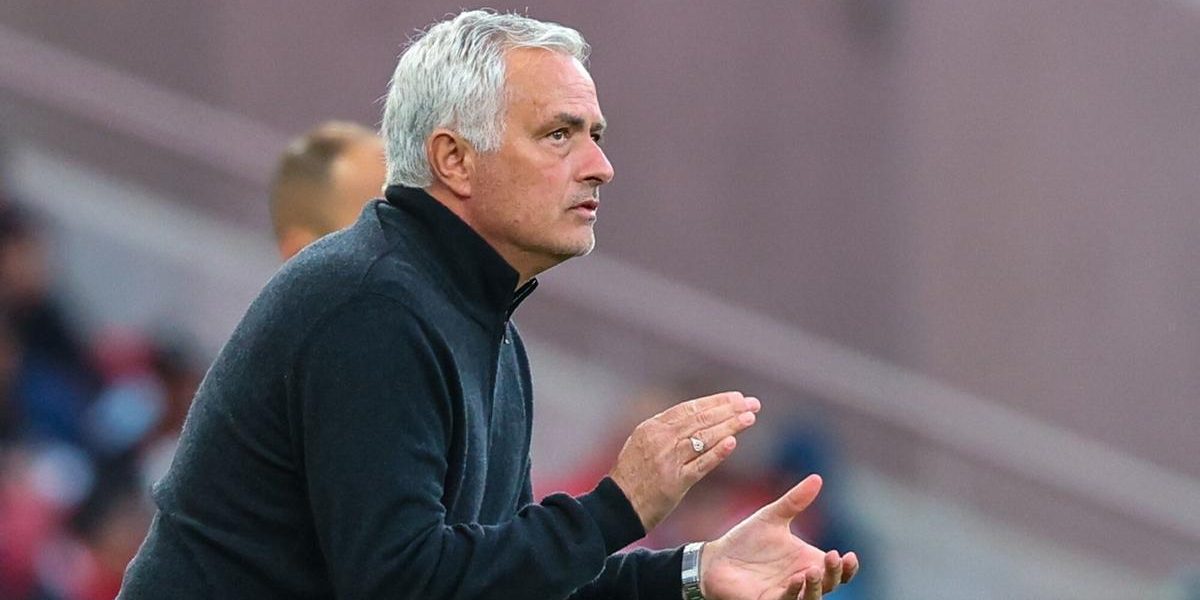
Florentino Perez, if he secures another term in Sunday’s presidential election, will reportedly usher in the return of a certain Portuguese tactician. And here’s the thing: you’d think a man not yet officially in his old office would be focused on packing boxes, maybe even pondering new decor. But no. The ‘Special One’ has, according to insiders, already agreed terms to return to the Bernabeu, marking thirteen years since his first tempestuous stint. And even without the ink fully drying, he has already been involved in transfer planning behind the scenes. Some might call that keen. Others might just say it’s Mourinho being Mourinho, ever the architect of his own universe, for better or worse. [QUOTE_PLACEHOLDER]
It’s not just whispers in the Spanish capital. There are tangible results: Mourinho would have signed off on the now-confirmed deals for Ibrahima Konate and Denzel Dumfries. But those, folks, were just appetizers. What he really wants, what he believes the squad misses, is that indefinable ‘it.’ That elusive edge. He’s after more of the players he wants to give the Real Madrid squad that extra something that has been missed during the last two seasons: experience. That’s where Bernardo Silva, a countryman, slides into the frame. Mourinho, you see, hopes to add this in the shape of his compatriot, Bernardo Silva.
So, the maestro has a plan. Per Diario AS, Mourinho has asked Real Madrid to make a move for the soon-to-be free agent, and in the process, pip rivals Barcelona and Atletico Madrid to secure his signature. A free agent – always a tantalizing prospect in the high-stakes chess game of European football, where transfer fees can often overshadow the value of talent itself. It’s a raid, a surgical strike on a rival’s target. And you’ve gotta wonder: is it about Silva’s specific skills, or the delicious irony of snatching him from under the noses of your most bitter adversaries?
But Silva isn’t the only Portuguese midfielder on Mourinho’s rather extensive shopping list. Rumours swirl that West Ham United’s Matheus Fernandes is also on his radar. But practicality trumps sentiment sometimes, especially when budgets are scrutinized, even at a club like Real Madrid. The Manchester City man would arrive at zero cost, which makes him a much more attainable option for the Real Madrid board. See, they’d previously ruled him out after being offered the chance to sign him by agent Jorge Mendes. Now? Zero cost changes the math entirely. It always does. You’d think after years of astronomical transfer figures, the simple economics of a free transfer would be lauded more often.
And it’s not a rush. Real Madrid isn’t sweating the timeline just yet. They’ve got breathing room. Real Madrid may currently be behind Barcelona and Atleti in the race to sign Silva, but they will have time up catch up. Why the reprieve? Well, the man’s got commitments, apparently. The 31-year-old won’t make a definitive decision on his future after his involvement at the 2026 World Cup comes to an end. So, conversations can – — and likely will – take place. Talks can be arranged with Mendes should it be deemed necessary by the club’s sporting department. It’s a calculated wait, a testament to Real Madrid’s unwavering belief in their own gravitational pull.
📄 POLICY WIRE WHITEPAPER PUBLISHED: PAKISTAN'S NATIONAL SECURITY POLICY PRIORITIES
👉 READ BY CLICKING HEREUltimately, it remains to be seen whether Real Madrid do indeed adhere to Mourinho’s request to sign Silva. It’s a gamble. Always is. But in this cutthroat environment, securing a free agent of Silva’s caliber could offer remarkable tactical flexibility. He’s good; no one’s arguing that. He could be a very good option, given his ability to cover in midfield and also on the right side of attack. That sort of versatility is gold, really. But what’s truly interesting is what this type of move represents beyond the pitch. Because football, believe it or not, has an outsized presence far from Madrid.
And this isn’t just about the money moving through the Iberian Peninsula. Far from it. European football, especially Real Madrid — and Barcelona, commands a truly staggering global following. Consider the numbers: In 2023, UEFA reported that a staggering 300 million unique viewers tuned into the UEFA Champions League final alone. A significant portion of those eyeballs, surprisingly perhaps to some Western audiences, belonged to the football-obsessed populations of South Asia and the Muslim world. Pakistan, for instance, consumes European football with an almost religious fervor. Youngsters there dream of playing for these giants, absorbing the branding, the culture, the victories. The game, at this level, becomes an unofficial ambassador. It’s a soft power mechanism, influencing global youth aspirations and creating economic ripples even in far-flung markets. For Madrid to make a strong showing, to be dominant, that simply amplifies its reach, cementing its iconic status and reinforcing Western cultural influence, however subtle or unintended.
What This Means
This isn’t merely about who plays where; it’s a microcosm of power dynamics at play in globalized economies and political landscapes. Mourinho’s perceived return and his immediate demands illustrate the profound leverage held by influential individuals — think tech moguls dictating company direction or lobbyists shaping legislation. This specific transfer maneuver isn’t just football club trying to gain a sporting edge; it’s Real Madrid, an entity whose global brand awareness is akin to that of major states, flexing its market muscles. The push for an ‘experienced’ free agent like Silva, rather than developing raw talent, speaks volumes about a perceived lack of patience in modern institutions. They want immediate impact, ready-made solutions, much like a nation acquiring seasoned weaponry rather than investing decades in R&D. But this short-term view can have long-term consequences for talent pipelines, fostering an environment where proven commodities are favored over nurturing future potential. It’s a financial gamble that underscores how much elite European football now mirrors a volatile global commodities market, with players as prized, tradeable assets. This echoes the concerns raised by influential economic actors regarding high rates creating economic ‘traps,’ where quick wins are pursued at the expense of sustainable growth. And in regions like South Asia, this fascination with European clubs creates not just an entertainment market but also a tangible aspiration for individuals to engage with global economic opportunities, often through the burgeoning sports media and merchandise industries. The stakes, it’s clear, extend far beyond just ninety minutes on a pitch.