


Global Gridiron’s Hidden Agenda: The Unseen Machinery Behind Today’s Kickoffs
POLICY WIRE — Global Newsroom — Tucked away from the geopolitical headlines, far from the grand pronouncements of summits and state dinners, a quiet battle rages—or perhaps, it’s a meticulously...

POLICY WIRE — Global Newsroom — Tucked away from the geopolitical headlines, far from the grand pronouncements of summits and state dinners, a quiet battle rages—or perhaps, it’s a meticulously orchestrated dance of commerce. It isn’t fought with tanks or tariffs, but with carefully scheduled international friendlies and regional club cup finales, each fixture a microscopic thread in the vast, multi-billion-dollar fabric of global sports entertainment.
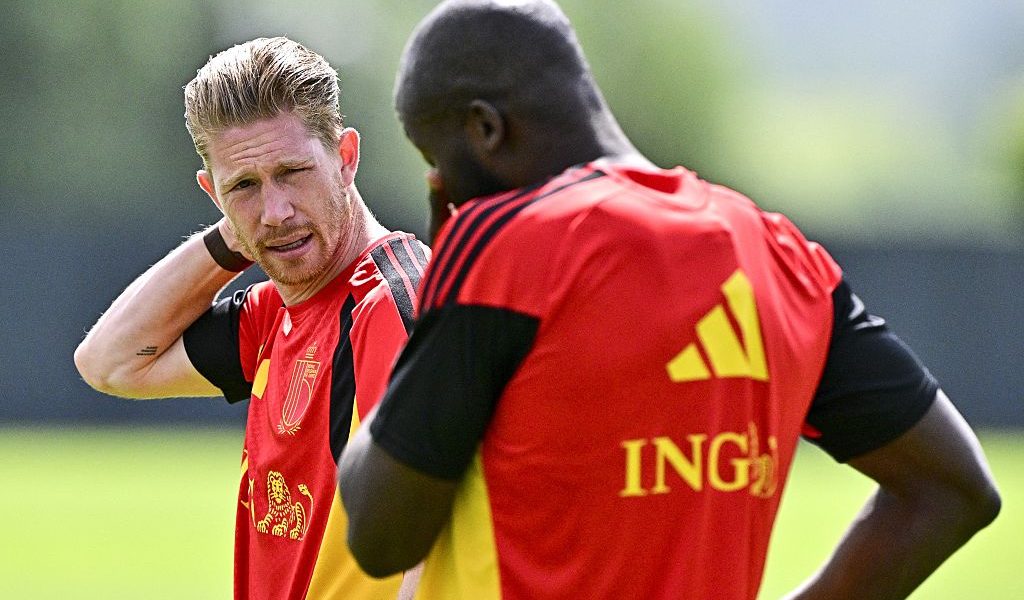
It’s Tuesday, another notch on the calendar. And across disparate time zones, teams will kick a ball around. What the casual viewer sees as pure athletic contest, or simply a pastime, is really a meticulously planned broadcast event, a digital payload designed to capture eyeballs, sell advertising, and, quite frankly, keep the global footballing ecosystem humming. This isn’t just about athletic prowess; it’s about the deep pockets of broadcasters and the relentless appetite of fans. That hunger stretches from the chilly Balkans, where [QUOTE_PLACEHOLDER] Croatia vs. Belgium, to the tropical exuberance of Brazil, poised for [QUOTE_PLACEHOLDER] Copa do Nordeste, Fortaleza vs. Vitória.
You see, even a “friendly” match, like the one featuring Georgia against Romania, carries weight. These aren’t merely glorified scrimmages; they’re opportunities. Opportunities for federations to fine-tune strategies, sure, but more importantly, for marketing teams to extend brand reach. For broadcasters, these slots are vital content fillers, prepped — and packaged for hungry international markets. Think about it: a small European nation playing another might seem obscure to some, but its digital rights get carved up, translated—sometimes quite clunkily, I might add—and shipped across continents, ensuring constant engagement.
It’s a perpetual motion machine, you know? Football never really sleeps. Because if it did, the revenue streams would dry up, — and then where would we be? We’d be in a world without the glitzy new stadiums, without the stratospheric player salaries, without the very foundation of this immense cultural touchstone. Even youth leagues, like Brazil’s [QUOTE_PLACEHOLDER] Brasileirão U-17 Flamengo vs. Fluminense, get a slice of that broadcast pie, nurturing the next generation of global icons and, of course, their future market value. It’s capitalism, pure — and unadulterated, packaged in ninety minutes of spirited play.
This intricate ballet of supply — and demand isn’t lost on the broader global south. In places like Pakistan and across the wider South Asian and Muslim world, where cricket often dominates, the reach of global football is nonetheless immense. Think about the Premier League or La Liga, they’ve captivated millions. Even these seemingly minor fixtures from different continents become points of cultural conversation, fueling discussions in tea houses and living rooms, transcending linguistic barriers. But there’s an economic undercurrent too: a vast, untapped market for merchandise, for dedicated fan groups, for digital content providers trying to snag a piece of that passionate audience. It’s a dynamic that local sports organizations often struggle to compete with, highlighting the significant draw of these international spectacles. For more on how sports influence broader cultural narratives, consider reading about the enduring gravitas that shapes a region’s cricket lore, which similarly demonstrates this pull.
Consider the logistical feat of beaming these images into homes worldwide. The content schedule lists channels like ESPN 4, Disney+, SporTV, — and local outlets such as SBT. Each of these represents an investment—a gamble, really—on viewership numbers. Industry analysts report that global sports media rights, excluding North America, are projected to reach well over 30 billion USD by 2027, according to recent figures compiled by Statista, underpinning the scale of this enterprise. This isn’t just a number; it’s the financial gravity dictating everything from broadcast quality to kick-off times.
📄 POLICY WIRE WHITEPAPER PUBLISHED: PAKISTAN'S NATIONAL SECURITY POLICY PRIORITIES
👉 READ BY CLICKING HEREAnd what about those match-ups that feel almost… exotic? [QUOTE_PLACEHOLDER] Haiti vs. New Zealand might sound like a friendly, and it probably is, but it’s also an invaluable opportunity for both nations to garner international exposure, boost FIFA rankings, and, for smaller economies, potentially attract investment in sports infrastructure. It’s about raising profiles on a world stage, one friendly at a time.
What This Means
What this sprawling Tuesday schedule truly signifies is the continued financialization of a universal passion. It’s a vivid demonstration of how sport has transformed from a mere recreation into a powerful geopolitical and economic tool. On the political front, these matches, even casual ones, serve as informal diplomatic channels. They allow nations to interact, to project an image of stability and normalcy, and sometimes, to test emerging talents who might become future cultural ambassadors. The presence of teams from Haiti or New Zealand on an international stage, for instance, isn’t just about football; it’s a quiet assertion of national identity and global participation.
Economically, the implications are staggering. We’re looking at an industry that doesn’t just create jobs for players and coaches but supports massive ecosystems of media, advertising, travel, merchandising, and technology. Every minute of broadcast time, every online stream, translates into ad impressions — and subscriber revenue. The relentless demand for content means broadcasters are always seeking new events, new narratives to feed their hungry audiences, creating a self-sustaining cycle of production and consumption. For a deeper dive into the raw velocity and grit of professional sports economics, one might explore how a player’s resurgence reflects broader financial lessons in the game. It’s a system that, for all its complexities, seems only to expand, drawing more nations, more leagues, and ever-increasing sums of money into its intricate, profitable web. It’s a global spectacle, but it’s always, always, about the bottom line.