


Asphalt’s Cruel Paradox: New Mexico’s Road to Reckoning Amidst Celebration and Death
POLICY WIRE — ALBUQUERQUE, N.M. — May. They call it Motorcycle Awareness Month. A pleasant, almost poetic notion, isn’t it? A calendar designation for chrome, horsepower, — and open-road...

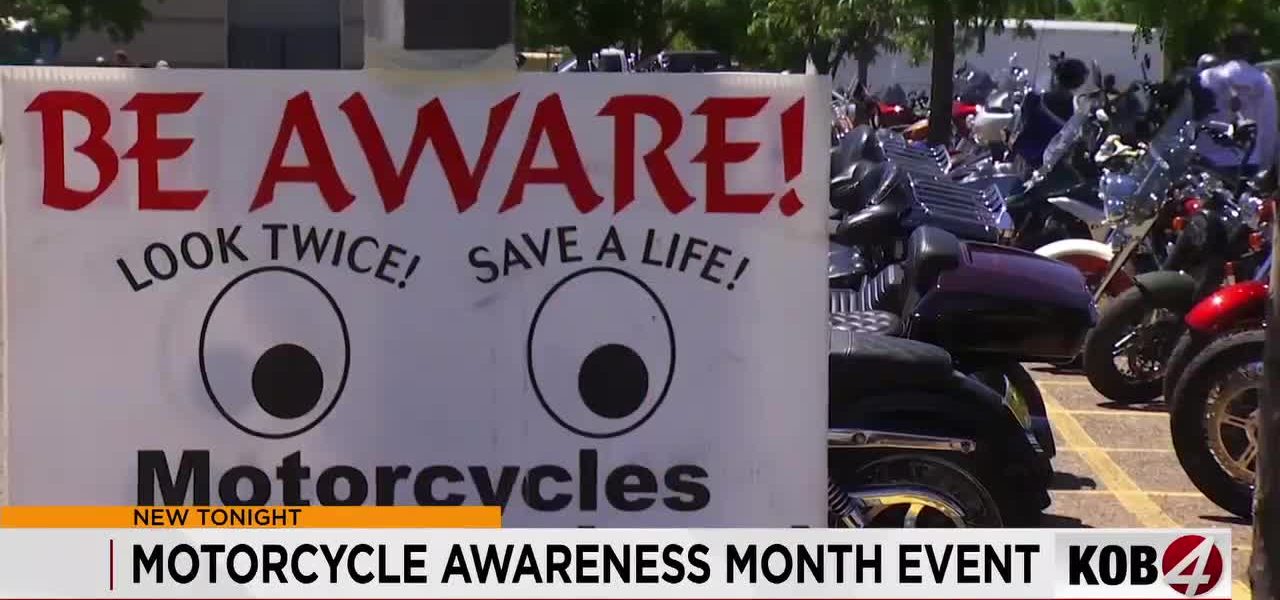
POLICY WIRE — ALBUQUERQUE, N.M. — May. They call it Motorcycle Awareness Month. A pleasant, almost poetic notion, isn’t it? A calendar designation for chrome, horsepower, — and open-road dreams. But in New Mexico, this year, it’s felt less like an awareness campaign — and more like a macabre roll call. A grim, relentless tally that has Albuquerque’s biking community—tough, proud, and often misunderstood—asking: Just what in god’s name is going on?
It was supposed to be a celebratory affair at Thunderbird, a gathering of like-minded enthusiasts, an ode to the rumble of an engine. Instead, a rash of fatal accidents transformed the planned festivities into an impromptu, grief-laden vigil, forcing participants to confront the cold, hard steel of mortality head-on. Folks arrived with heavy hearts, the usual camaraderie tinged with a palpable sense of loss. You could see it in their eyes. They weren’t just showing up for the bikes; they were there to share a communal shudder, an acknowledgment that fate, it seems, had picked too many numbers from their ranks.
Frank “Classic” Montano, the chairman of the New Mexico Motorcyclist Rights Organization, wasn’t mincing words. And why would he? The man’s seen too much. “This past week, it’s just been brutal,” he muttered, his voice hoarse, speaking at the somber event. “We’re left staring at each other like, seriously, what’s happening? This tragedy, it’s just forced us to completely rethink everything, refocus our mission. We’ve gotta scream from the rooftops, reach every single driver out there, every single rider. Your life isn’t just yours, it’s theirs—your family, your buddies. Don’t you dare take that for granted. Ever.” It’s a message that shouldn’t need repeating, yet here we’re.
Because the asphalt doesn’t care about awareness campaigns or good intentions. It demands attention, an almost religious vigilance from everyone who shares its breadth. The organizers made it plain: drivers have a role to play, sure, looking twice, signaling properly, you know the drill. But riders, too, bear some weight, don’t they? Safety isn’t a one-way street, particularly not when a 400-pound machine meets a 4,000-pound SUV. The math isn’t favorable.
State Representative Patricia Roybal Caballero, who represents parts of Albuquerque, often champions local infrastructure improvements—her constituents expect it, obviously. She’s seen these cycles before. “Every spring, it feels like this, a dreadful pattern,” she noted, with a sigh that spoke volumes. “We push for safer roads, clearer signage, educational initiatives. But there’s a cultural component here, a kind of… haste, I guess you’d call it, that seems to permeate our busy lives. You can build all the perfect infrastructure in the world, but if the human element – the driver, the rider – isn’t fully engaged, tragically, the outcomes won’t change. It’s frustrating, honestly.” She gets it. We all should.
New Mexico, like many sun-drenched states attracting new residents, is booming. But with that boom comes added traffic, hurried commutes, and, inevitably, more tragic interactions. Consider this stark figure: in 2022, the National Highway Traffic Safety Administration (NHTSA) reported 43 motorcyclist deaths across New Mexico. That’s not just a statistic; it’s 43 shattered worlds, 43 gaping holes in families — and communities. For context, while conditions aren’t identical, rapidly urbanizing areas in Pakistan, for instance, face similar if not more dire challenges. Growing vehicle populations—two-wheelers especially—often outpace road safety infrastructure and enforcement, leading to an alarmingly high per capita rate of road fatalities, underscoring a shared global plight born of development’s darker side. It’s a reminder that regardless of longitude or cultural nuances, the basics of road safety are universal. And often, universally ignored.
📄 POLICY WIRE WHITEPAPER PUBLISHED: PAKISTAN'S NATIONAL SECURITY POLICY PRIORITIES
👉 READ BY CLICKING HEREThey’ve got music, they’ve got bike showcases, they’ve even got vendors—all the usual trappings of a feel-good event. But under the festive veneer, the bitter taste of recent losses permeates everything. It’s hard to enjoy a custom paint job when you’re thinking about the friend who won’t see another sunset. Life in New Mexico, much like everywhere else, zips by too fast. People get careless. Or maybe they just forget that a momentary lapse of judgment can have devastating, permanent consequences.
What This Means
This localized tragedy in Albuquerque isn’t just about motorcycles. It reflects a deeper policy conundrum facing New Mexico—and countless other states—where rapid population growth and expanding infrastructure strains clash with established behavioral patterns. Economically, these accidents incur significant costs, from emergency services — and medical care to lost productivity. There’s a measurable drain on resources, not to mention the immeasurable toll of grief. Politically, while seemingly small, these spikes in fatalities place pressure on local — and state officials. They’re often compelled to launch new campaigns, revisit zoning for road improvements, and perhaps even face tough questions about police presence and traffic enforcement. But solving it means more than just a fresh coat of paint on a highway; it requires addressing driver education from an earlier age, implementing smart city solutions that integrate traffic flow and safety, and fostering a cultural shift where caution, not speed, is the currency of the road. It’s a systemic problem that requires more than reactive measures; it demands a proactive, coordinated effort from every segment of society. Otherwise, these gatherings, however heartfelt, will remain grim annual traditions.
The pain in the Albuquerque biking community is raw, it’s real. And it’s a harsh reminder that sometimes, even in the midst of ‘awareness,’ the most brutal lessons are etched in the unforgiving language of loss.