

Energy Secretary Chris Wright Declines to Forecast Gas Prices Amid Hormuz Strait Crisis and Blending Rule Changes
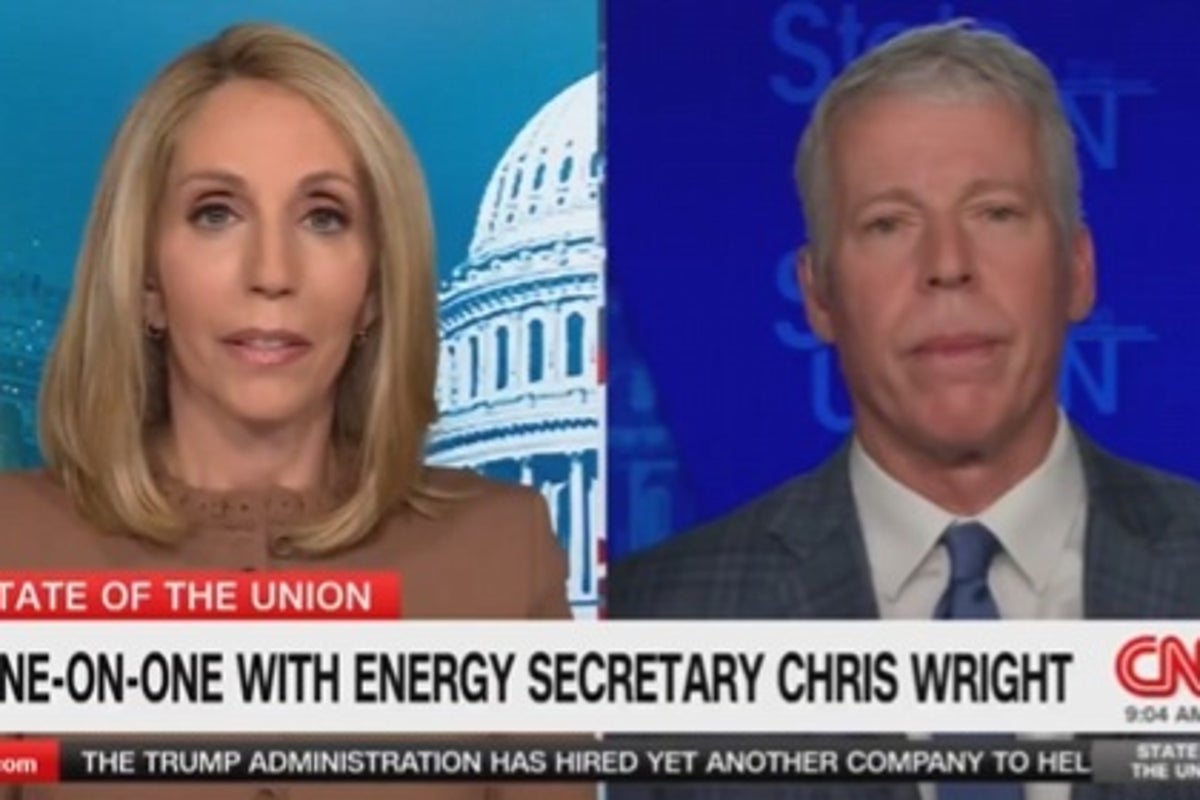
POLICY WIRE — Washington, D.C., United States — Energy Secretary Chris Wright declined to state when U.S. gasoline prices might decline, telling CNN’s Dana Bash on Sunday he “didn’t want to have an...

POLICY WIRE — Washington, D.C., United States — Energy Secretary Chris Wright declined to state when U.S. gasoline prices might decline, telling CNN’s Dana Bash on Sunday he “didn’t want to have an opinion” on whether the national average would remain near $4 per gallon this fall.
He pointed instead to gasoline futures trading two months out, which he said were down more than 30 cents per gallon from current levels, and cited the end of the summer travel season as a factor that could reduce demand and ease prices—particularly in states adopting the administration’s relaxed gasoline blending requirements.
According to AAA, the national average price for regular unleaded stood at $4.147 per gallon. That figure remains more than $1 higher than the average at the start of the year, following the president’s February launch of military action against Iran—a conflict that has drawn growing criticism, including from within the president’s own voter base.
Wright offered no assurance that the root cause of elevated fuel costs—the Iranian seizure and repeated attacks on commercial vessels in the Strait of Hormuz—had abated. When asked whether merchant ships could safely traverse the waterway, he responded that those coordinating with the U.S. Navy would be able to do so, though he acknowledged traffic remains well below pre-conflict volumes.
The Strait of Hormuz handles the majority of the world’s seaborne oil shipments. For weeks, the U.S. Navy has escorted a limited number of tankers along a narrow corridor near Oman’s coast—but many companies continue to refuse coordination, citing unacceptable risk after drone and mine strikes, including several incidents involving vessels traveling under U.S. naval protection.
August marked the deadliest month for commercial shipping crews in the Strait since the conflict began in February, with more than a dozen civilian fatalities reported across attacks on vessels and ports. Wright reiterated the administration’s goal of ending what he called a 47-year conflict, accusing Iran of racing to build nuclear weapons and destabilizing regional economies.
Vice President JD Vance stated this week that U.S. intelligence had uncovered no evidence Iran was rebuilding its nuclear program after American strikes in late February and early March. Independent experts have similarly questioned whether Tehran attempted such reconstitution after last year’s U.S. strikes targeted the same facilities.
Reporting by Policy-Wire (PW)