
Trump Administration Files Third Supreme Court Appeal to Block Mail Ballot Injunction Ahead of November 3 Midterms
POLICY WIRE — New York, United States — The Trump administration filed its third emergency appeal to the U.S. Supreme Court on Sunday, September 6, 2026, urging justices to overturn a federal...

POLICY WIRE — New York, United States — The Trump administration filed its third emergency appeal to the U.S. Supreme Court on Sunday, September 6, 2026, urging justices to overturn a federal injunction that blocks enforcement of its new mail ballot requirements ahead of the November 3 midterm elections.
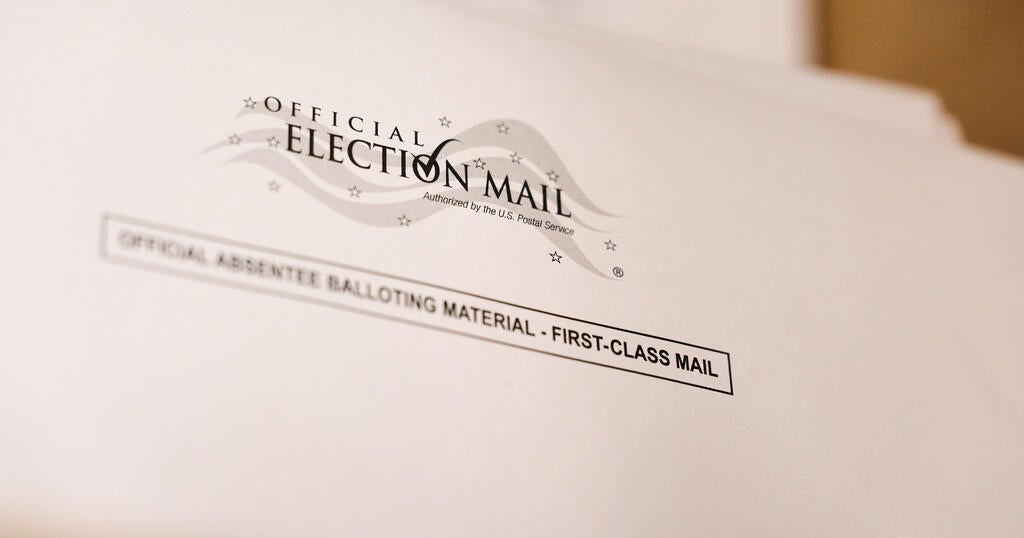
U.S. District Court Judge Indira Talwani extended that injunction just two days earlier, halting implementation of President Trump’s executive order directing the U.S. Postal Service to impose strict new standards for ballot envelopes—including mandatory unique barcodes and online reporting of voter information.
According to Solicitor General John Sauer’s filing, North Carolina has already started mailing ballots, and Alabama will begin doing so on September 9. At least five additional states are scheduled to initiate mailings during the week of September 13. Sauer warned that once ballot envelopes enter the postal system, they cannot be retrieved.
The administration argues the injunction undermines certainty by making compliance with the new rule voluntary rather than mandatory—risking confusion and operational chaos as election deadlines approach. It seeks an immediate administrative stay, followed by a full stay pending Supreme Court review.
Democratic-led states and voting rights organizations contend the rule is unconstitutional and logistically unworkable. Election officials report ballot envelopes have already been ordered and printed, leaving no time to retrofit designs with required barcodes or submit voter data—including names, addresses, and individualized codes—to a new federal online portal.
📄 POLICY WIRE WHITEPAPER PUBLISHED: PAKISTAN’S NATIONAL SECURITY POLICY PRIORITIES
While the Trump administration characterizes the changes as commonsense regulatory measures within its statutory authority over the mail, critics note the president has repeatedly misrepresented mail voting as fraudulent—even though he himself casts his ballot by mail. His false claims about mail balloting undermining the 2020 election remain unsubstantiated.
The Supreme Court has previously permitted the administration’s plan to proceed temporarily but has not ruled on its legality. With control of Congress hanging in the balance this November, the outcome could significantly affect ballot processing—and voter access—for nearly one-third of U.S. voters who rely on mail-in voting.
Reporting by Policy-Wire (PW)