


Albuquerque’s Echoes: When ‘Party’ Becomes a Rain of 200 Bullets and a Life Sentence
POLICY WIRE — Albuquerque, New Mexico — It wasn’t the bang that defined it, or even the immediate shock. No, it was the sheer, audacious volume: nearly 200 rounds, unleashed in a moment of utterly...

POLICY WIRE — Albuquerque, New Mexico — It wasn’t the bang that defined it, or even the immediate shock. No, it was the sheer, audacious volume: nearly 200 rounds, unleashed in a moment of utterly unhinged, juvenile mayhem. A hail of lead — a private, localized war zone—erupted outside an apartment complex back in 2021, and when the smoke cleared, Gabriel Garcia Zimmerman, a sixteen-year-old just trying to live his life, was dead. He wasn’t even the intended target, an inconvenient detail for those wielding the firearms, a soul-crushing tragedy for everyone else.
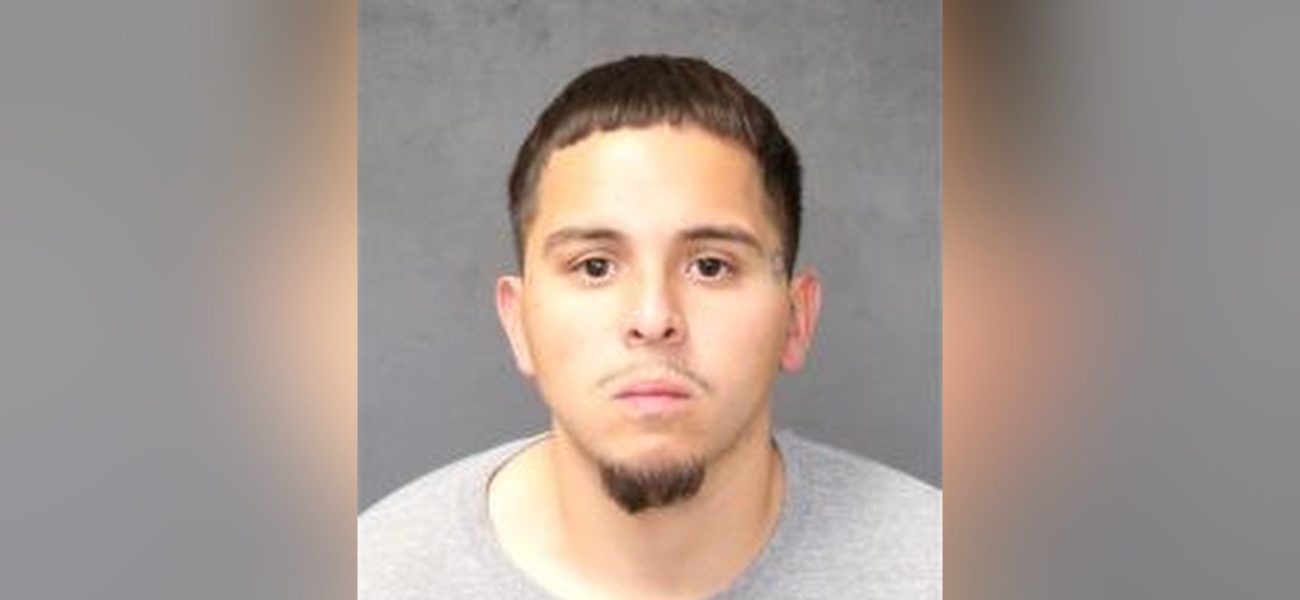
Now, two years later, a gavel’s sharp rap has underscored the grim finality. Elton Gastelum, one of the six teenagers responsible for that bullet-riddled night, has received a judge’s judgment: life in prison, stacked with an additional 17 years. It’s a number that feels both astronomical and woefully inadequate, a bureaucratic acknowledgment of a loss that stretches far beyond simple digits on a court document. How does one even quantify such reckless disregard?
But the real story isn’t just about Gastelum. It’s about a trajectory – a path for six young men, none older than their late teens, who thought a few dozen rounds were the answer to whatever petty grievance boiled over that night. It’s about a city that’s grown accustomed to the grim litany of gun violence, though rarely on this scale or with such devastating, unintended consequences. And it’s a stark mirror held up to a society grappling with the pervasive availability of weaponry and the corrosive anger brewing beneath the surface of seemingly normal communities. Just last year, New Mexico saw a per capita firearm death rate of 27.9 per 100,000 residents, a figure alarmingly higher than the national average, according to data compiled by the Giffords Law Center. These aren’t statistics for ivory tower discussions; they’re the harsh reality bleeding into city streets.
“This sentencing sends an undeniable message,” remarked Assistant District Attorney Elena Rodriguez, her voice firm, unwavering, outside the courthouse. “When you choose to flood our streets with bullets, when you steal a child’s future with such thoughtless violence, the state will respond with the full weight of its justice. There’s no ambiguity here. You reap what you sow, plain and simple.” But that sowing, many observers would contend, often happens long before the first shot is fired, in communities where despair can often feel like a permanent resident.
The tragedy of Gabriel Garcia Zimmerman speaks to a broader, global pattern, too. Whether it’s the sporadic eruptions of gang violence in a struggling Albuquerque neighborhood or the deep-seated grievances fueling unrest in a teeming Karachi district, the consequences of a youth population feeling disenfranchised and empowered by readily accessible tools of violence remain chillingly consistent. These aren’t isolated incidents, disconnected from a global tapestry of human struggle for stability — and basic safety.
Because, really, what’s a ‘house party’ when it becomes a scene out of a forgotten war movie? It forces a question, a gut check, about the environments we’re fostering for our children. And it makes you wonder what kind of desperate calculus led a group of teenagers to believe that nearly 200 bullets were a proportionate response to… whatever it was they were angry about. Was it peer pressure? A warped sense of bravado? Or something far deeper, more insidious, festering in the cracks of societal neglect? Whatever it was, it cost Gabriel his life — and Elton his freedom.
📄 POLICY WIRE WHITEPAPER PUBLISHED: PAKISTAN'S NATIONAL SECURITY POLICY PRIORITIES
👉 READ BY CLICKING HEREThe narrative arc is a familiar, painful one: a young man, often Black or Hispanic, in this case, caught in a cycle of violence that feels inescapable. It’s not a uniquely American phenomenon. In bustling urban centers across South Asia, from Lahore to Dhaka, societal pressures, economic strains, and perceived injustices can, too, funnel young men down similarly destructive paths, albeit with different weapons and motivations. The sheer volume of gunfire in Albuquerque—that chaotic, senseless barrage—has its psychological analogs across continents where communities fight daily for safety.
What This Means
Gastelum’s life sentence—a chilling prognosis for any teenager—marks the justice system’s sternest possible answer to an almost unimaginable outburst of violence. But a simple carceral solution rarely addresses the systemic disease. This isn’t just a matter for district attorneys and prison wardens; it’s a deeply unsettling political and economic quagmire.
Economically, communities blighted by such acts pay a hefty price. Property values crater, businesses flee, — and the city’s ability to attract investment weakens. Trust in public safety erodes, impacting everything from tourism to school attendance. Socially, the ripple effects are catastrophic: families are fractured, younger kids are traumatized, and a generation grows up under the pall of fear and skepticism. What’s the price tag on shattered innocence? How do you rebuild faith in a system that sometimes feels like it only reacts, never truly prevents? Education’s fragile underbelly is exposed when students fear going to school or engaging in social life. We’re talking about tangible, long-term costs that aren’t settled by one judge’s decision.
Politically, incidents like these spark intense, often divisive, debates about gun control, youth programs, and policing strategies. There’s a constant tug-of-war between proponents of ‘tough on crime’ policies and those advocating for investment in community resources—mentoring, job training, mental health services—that might reroute troubled youth before they ever pick up a firearm. And that balance? It’s delicate. It’s always a moving target. And until those deeper societal issues—poverty, lack of opportunity, pervasive anger—are adequately addressed, one fears the Albuquerque apartment complex won’t be the last site to echo with the sounds of unnecessary gunfire and lives tragically curtailed. The quiet despair behind those loud bullets? It’s something we simply aren’t talking about enough.