


Dhaka’s High-Stakes Gamble: Bangladesh Turns East in River Spat, Tests Delhi’s Patience
POLICY WIRE — Dhaka, Bangladesh — The silence from Delhi must be deafening in certain corners of Dhaka right now. For years, diplomatic pleasantries and not-so-subtle pleas crossed the border, all...

POLICY WIRE — Dhaka, Bangladesh — The silence from Delhi must be deafening in certain corners of Dhaka right now. For years, diplomatic pleasantries and not-so-subtle pleas crossed the border, all centered on a drying artery, the Teesta River. But endless talks, it seems, have their expiration dates. Bangladesh, after what many saw as endless bureaucratic limbo, just upped the ante dramatically.
It’s no small thing for a country that has historically leaned on its enormous neighbor. And Prime Minister Tarique Rahman, newly in office since February, wasn’t shy about it. He, and his government, formally asked China earlier this month to help with its Teesta River restoration project, Bangladeshi state media reported. That’s a tectonic plate shifting under the delicate geopolitics of South Asia. It’s an open secret that Beijing, always keen to expand its influence, wouldn’t say no. [QUOTE_PLACEHOLDER]
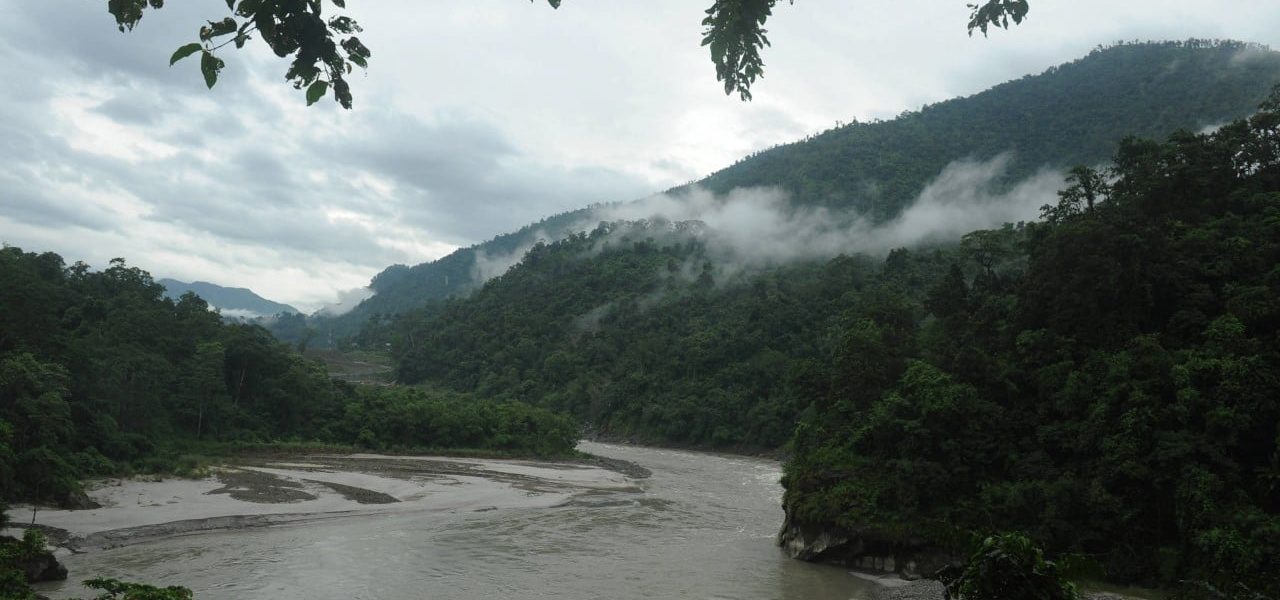
This isn’t some polite request for infrastructure improvements. This is a pointed move, signaling a deep, perhaps irreversible, frustration with India’s perceived foot-dragging. The Teesta, to understand, isn’t just water; it’s life. Every dry season, the Teesta River shrinks a little more – and with it, the livelihoods of millions of Bangladeshis who depend on its waters to survive. For decades, they’ve watched their agricultural land wither, their fisheries falter. But now, it’s less about the river, more about a new dance partner.
Because New Delhi’s reluctance to finalize a water-sharing agreement with Bangladesh on the Teesta has festered for what feels like an eternity. Indian states, particularly West Bengal, have their own needs, their own electorates. And their own water. So the deal stalled, again and again. Meanwhile, the clock ticks for millions of farmers downstream. The irony isn’t lost on observers: Bangladesh, India’s historical ally, pushed to embrace China partly because India couldn’t, or wouldn’t, deliver on a shared resource.
The numbers don’t lie: agriculture forms a substantial chunk of Bangladesh’s economy, employing over 40% of its labor force. Losing a major river like the Teesta impacts food security, rural employment, and, frankly, political stability. So, when China swooped in with an offer—or an acceptance of one—for a reported US$1 billion scheme, it wasn’t just about the money. It was about leverage, about alternative options, and about making a very loud statement without actually uttering the words.
The US$1 billion scheme aims to dredge and rehabilitate more than— well, it’s a huge undertaking, designed to re-invigorate an ailing river. But beyond the engineering, beyond the mud and machines, is a far more complex project: redefining regional allegiances. It’s a classic play from Beijing’s playbook: step in where traditional powers hesitate. Bangladesh, a nation of over 170 million, predominantly Muslim, has long maintained a pragmatic foreign policy. But that pragmatism increasingly means looking beyond traditional patrons.
It’s a lesson Pakistan learned decades ago, cultivating Beijing as a counterbalance to Delhi. And it’s a lesson we’ve seen echoed in various forms across the Muslim world, where smaller states, sometimes feeling squeezed, look for new economic and strategic relationships. Pakistan’s long-standing CPEC projects with China— multi-billion dollar affairs—are the big siblings of Bangladesh’s new Teesta endeavor. Dhaka isn’t looking for a proxy war; it’s looking for clean water — and development. If Delhi won’t provide it, China most certainly will, with strings attached, of course. But that’s a calculus Bangladesh now seems willing to make.
📄 POLICY WIRE WHITEPAPER PUBLISHED: PAKISTAN'S NATIONAL SECURITY POLICY PRIORITIES
👉 READ BY CLICKING HEREAnd let’s be blunt: this isn’t merely about water infrastructure anymore. It’s about China’s deepening presence across the Bay of Bengal, creeping into what India has long considered its sphere of influence. For years, India’s policymakers have grumbled about China’s growing footprint, whether it’s ports in Sri Lanka or power projects in Nepal. Now, it’s a direct challenge in one of its most critical border regions.
But the fallout might extend beyond South Asia itself. This pivot— if it solidifies — could very well ripple through other nations grappling with shared river resources. From the Mekong Delta to the Nile Basin, upstream nations hold immense sway. Bangladesh’s move says this: don’t take us for granted. When vital resources become a geopolitical pawn, countries will seek solutions wherever they find them.
What This Means
This isn’t merely an infrastructure project; it’s a strategic broadside. For India, it represents a considerable loss of face and, more tangibly, a chipping away at its regional hegemony. Delhi’s inaction on the Teesta now means it must contend with China funding and overseeing a major development within its immediate neighborhood. It’s an inconvenient reminder that economic ties and diplomatic leverage can shift swiftly when fundamental needs, like water, aren’t met by traditional allies. The geopolitical implications for the Indian Ocean are stark: increased Chinese economic and soft-power influence directly challenging India’s ‘Act East’ policy.
For Bangladesh, this move is a calculated risk. They’ve signaled independence and resourcefulness but tied themselves to China’s formidable, though often opaque, Belt and Road initiative. This could bring much-needed development and water security but might also embed Bangladesh deeper into Beijing’s economic orbit, potentially at the expense of its balanced foreign policy. UN Water data, for example, indicates that nearly 92 percent of Bangladesh’s freshwater resources originate from upstream sources, largely shared with India. This dependency makes solutions beyond traditional negotiation methods incredibly tempting, but also incredibly risky. Economically, expect more Chinese investment, more debt, — and potentially less bargaining power down the line. It’s a strategic realignment, pure — and simple, and one that future leaders in Dhaka and Delhi won’t easily ignore. Or forget.