

Paradise Claims: Maldivian Diver Dies Rescuing Italians in Deep Underwater Cave Incident
POLICY WIRE — Malé, Maldives — The siren call of the deep ocean, that alluring blue mystery, doesn’t always deliver on its promises of wonder. Sometimes, it demands a terrible price. And for...

POLICY WIRE — Malé, Maldives — The siren call of the deep ocean, that alluring blue mystery, doesn’t always deliver on its promises of wonder. Sometimes, it demands a terrible price. And for five Italian divers, that cost appears to have been everything. But what no one expected was for the ocean to take another soul in the grim effort to retrieve theirs—a Maldivian serviceman, lost in the very depths where the foreigners had presumably succumbed.
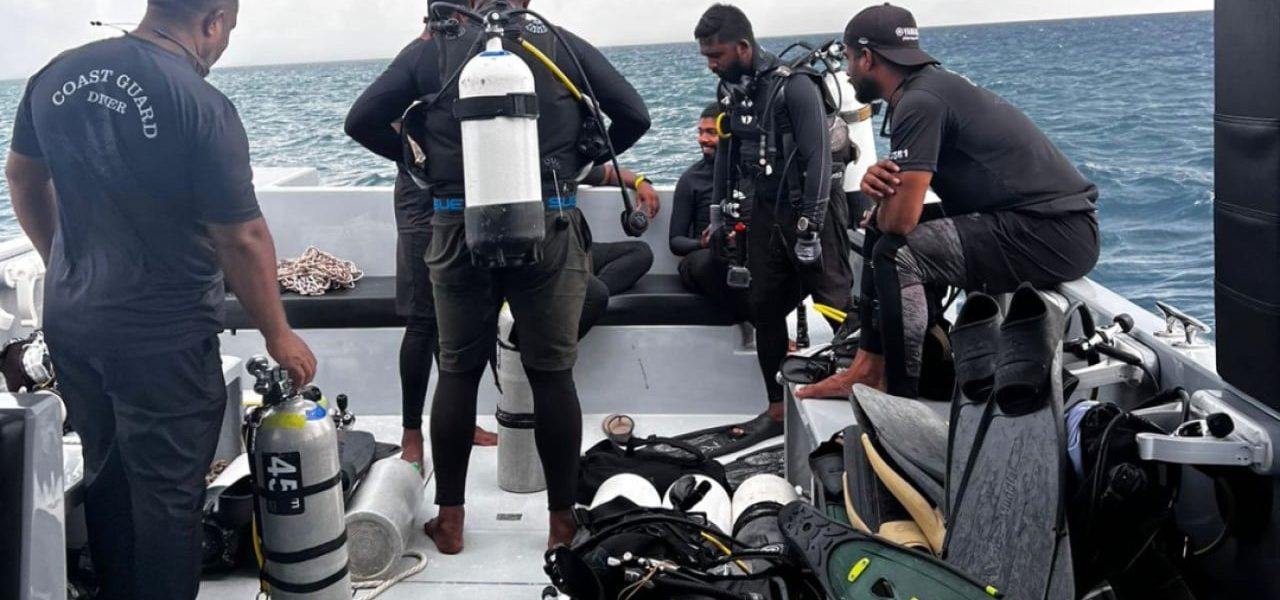
It’s a brutal twist, isn’t it? This serene island nation, globally famed for its pristine waters and luxurious escapes, now grapples with a double tragedy. On Saturday, a Maldivian military diver died while searching for the bodies of four Italian divers believed to be deep inside an underwater cave. One mission to save, another life gone. Mohamed Mahudhee, a member of… —that’s the abbreviated official word, a testament to the hurried, desperate circumstances. [QUOTE_PLACEHOLDER]
The original group, five adventurers from Italy, went missing days earlier. The group of five Italian divers is believed to have died while exploring a cave at a depth of about 50 meters (160 feet) in Vaavu Atoll on Thursday, according to Italy’s Foreign Ministry. Just imagine that—160 feet down, in the darkness, where daylight hardly penetrates. It’s far beyond what’s considered a safe recreational venture here. Because the recreational diving limit in the Maldives is 30 meters (98 feet). They pushed the envelope. Or perhaps they misjudged it completely. This isn’t just an accident; it’s a catastrophic miscalculation. A profound one, impacting not just families back home in Italy, but now a local family too.
Maldives presidential spokesman Mohammed Hussain Shareef said that Mohamed Mahudhee, a member of… But the full context of his statement wasn’t immediately clear from available dispatches. Still, the message is plain: a local hero, a man trained for danger, perished performing his duty for visitors. This isn’t the kind of international relations the tourism-dependent Maldives aims to cultivate, certainly. The archipelago thrives on its image of unspoiled beauty and tranquil luxury, a stark contrast to the grim reality playing out beneath its turquoise waves.
This incident throws a harsh spotlight on deep diving expeditions in popular tourist destinations—especially those where local regulations might sometimes clash with adventurous foreign impulses. What constitutes responsible tourism, after all? And what onus lies on the tourists themselves? This is a question the Maldivian authorities will inevitably face, even as they coordinate with Italy on recovery operations. It isn’t just about technicalities; it’s about reputation, too.
Maldives, as a South Asian Muslim nation, occupies a delicate position in the global tourism market. Its allure often draws visitors seeking escapism, — and incidents like this can threaten that fragile perception. They don’t just deter individuals; they could provoke a closer look at industry standards, training, and the enforcement of safety limits. For nations like Pakistan or Sri Lanka, also keen on bolstering their tourism sectors, the lessons from Malé’s current predicament are uncomfortably clear. One wrong move, one ignored regulation, and paradise can quickly feel lost.
📄 POLICY WIRE WHITEPAPER PUBLISHED: PAKISTAN'S NATIONAL SECURITY POLICY PRIORITIES
👉 READ BY CLICKING HEREAnd it won’t be easy for the local authorities either. Recovering bodies from such depths, especially in an underwater cave system, presents immense technical hurdles. It’s a specialized, extremely hazardous operation, requiring top-tier equipment — and highly skilled divers. We’ve seen just how hazardous; a life already taken, an echo of the initial loss. That one military diver paid the ultimate price tells you everything you need to know about the complexity and danger involved.
What This Means
This tragic episode carries implications that ripple far beyond the immediate grief. Economically, Maldivian tourism authorities face the awkward task of reassuring a jittery international clientele that their pristine shores remain safe, even as news of such severe accidents surfaces. They’ll need to demonstrate robust safety protocols, maybe even reassess how independent deep-sea expeditions are monitored. From a geopolitical standpoint, the incident triggers standard diplomatic protocols with Italy, but it also subtly reminds the world of the human cost associated with exotic adventurism. And because this isn’t the first time tourists have gotten into trouble in a remote locale, expect heightened scrutiny on liability, insurance, and the sometimes-uneasy intersection of eager thrill-seekers and the regulations designed to keep them alive.
The human element, however, cuts deepest. A military diver, a citizen of the very land the Italian tourists came to explore, now joins them in their watery grave. It’s a stark reminder that beneath the polished veneer of brochures and travel influencers, these idyllic locales often hide real dangers and, critically, real people — locals whose lives, families, and sense of community are impacted, irrevocably, by the whims and risks undertaken by others. The pursuit of extreme experience has exacted its own, particularly harsh, justice this time around.