


Daily Casualties: Russia’s Air Campaign Continues to Grind Away at Ukraine’s Resolve
POLICY WIRE — Kyiv, Ukraine — Sometimes, the quiet just before dawn—that precise sliver of dark before the sky hints at gray—is what truly rattles. Not the boom. We’ve become accustomed to the...

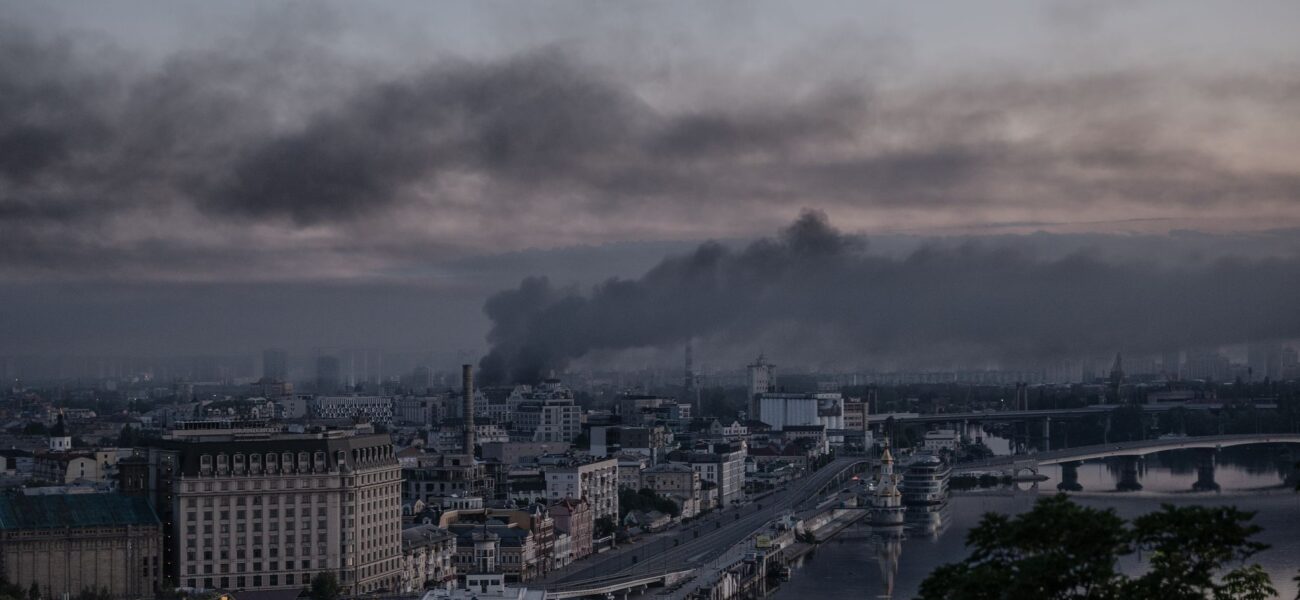
POLICY WIRE — Kyiv, Ukraine — Sometimes, the quiet just before dawn—that precise sliver of dark before the sky hints at gray—is what truly rattles. Not the boom. We’ve become accustomed to the boom, haven’t we? It’s just another part of the background hum, like traffic or a bad neighbor. But those few seconds of eerie calm, anticipating what’s next, well, that’s where the real damage gets done. That’s when folks across Ukraine held their breath again as Russian missiles and drones ripped into the morning, adding another grim tally to an already horrifying count.
Ukrainian authorities confirmed these latest assaults weren’t subtle. Not in the slightest. The precise number stands at at least 8 killed in Russian strikes, a fact that would, in other times, consume headlines for weeks. Now, it’s just another line in the day’s dispatch. Residential buildings, vital energy infrastructure (as has become customary), and other civilian targets reportedly felt the brute force of precision-guided munitions or perhaps just less-than-precise ones. It doesn’t really matter to the families burying their dead, does it?
It’s an ongoing saga, this, one that grinds away at everything: resolve, infrastructure, patience, you name it. The general staff has been rather busy counting these sorts of incidents, providing periodic updates that read like a macabre sports score. But what does a general staff say in the face of such a relentless barrage? Probably something about holding the line, maintaining vigilance. We’ve heard it before. But then, there isn’t much new under the sun in warfare, is there? It’s often the same old song, just with new weapons — and different names on the casualty lists.
The latest strikes hit particularly hard in certain areas, with first responders doing what they always do—sifting through rubble, offering comfort where they can. It’s a grisly dance, a routine tragically honed by years of conflict. Imagine the bureaucracy involved in reporting each blast, each casualty—it’s a system designed to count misery, a sort of institutionalized grief. That’s some legacy for the age. It’s truly a brutal form of normalization, isn’t it?
And let’s be straight, these repeated attacks serve a dual purpose. On one hand, there’s the obvious attempt to cripple the country’s energy grid, plunging homes into darkness as winter approaches, weakening military industrial complexes, perhaps—or so the logic goes from the aggressor’s side. On the other, there’s the psychological warfare, chipping away at public morale, testing the endurance of a population that’s seen far too much already. But history’s a funny thing; sometimes, attempts to break a people just make ’em harder, you know?
Across continents, the reverberations aren’t always immediate or direct, but they’re absolutely there. For nations like Pakistan, navigating a tightrope walk between traditional alliances and pragmatic relationships with rising powers, a prolonged European conflict throws an exceptionally complex wrench into the geopolitical machinery. Escalations in Ukraine aren’t just about Ukraine; they’re about global food supplies, energy prices, and the very concept of international law, which a country like Pakistan relies on, just like every other smaller player. When the rules get murky, everybody suffers. They’re trying to figure out where the next barrel of oil comes from, while dealing with their own domestic issues, and this stuff makes everything pricier.
A recent analysis by the World Food Programme, for instance, indicated that the conflict contributed to an estimated 17% increase in global food prices since its onset. That’s not a small number, and it hits families hardest in places like Karachi and Lahore, where budgets are already razor-thin. This isn’t just European history happening over there; it’s got real-world, hungry-belly implications everywhere.
But when you’ve got leaders like [QUOTE_PLACEHOLDER] suggesting things are going according to plan and other officials reiterating their firm stance, it really paints a picture. And other countries, they just issue condemnations. They say [QUOTE_PLACEHOLDER] which feels a bit hollow sometimes when another missile just landed, doesn’t it? What’s needed often boils down to material aid, continued support, not just strongly-worded statements.
What This Means
This latest spate of Russian air attacks, beyond the tragic human cost, speaks volumes about the Kremlin’s strategic calculus as the conflict enters another grim year. It’s less about swift victory now and more about a protracted war of attrition, aimed at systematically dismantling Ukraine’s capacity to function, both militarily and socially. Economically, these strikes, particularly on energy grids, aim to increase Ukraine’s dependence on Western aid while potentially driving up global energy prices again. That ripples out, of course, making everything from gas to wheat more expensive for average consumers in Jakarta and Islamabad.
The timing of such sustained aggression also often coincides with political moments—a push for new aid packages from Western partners, perhaps, or a perceived shift in international attention. Russia appears to be testing the resolve of Ukraine’s allies, watching for any sign of wavering. A nation like America’s wavering hand, for example, could invite greater escalations. For policymakers in capitals worldwide, it highlights the deeply interconnected nature of global stability. This isn’t a regional spat confined to Eastern Europe; it’s a test of international norms, with repercussions that span trade routes, humanitarian aid, and indeed, the geopolitical leverage of states far removed from the immediate battle lines.
Ultimately, these attacks reinforce a bleak outlook for any near-term resolution. The conflict’s brutal normalization continues, etching deeper scars into the land — and the global order. No quick fixes on offer here, just more grinding days and, regrettably, more reports of lives cut short. A familiar story, but one that somehow never loses its gut-punching impact, even for a cynical old hack.