

Kyiv’s Grim Dawn: Russia’s Merciless Rain of Steel Grinds On, Defiance in its Wake
POLICY WIRE — Kyiv, Ukraine — The scent of burning asphalt hangs heavy in the crisp morning air, an all-too-familiar perfume clinging to the ruins of what were, moments before, homes, workplaces,...

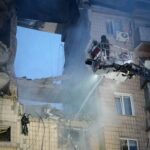
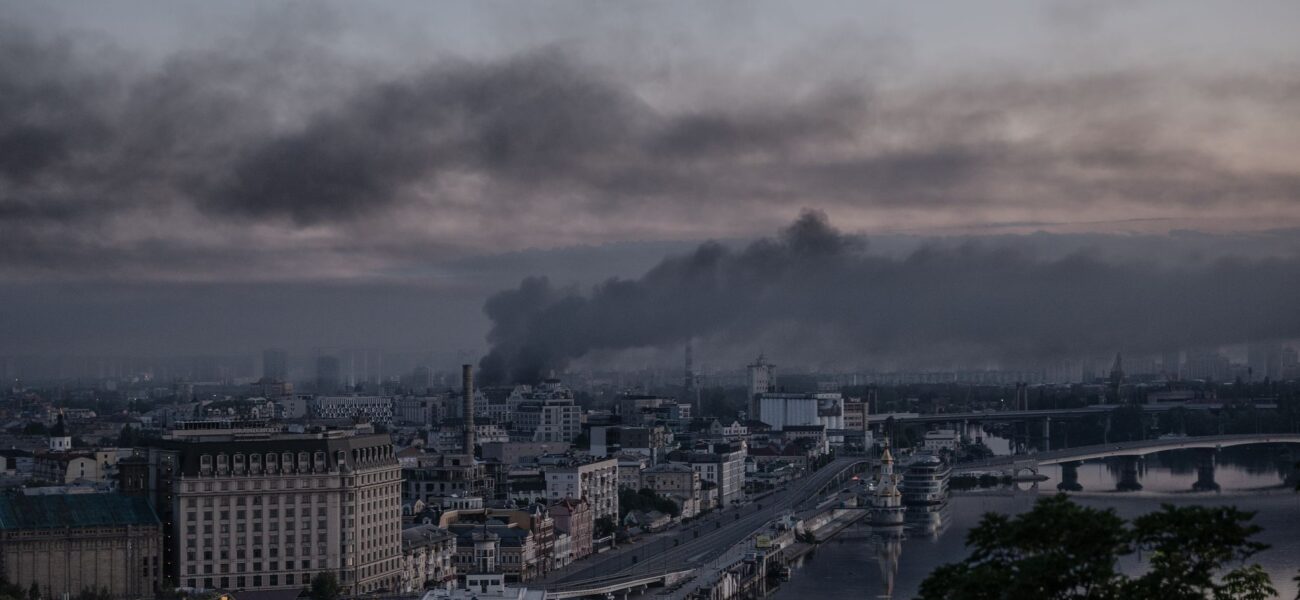
POLICY WIRE — Kyiv, Ukraine — The scent of burning asphalt hangs heavy in the crisp morning air, an all-too-familiar perfume clinging to the ruins of what were, moments before, homes, workplaces, lives. Another tally mark etched onto the long, cruel ledger of conflict; Ukrainian officials are once more cataloging the dead and wounded from a relentless volley of Russian strikes. This isn’t breaking news, not really—it’s the Tuesday (or Wednesday, or Thursday) morning ritual for a nation trapped in an unwinnable, unforgivable war. Eight people, at least, won’t be coming home. That’s the official count. But anyone who’s spent a day covering this understands the number is always a placeholder, an asterisk awaiting grim amendments.
It’s the sheer banality of such violence that truly bites. Not the shock of a single horrific event, but the grinding, ceaseless drone of incoming threats, the sudden blast that rips through a neighborhood, the inevitable sirens—all of it has become an agonizing, destructive rhythm. A stark, brutal normality, if you will. This latest onslaught hammered several regions, leaving devastation in its ugly wake, ripping through residential areas and critical infrastructure. The specifics are grim: shattered glass, mangled metal, the desperate search for survivors amongst the rubble. Imagine living like that, knowing every new dawn could bring an inferno. Most of us can’t.
Ukrainian leadership, hardened by years of this nightmare, didn’t mince words. Oleksiy Danilov, Secretary of the National Security and Defense Council of Ukraine, voiced the weary but unwavering resolve that’s become Ukraine’s grim calling card. “Every missile Russia fires, every life it takes, only strengthens our resolve,” Danilov reportedly stated, his tone likely laced with controlled fury. “They try to break us, but they just show the world their true, barbaric face. The time for deliberation is long past; we need sophisticated air defenses yesterday.” His plea, stark and urgent, wasn’t for sympathy. It was for tangible protection, for the tools to simply exist. And that’s really what it’s come down to.
Across the continent, in the relative quiet of a Brussels briefing, General Christopher Cavoli, NATO’s Supreme Allied Commander Europe, weighed in with predictable—but no less concerning—condemnation. “This isn’t just about Ukraine. These attacks represent a direct challenge to the rules-based international order, a cynical disregard for human life and sovereignty,” Cavoli was quoted saying. “NATO allies are united in their resolve to support Ukraine, bolstering their defenses to counter this systematic campaign of terror.” The words are firm, but the attacks, like this one that claimed at least eight souls, just keep coming. It feels a bit like a cosmic game of whack-a-mole, only with far higher stakes — and exponentially more bloodshed.
But the reverberations aren’t confined to Europe’s doorstep. Oh no. The sheer scale of this war, — and Moscow’s tactics, has sent economic and political shudders across the globe. Take South Asia, for instance. Nations like Pakistan, navigating their own tricky domestic waters and delicate international relationships, watch Kyiv’s grim drama with a close, almost anxious eye. Because when major global grain suppliers like Ukraine—a key source for nations in the Muslim world, often grappling with food insecurity—are hobbled, the cost hits home, literally. Rising commodity prices, exacerbated by such strikes, translate directly into greater hardship, political instability, and deepened mistrust in an already fragile region. It’s a cruel feedback loop, isn’t it?
And let’s not pretend these strikes are random acts of anger. They’re calculated. Russia’s strategic bombings have reportedly damaged more than 50% of Ukraine’s energy infrastructure since October 2022, according to estimates from the Kyiv School of Economics—a deliberate attempt to grind the country into submission by plunging it into cold and darkness. But if two years of bloody conflict has taught us anything, it’s that such brutality usually backfires. It hardens spines; it doesn’t break them. The cost, however, is simply unimaginable for anyone not living it.
What This Means
The geopolitical fallout from Russia’s persistent bombardment of Ukrainian civilian areas is a slow, corrosive burn on the international system. Each strike isn’t just a physical hit; it’s a political test of Western resolve and an increasingly loud siren call to non-aligned nations. For NATO, it solidifies the argument for sustained military aid and continued sanctions, despite domestic political squabbles and the sheer bureaucratic inertia. Economically, these strikes, particularly on energy and export infrastructure, ensure that global inflation, especially concerning food and fuel, remains stubbornly elevated. That affects everyone, from a household in London to a small vendor in Lahore. It keeps central banks in a constant state of panic. Domestically in Russia, the strikes project an image of strength to a population fed a steady diet of state propaganda, reinforcing a narrative of unwavering purpose—even as the true costs mount in personnel and materiel. But ultimately, for Ukraine, it means more coffins, more displaced families, and an even deeper trench of trauma to climb out of whenever this all eventually ends. It’s a stark reminder that some conflicts don’t resolve neatly; they simply fester, spilling misery and uncertainty far beyond their borders.
The casualty count, always preliminary, speaks to a larger truth: the human capacity for suffering is vast, but so, too, is the human capacity for stubborn, unyielding defiance. That’s what keeps them going, day after painful day. A nation carved out of ashes, fighting for a future that seems forever shrouded in smoke — and sorrow. We can only watch, report, — and pray it someday ceases.